Smoother Hits, Cleaner Glass: Shop Top Bong Cleaners & Tools!
Want smoother hits and a bong that looks brand new? Keeping your piece clean is essential for the best smoking experience! Explore our range of solutions, from powerful liquid cleaners that dissolve tough resin and grime for a deep clean, to eco-friendly options gentle on the planet. We also have pipe cleaners and pads for quick maintenance and hard-to-reach spots. Regular cleaning with the right products maintains optimal performance, ensuring fresh flavour and smooth hits every time. And remember, we offer free shipping everywhere in Canada on orders over $49! Browse our selection and find the best bong cleaners to effortlessly enhance your sessions.
Bongs & Water Pipes | Glass Bongs | Silicone Bongs | Bubblers | Bong Bowls | Bong Stems | Ash Catchers
Smoother Hits, Cleaner Glass: Shop Top Bong Cleaners & Tools!
Want smoother hits and a bong that looks brand new? Keeping your piece clean is essential for the best smoking experience! Explore our range of solutions, from powerful liquid cleaners that dissolve tough resin and grime for a deep clean, to eco-friendly options gentle on the planet. We also have pipe cleaners and pads for quick maintenance and hard-to-reach spots. Regular cleaning with the right products maintains optimal performance, ensuring fresh flavour and smooth hits every time. And remember, we offer free shipping everywhere in Canada on orders over $49! Browse our selection and find the best bong cleaners to effortlessly enhance your sessions.
Bongs & Water Pipes | Glass Bongs | Silicone Bongs | Bubblers | Bong Bowls | Bong Stems | Ash Catchers
 Up to 40% off
-
50% off
-
-
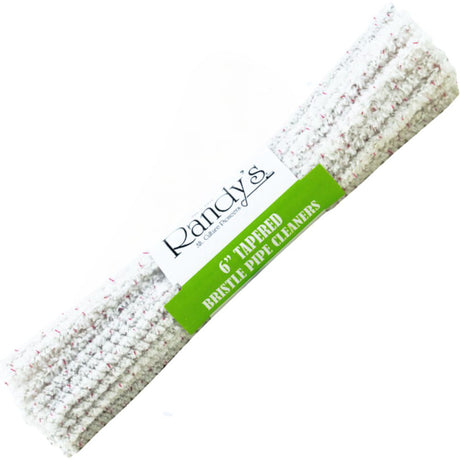
![6 Tapered Bristle Pipe Cleaner, shown in a bundle with a green label, featuring heavy-duty bristle wire for effective cleaning.]()
-
-
-
-
-
-
-
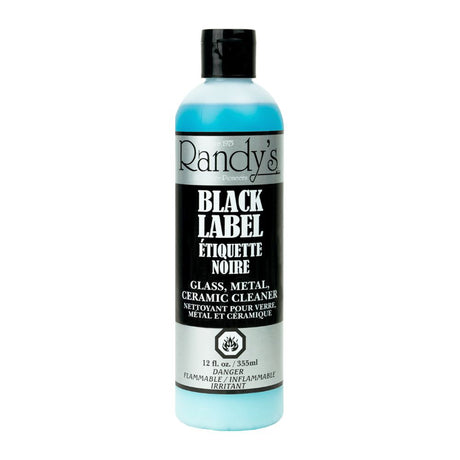
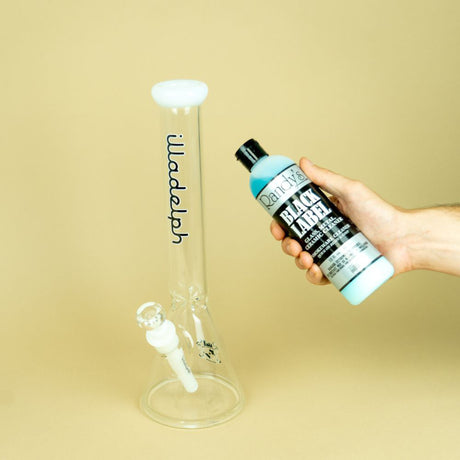
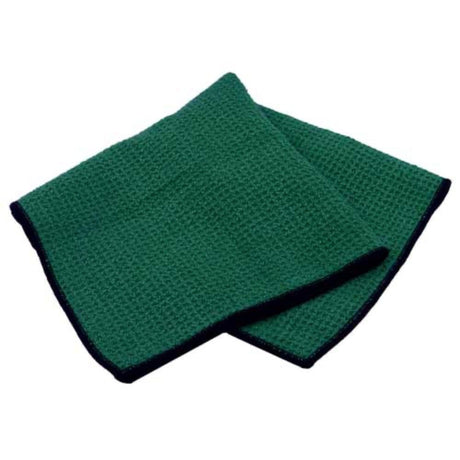
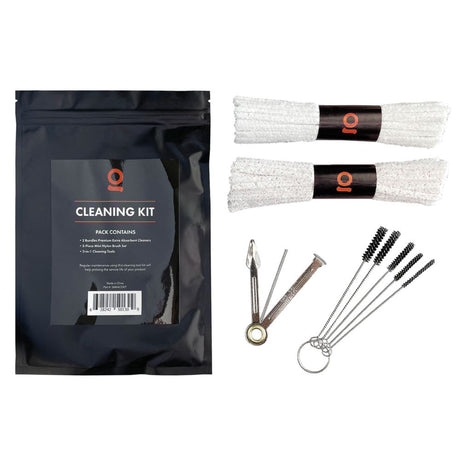
YOUR GLASS DESERVES BETTER BONG CLEANERS THAN RUBBING ALCOHOL AND SALT
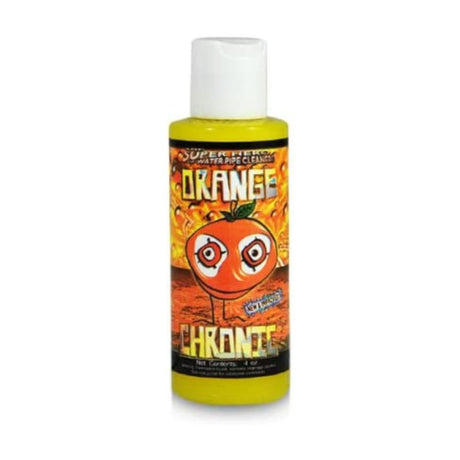
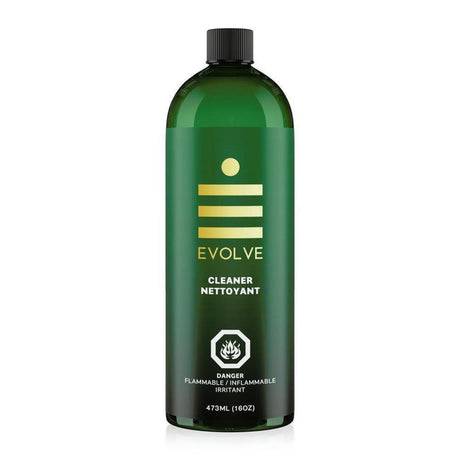
Shaking iso and coarse salt through your piece works in a pinch, but it leaves a film, doesn't reach downstem percs, and you're basically starting over every few days. Smoke & Vape carries liquid cleaners from Randy's, Orange Chronic, and Ooze alongside brushes, swabs, and end caps from brands like ONGROK and Evolve, so you can match the cleaning method to the problem instead of forcing one hack on every piece you own. That's the real decision here: a liquid soak dissolves resin buildup inside chambers and percolators where no brush fits, while bristle pipe cleaners and cotton swabs handle bowls, joints, and bangers where you need direct contact. Buying both isn't overkill, it's the difference between a piece that tastes clean and one that just looks clean.
| Product | Best For | Why We'd Recommend It | One Thing to Know |
|---|---|---|---|
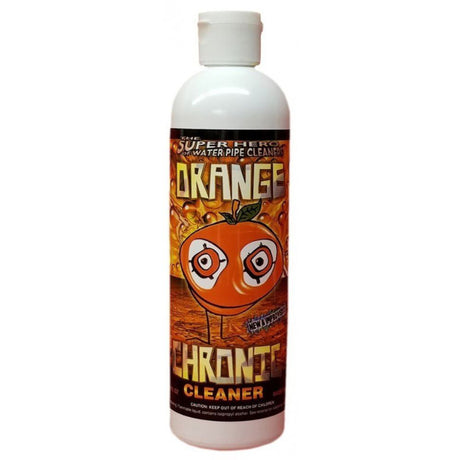
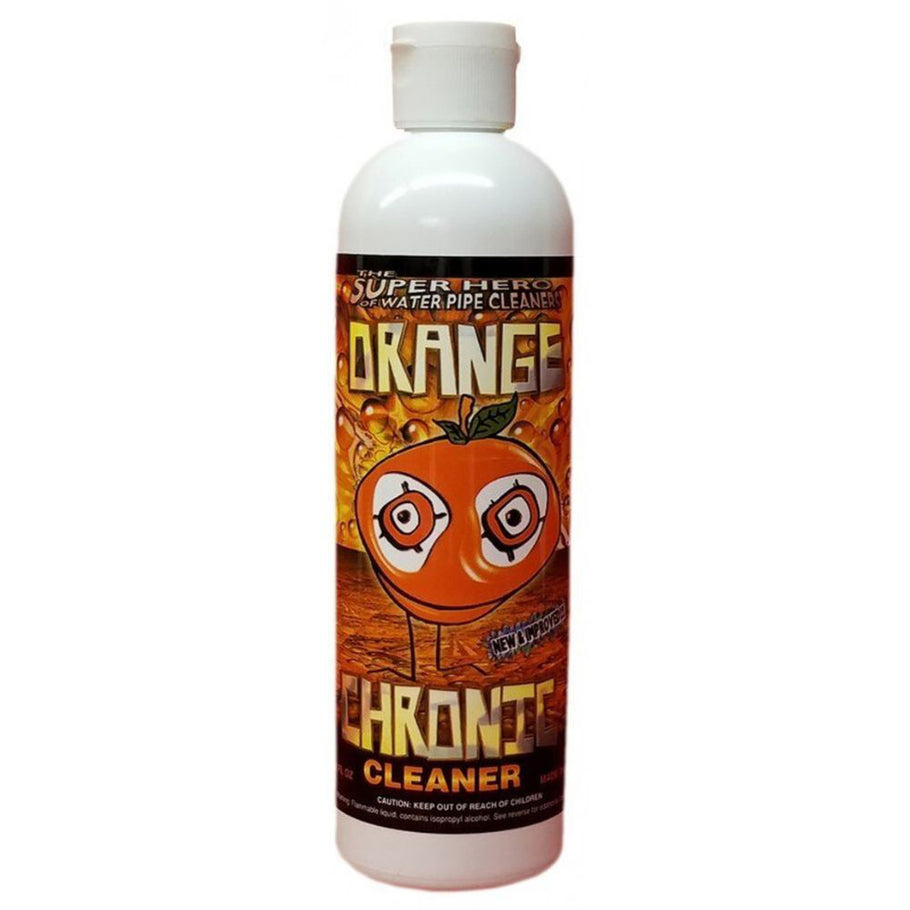 Orange Chronic 16oz Bong Cleaner |
Someone who wants to shake, rinse, and see clean glass without scrubbing | No-scrub liquid formula dissolves resin and grime on contact, so you're not standing at the sink with a brush. | Sold in multi-unit packs (12 bottles), so you're buying in bulk rather than grabbing a single bottle. |
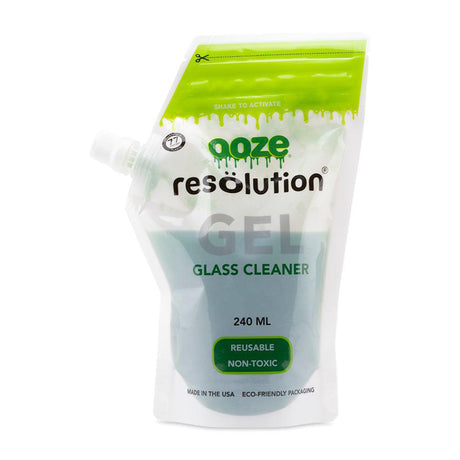
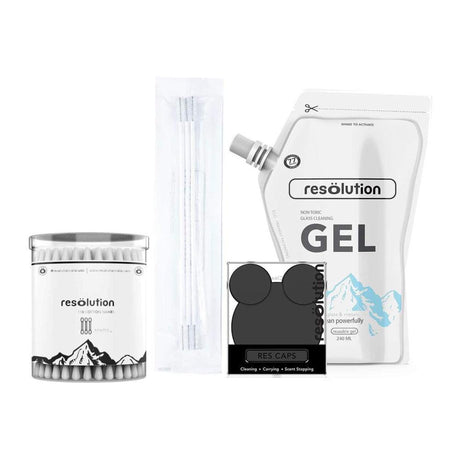
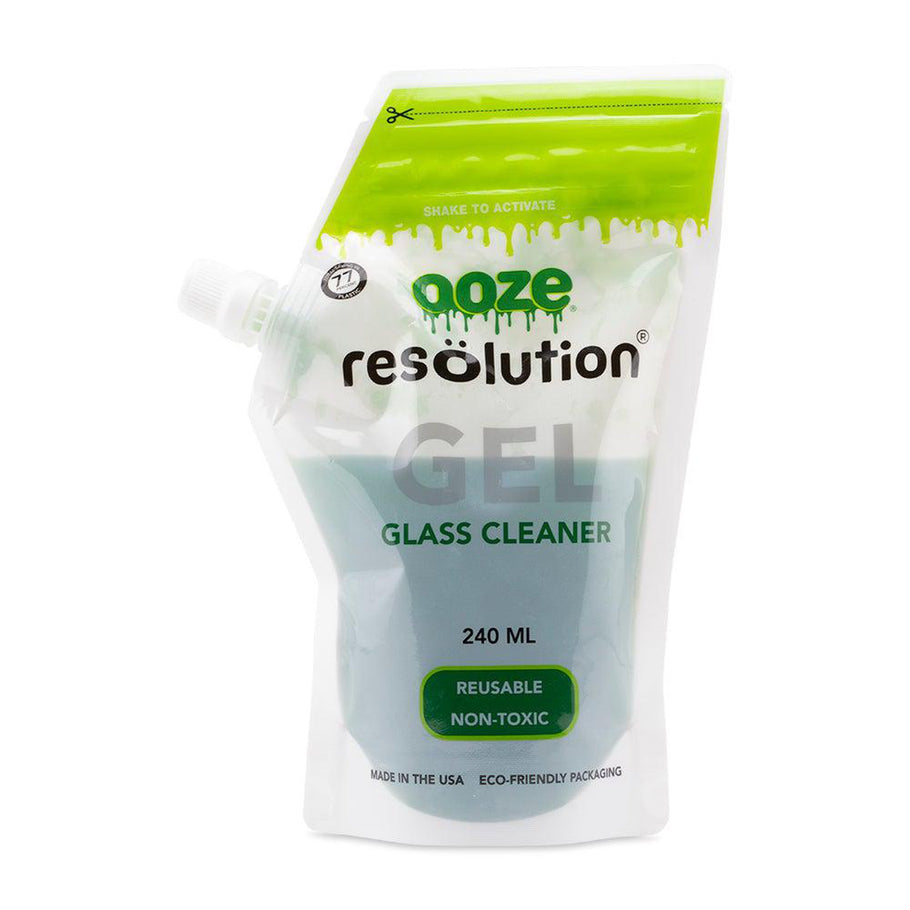 Ooze Resolution Gel Glass Cleaner (240 ml) |
Someone who wants a non-toxic, eco-friendly cleaner that won't stink up the bathroom | Gel formula clings to glass walls instead of running straight through, giving it more contact time on stubborn buildup. | 240 ml is a smaller volume than the Orange Chronic bottles, so you'll go through it faster on larger pieces. |
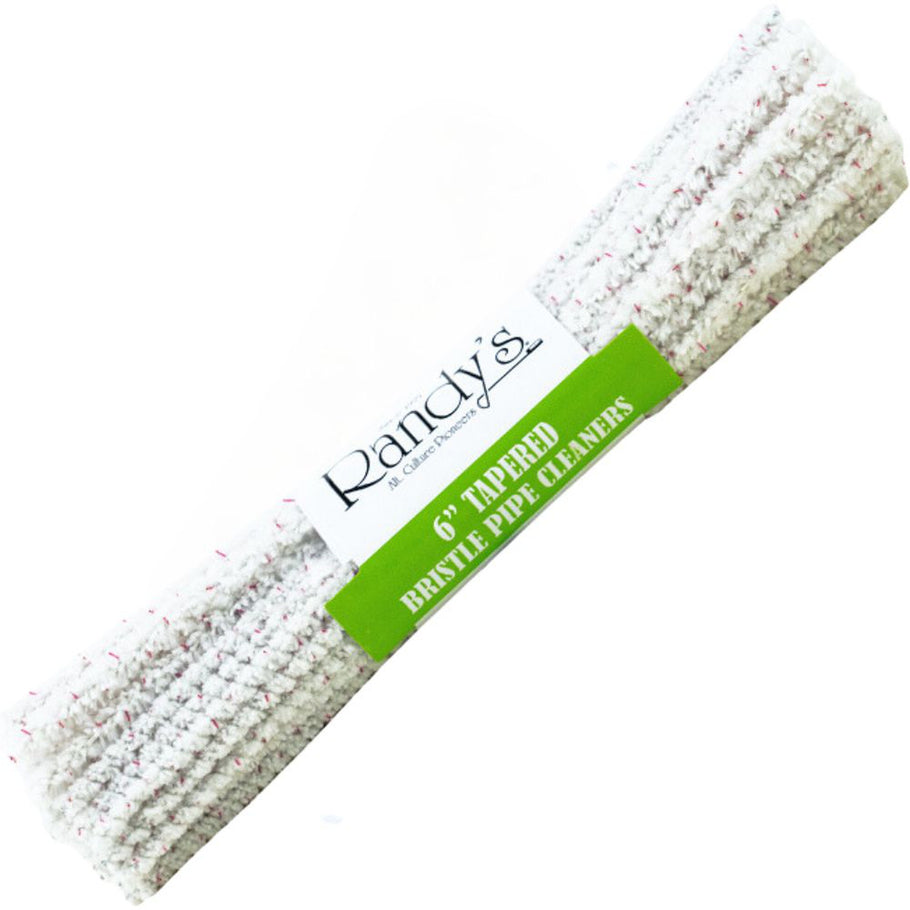 Randy's 6" Tapered Bristle Pipe Cleaner |
Quick touch-ups on bowls, downstems, and joints between deep cleans | Bristle wire and tapered cotton tip get into narrow openings that liquid alone can't scrub. | They're single use for the most part; you'll burn through them regularly if you're cleaning often. |
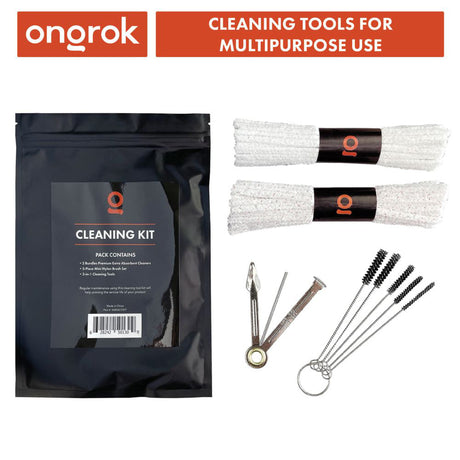
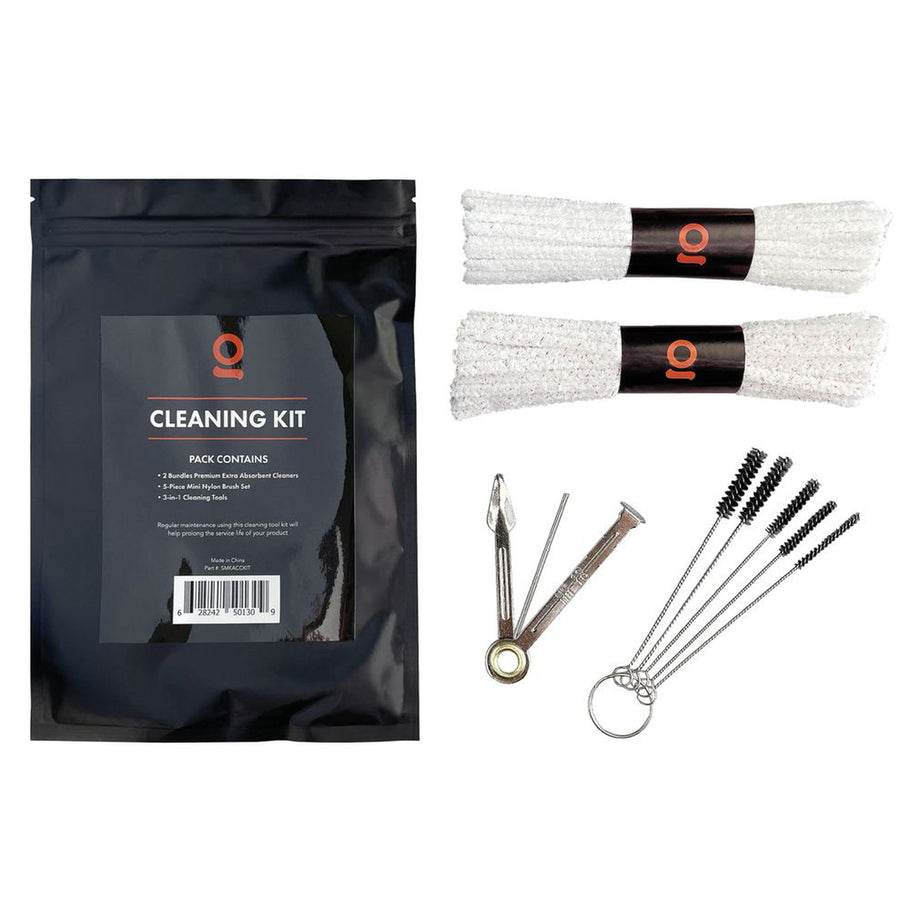 ONGROK Mini Accessory Cleaning Brush Set |
Someone who wants multiple brush sizes in one kit instead of buying pieces separately | Nylon brushes and cotton pipe cleaners in a carry bag cover different diameters so you're not forcing one tool into every opening. | It's a brush kit only, no cleaning solution included, so you'll still need a liquid cleaner alongside it. |
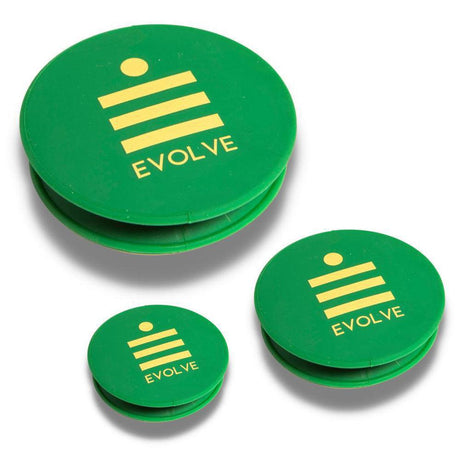
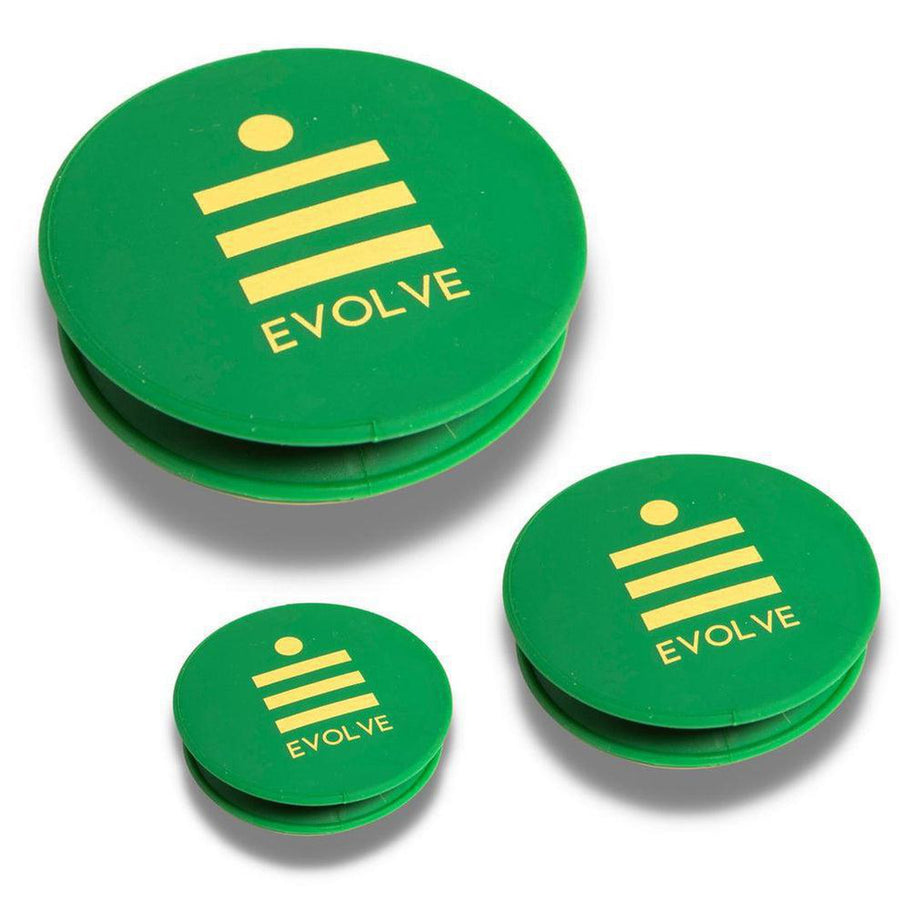 Evolve Bong End Caps (3 units) |
Anyone tired of plugging openings with their fingers while shaking cleaner through a piece | Silicone caps seal your mouthpiece and joint so you can shake without spilling solution all over your hands and counter. | Set of three caps, so if your piece has more than three openings you may need a second set. |
Liquid cleaner or brushes isn't really an either/or decision, but if you're only buying one thing today, start with how your piece gets dirty. Resin coating the inside of a chamber or percolator? That's a liquid job, and the Orange Chronic handles it without scrubbing while the Ooze Gel works better for smaller pieces where you want the formula to sit and cling. If your problem is caked residue in a bowl or downstem where you need direct contact, the ONGROK brush set or Randy's pipe cleaners do what no amount of shaking will. Grab the Evolve End Caps if you're done mopping cleaner off your countertop every time you shake a bong.
How Bong Cleaners Actually Work and Why the Differences Matter
Most people grab whatever cleaner is cheapest and shake it around until the glass looks less brown. But the formula type, the viscosity, and even what you're wiping with afterward all change how clean your piece actually gets, and how long it stays that way. Here's what we've learned from selling and testing these products at Smoke & Vape.
Why Liquid Viscosity Determines How Well a Cleaner Reaches Your Resin
A thin, watery cleaner flows fast. That's fine for straight tubes and beakers where the liquid can splash freely against every surface. But inside a piece with tree percs, honeycomb discs, or recycler arms, thin liquid runs right past the resin instead of sitting on it long enough to dissolve it. A gel formula like the Ooze Resolution Gel Glass Cleaner (240 ml) clings to vertical glass walls and stays put, which gives it more contact time on the buildup that actually matters. Most people assume thicker means stronger, but it's really about dwell time: the longer a solvent sits on resin, the less scrubbing you need. If your piece has any internal complexity, viscosity matters more than the strength printed on the label.
What Resin Actually Is and Why It Resists Water
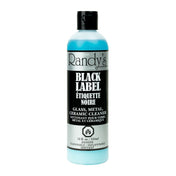
That sticky brown film isn't just ash. Resin is a mix of tar, plant oils, and combustion byproducts that bond to glass through a process similar to how grease coats a pan. Water alone won't break those bonds because resin is hydrophobic, meaning it repels water at a molecular level. That's why rinsing your bong under the tap does almost nothing. You need a solvent (like the ones in Orange Chronic or Randy's Black Label) that breaks the oil bonds so the resin lifts off the glass instead of just getting wet on top. Once you understand that resin is oil based, it makes sense why soap and water fail and why purpose built cleaners work in seconds.
How Bristle Material Changes What a Pipe Cleaner Can Do
Not all pipe cleaners are just fuzzy wire. A cotton tipped cleaner absorbs liquid and wipes soft residue, which works for fresh buildup in a bowl or joint. A bristle wire cleaner, like Randy's 6" Tapered Bristle Pipe Cleaner, physically scrapes caked residue that cotton alone would just slide over. The bristles dig into hardened resin the same way a dish brush works on baked food, through abrasion rather than absorption. Most people grab whichever pipe cleaner they see first, but if your downstem has dark rings that don't budge with a soak, you need bristles, not cotton.
Why Drying Your Piece After Cleaning Changes How Fast It Gets Dirty Again
Here's something almost nobody thinks about: a wet bong collects resin faster than a dry one. Water droplets left on interior glass walls act as traps for smoke particles, giving resin a foothold to start building up again within a session or two. Drying your piece after a clean (even just shaking out excess water and letting it air dry fully) slows that cycle down. The Evolve Cleaning Towel is built for wiping down exteriors and joint surfaces without scratching, but the interior drying habit is what really extends the time between deep cleans. We tell customers at Smoke & Vape that a five minute dry after every wash saves you from cleaning twice as often.
Why Sealing Your Openings Matters More Than How Hard You Shake
Most people think aggressive shaking gets glass cleaner. What actually matters is that the liquid stays in full contact with the dirty surfaces long enough to work, and that means no leaking. Every time solution drips out of an unsealed mouthpiece or joint, you're losing contact time and making a mess that discourages you from cleaning at all. The Evolve Bong End Caps (3 units) are silicone plugs that seal standard openings so you can invert and rotate your piece slowly instead of shaking like you're mixing a cocktail. Gentle, sealed agitation keeps the cleaner moving across every interior surface, while violent open shaking just sends half the solution down your drain.
Frequently Asked Questions
Are bong cleaning solutions safe to use on pieces with decals or painted designs?
It depends on the cleaner and how the design was applied. Most purpose-made bong cleaners use solvents strong enough to dissolve resin, and those same solvents can lift decals, fade painted designs, or cloud surface coatings if they sit on those areas too long. This is especially true for pieces with designs that were applied after the glass was made, like adhesive decals, screen-printed labels, or painted exteriors that weren't kiln-fired into the glass itself.
Designs that are fused into the glass, like sandblasted patterns or worked glass where colour is part of the material, are generally safe. The solvent has nothing to grab onto because the design isn't a separate layer sitting on top of the glass. If you're not sure how your piece was decorated, the safest test is to apply a small amount of cleaner to an inconspicuous area and check after a minute or two before committing to a full soak.
If you have a piece you're not willing to risk, a gel formula like the Ooze Resolution Gel Glass Cleaner (240 ml) gives you more control than a liquid that flows everywhere. You can apply it to interior surfaces and keep it away from decorated exteriors entirely, which isn't really possible with a liquid you're shaking around inside. For the exterior, a damp Evolve Cleaning Towel wipes down the outside without exposing any decals to solvent at all. The honest answer is that most decals and painted designs aren't built to survive repeated cleaning cycles regardless of what you use, so if the design matters to you, keep the cleaner on the inside and handle the outside gently.
Are bong cleaners safe to use on silicone pieces?
Most liquid bong cleaners are fine on silicone, but there are a few things worth checking before you pour and shake. Silicone itself is chemically resistant to most solvents, which is actually one of the reasons silicone bongs are so popular: they don't absorb odours or residue the way some materials do, and they can handle cleaning solutions that would be too aggressive for certain coatings or adhesives. The Orange Chronic formula, for example, is safe for silicone as well as glass, so you can use the same cleaner across multiple pieces without worrying.
Where people sometimes run into trouble is with silicone pieces that have glass components, like a glass downstem or bowl. The silicone body is fine, but if any part of the joint connection uses an adhesive or a rubber gasket that isn't rated for solvent exposure, repeated soaking could degrade it over time. It's worth rinsing those connection points thoroughly after cleaning and not letting cleaner pool there longer than necessary.
One practical advantage of cleaning silicone is that you don't need to be as careful about agitation. You can squeeze and flex the body while the cleaner is inside, which helps dislodge resin from folds or textured surfaces that a liquid alone might not reach. If you want to follow up with a physical scrub, the ONGROK Mini Accessory Cleaning Brush Set works well here because the nylon brushes are firm enough to scrub without scratching, and silicone is forgiving enough that you don't need to be delicate about it.
When should I choose a brush kit instead of a liquid cleaner?
The honest answer is that brushes and liquid cleaners solve different problems, and the situation where you only need one or the other is less common than people think. That said, if you're deciding which to reach for first, it comes down to where the buildup is and how bad it's gotten.
Brushes are the right call when the residue is in a place you can physically reach and make contact with. Bowls, downstems, joints, and the inside of narrow stems all fit this description. A liquid cleaner poured into a bowl mostly just runs out; it doesn't have time to soak and it can't agitate itself. A bristle tool like Randy's 6" Tapered Bristle Pipe Cleaner or the nylon brushes in the ONGROK Mini Accessory Cleaning Brush Set can scrape that residue directly in a way no liquid can replicate at those angles.
Liquid cleaners take over when the buildup is inside a chamber, percolator, or any space where a brush physically can't go. You can't thread a pipe cleaner through a honeycomb disc or reach the bottom of a beaker through a narrow neck. That's where soaking and agitation do the work instead.
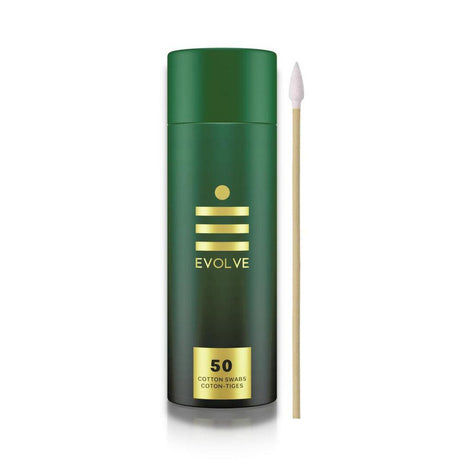
The clearest sign that you need brushes is when a liquid soak leaves visible residue in a spot you can see but can't quite reach. The Evolve Cotton Swabs are particularly good for this, handling tight corners around joints and inside bowls where even a pipe cleaner is too stiff to manoeuvre. If your piece has both internal chambers and accessible joints, you'll likely use both in the same cleaning session anyway.
Do I need a soaking cleaner for thick buildup if I don't want to scrub?
Yes, and the good news is that a proper soak with the right formula genuinely reduces or eliminates the need to scrub, which is the whole point. Scrubbing is what you do when a cleaner hasn't had enough time or the right chemistry to fully dissolve the resin. If you're scrubbing hard, it usually means one of two things: the cleaner isn't strong enough, or you didn't let it sit long enough.
Orange Chronic is built specifically around this idea. The formula is designed to break resin bonds so the residue lifts off the glass without you having to mechanically remove it. For moderate buildup, a few minutes of contact time followed by a gentle shake and rinse is often all it takes. For thick, layered buildup that's been accumulating for weeks, you'll want to extend that soak, sometimes to ten or fifteen minutes, and let the chemistry do the heavy lifting before you even think about agitating.
The Ooze Resolution Gel works well for thick buildup too, especially in pieces where you want the cleaner to stay put on a specific surface rather than running through and out. Because the gel clings rather than flows, it maintains contact with stubborn spots longer than a thin liquid would, which is exactly what you need when resin has hardened into a ring or a thick coating on the glass walls.
If you've let buildup go long enough that even a full soak leaves residue behind, that's usually the point where a bristle tool becomes necessary for the specific spot. But for most people who clean with reasonable regularity, a good liquid soak is genuinely enough, no scrubbing required.
What's the difference between using a purpose-made glass cleaner and using isopropyl alcohol at home?
The main difference is in what each formula is actually optimised to do. Isopropyl alcohol is a general solvent that dissolves resin reasonably well, which is why it became the default DIY method. But it's not formulated specifically for cannabis resin, it evaporates quickly (which cuts into dwell time), and it leaves a residue film if you don't rinse thoroughly. It also has a strong smell that lingers in the bathroom and on your hands. It works, but it's a blunt instrument being used for a specific job.
Purpose-made cleaners like Orange Chronic or Randy's Black Label are formulated to target the exact chemistry of cannabis resin and combustion byproducts. The solvents in those formulas are chosen for their ability to break oil-based bonds on glass specifically, and they're often combined with surfactants that help the dissolved resin actually rinse away cleanly instead of redepositing on the glass as the liquid drains out. That's a real difference you can see: a good purpose-made cleaner rinses clear, while iso sometimes leaves a faint haze that you have to rinse multiple times to clear.
The Ooze Resolution Gel takes this a step further by being non-toxic and designed with less chemical smell, which matters if you're cleaning in a shared space or you're sensitive to solvent fumes. Iso at high concentration isn't something you want to be breathing over a sink for five minutes either, and purpose-made formulas are generally a better experience on that front.
If you're already using iso and it's working for you, switching to a dedicated cleaner mostly means less effort, less smell, and a cleaner rinse. It's not a dramatic revelation, but once you've used Orange Chronic on a piece that iso couldn't fully clear, the difference is hard to ignore.