Keep Your Pipe Pristine: Shop Pipe Cleaners & Cleaning Solutions!
Want to keep your favourite pipe clean for smooth, flavourful hits every time? The right pipe cleaners and accessories make maintenance easy! Tackle residue in every nook and cranny with flexible pipe cleaners, available in various sizes for thorough scrubbing. Pair them with specialized cleaning solutions designed to dissolve stubborn tar and resin buildup effectively. Regular cleaning ensures optimal performance and the best taste from your pipe. Find great options from trusted brands like Randy's, Orange Chronic, ONGROK, and RYOT. And remember, we offer free shipping everywhere in Canada on orders over $49! Browse our selection and get the essential supplies to keep your pipe in top condition.
Keep Your Pipe Pristine: Shop Pipe Cleaners & Cleaning Solutions!
Want to keep your favourite pipe clean for smooth, flavourful hits every time? The right pipe cleaners and accessories make maintenance easy! Tackle residue in every nook and cranny with flexible pipe cleaners, available in various sizes for thorough scrubbing. Pair them with specialized cleaning solutions designed to dissolve stubborn tar and resin buildup effectively. Regular cleaning ensures optimal performance and the best taste from your pipe. Find great options from trusted brands like Randy's, Orange Chronic, ONGROK, and RYOT. And remember, we offer free shipping everywhere in Canada on orders over $49! Browse our selection and get the essential supplies to keep your pipe in top condition.
 13% off
-
Up to 40% off
-
50% off
-
25% off
-
![RYOT - Large Walnut Poker Sleeve (12-Pack)-Turning Point Brands Canada]() Up to 50% off
Up to 50% off -
![15mm Screens for Bongs and Pipes - Steel, showing a box containing metal pipe screens, designed to enhance smoking by preventing debris and ensuring smooth airflow.]()
![15mm Screens for Bongs and Pipes - Steel, showing a box containing metal pipe screens, designed to enhance smoking by preventing debris and ensuring smooth airflow.]() Up to 41% off
Up to 41% off -
-
-
-
-
-
-
-
-
![6 Tapered Bristle Pipe Cleaner, shown in a bundle with a green label, featuring heavy-duty bristle wire for effective cleaning.]()
-
Sold out


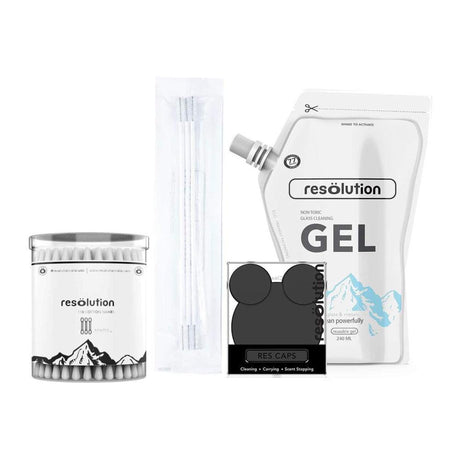
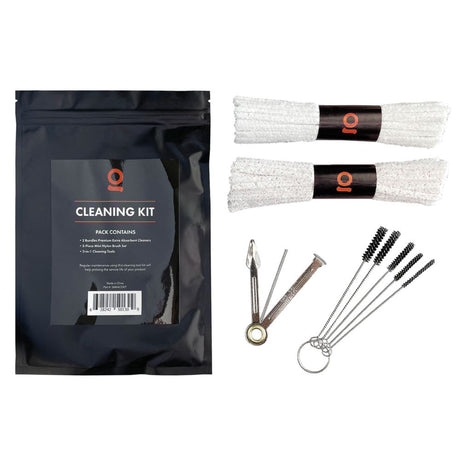
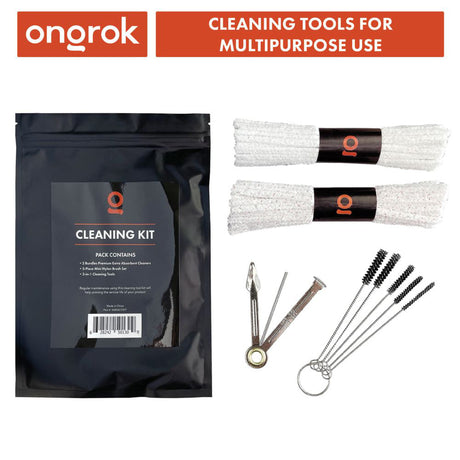
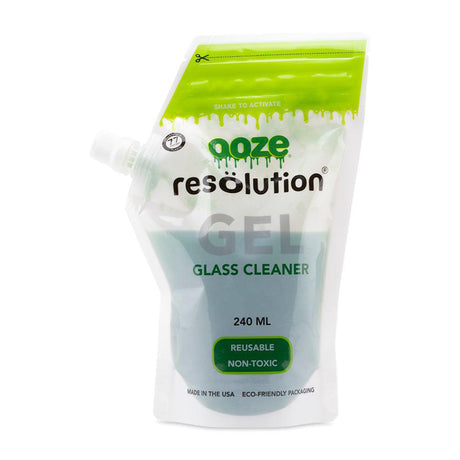
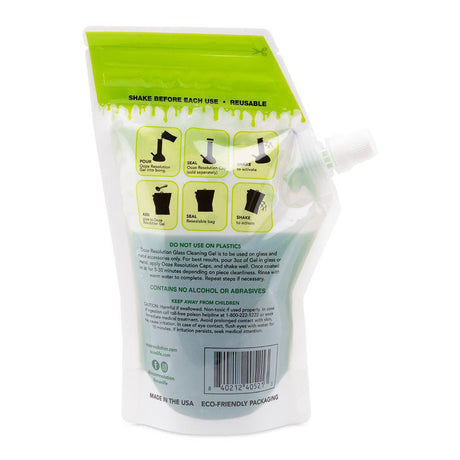
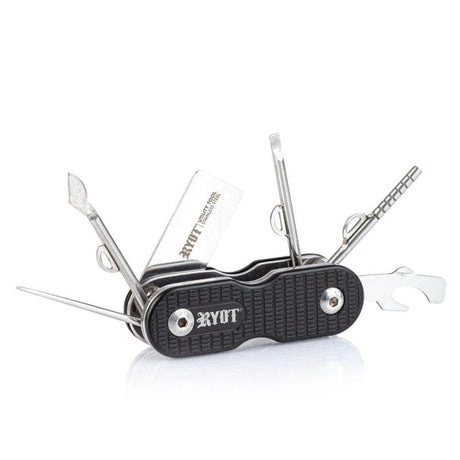
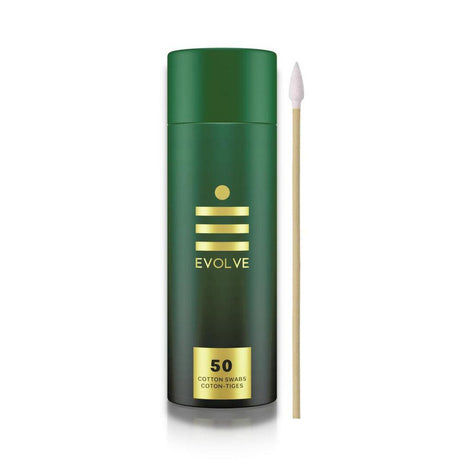
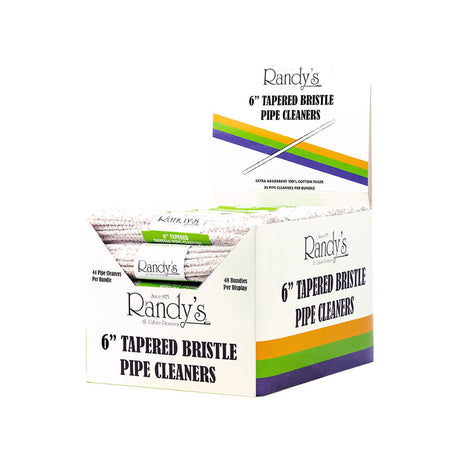
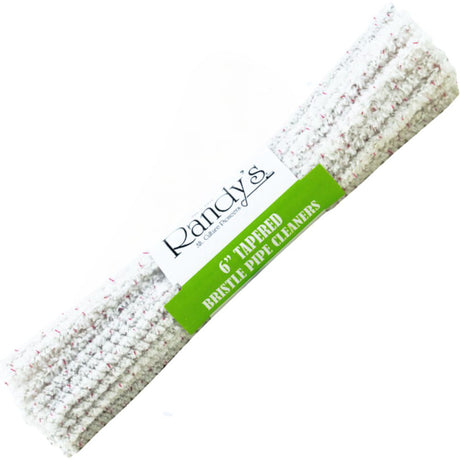
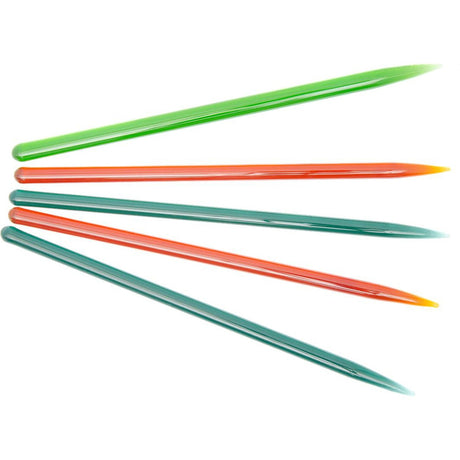
NEGLECTING YOUR PIPE CLEANERS & ACCESSORIES IS WHY YOUR GLASS TASTES OFF
Resin builds up faster than most people realize, and by the time you notice a stale, harsh pull, your piece has been underperforming for days. A quick rinse with hot water won't cut it; you need a cleaner that actually dissolves tar and resin on contact, which is why Smoke & Vape stocks solutions from Randy's and Orange Chronic alongside screens, pokers, and cleaning towels from brands like RYOT, HMP, and Evolve. The difference between a dirty pipe and a clean one isn't subtle. It changes the flavor of every hit, and the fix takes about two minutes if you've got the right supplies on hand.
| Product | Best For | Why We'd Recommend It | One Thing to Know |
|---|---|---|---|
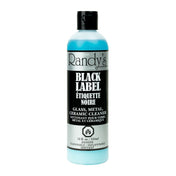
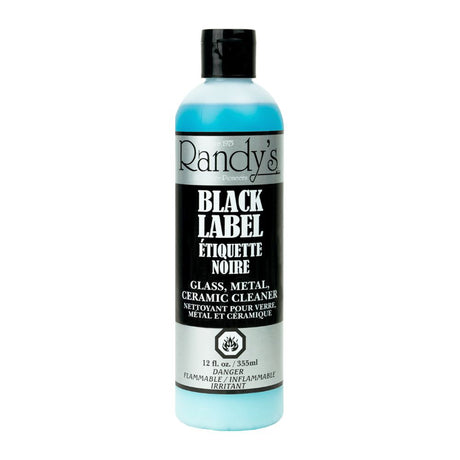
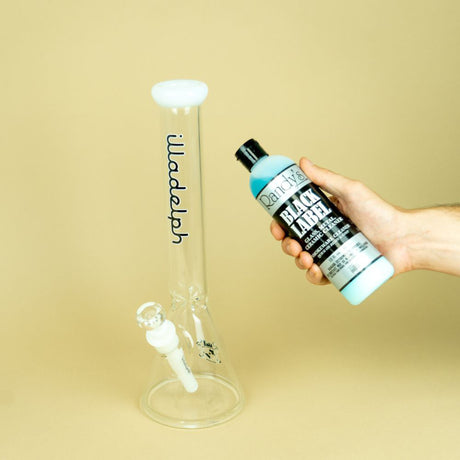
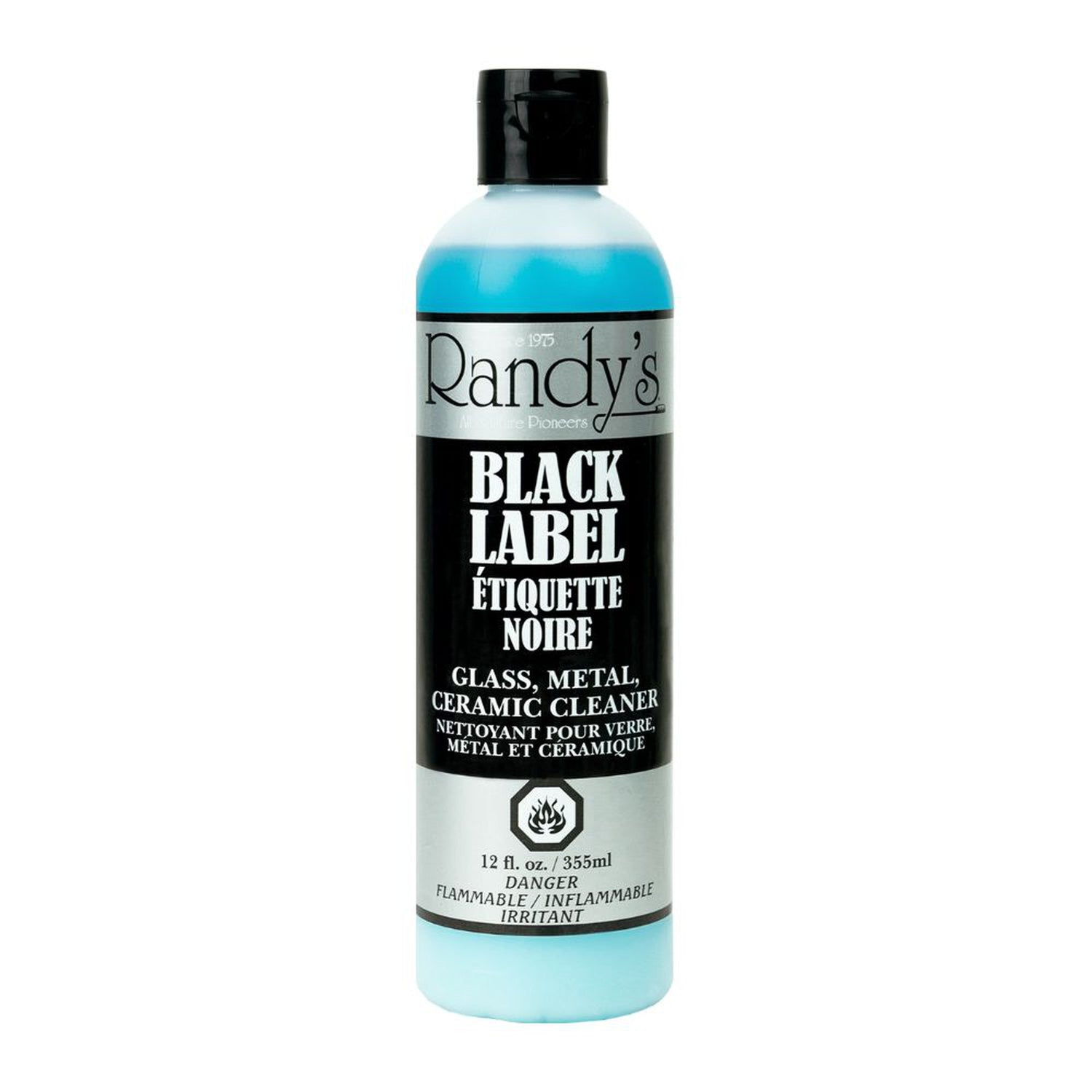 Randy's 12oz Black Label Bong Cleaner |
Someone who cleans multiple pieces regularly and wants to buy less often | The 12oz size means you're not rationing every clean or running out mid-session. | It's sold in a 16-unit case, so it's a better fit if you're buying for a household or sharing with friends than grabbing one bottle. |
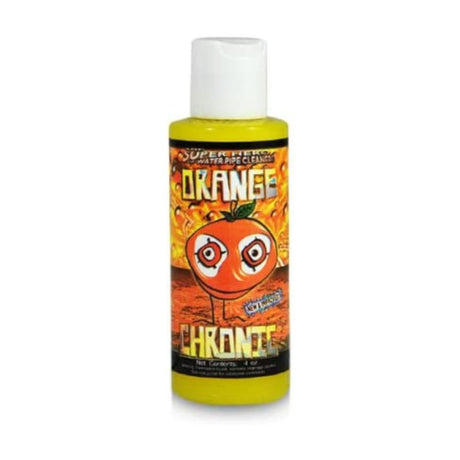
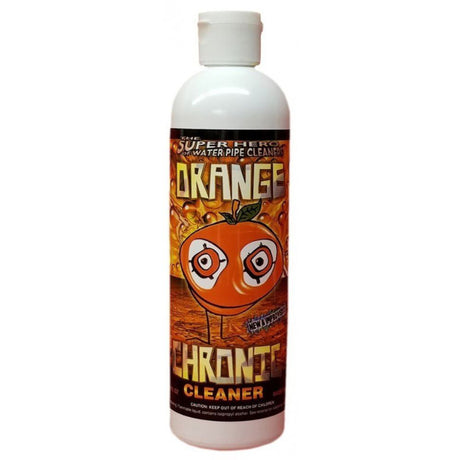
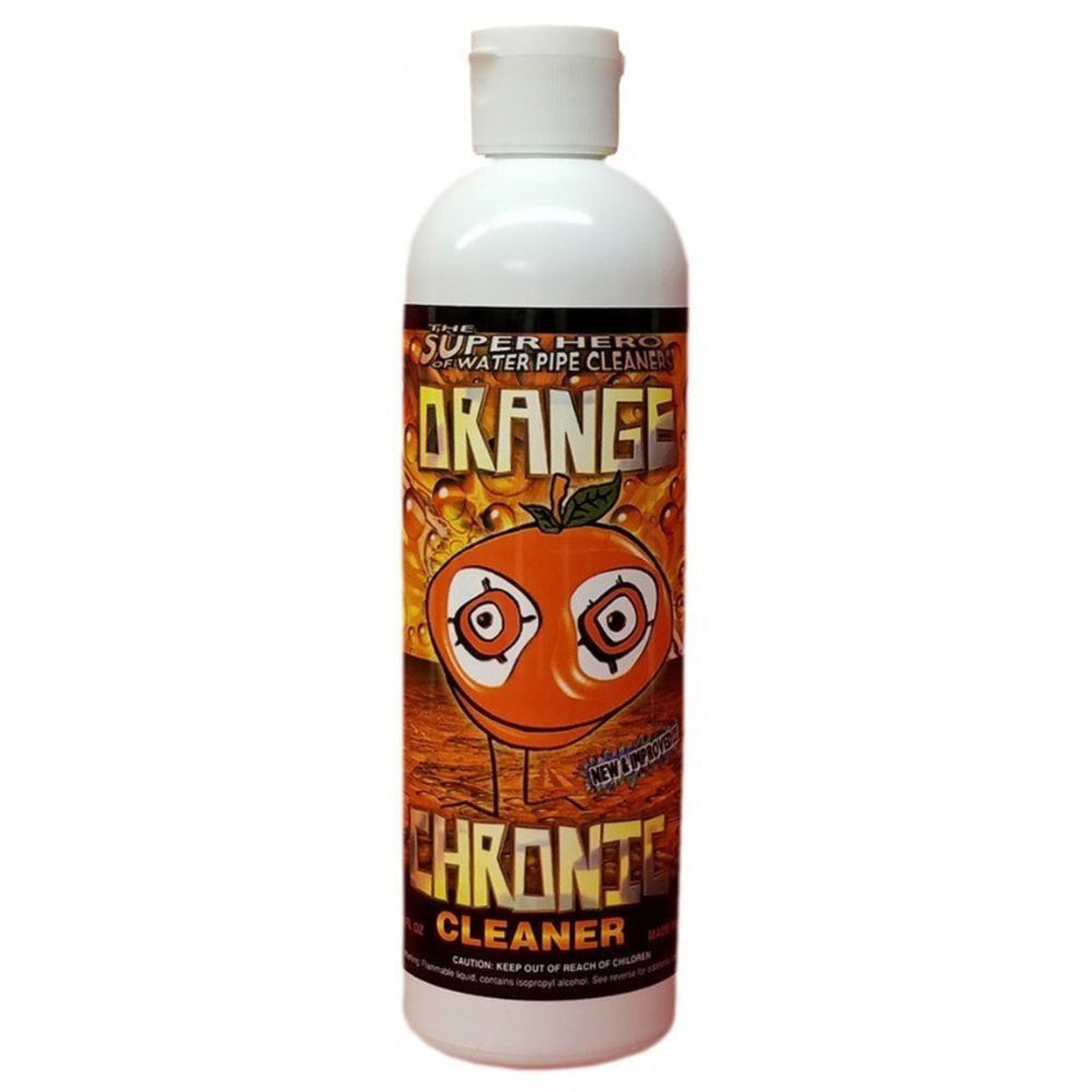 Orange Chronic 16oz Bong Cleaner |
Someone who wants a no-scrub cleaner that handles resin without a lot of effort | Dissolves grime and residue without scrubbing, so the work is mostly just rinsing. | The 16oz bottle is more than you'll need for a single piece in one sitting, so you'll want somewhere to store the rest between uses. |
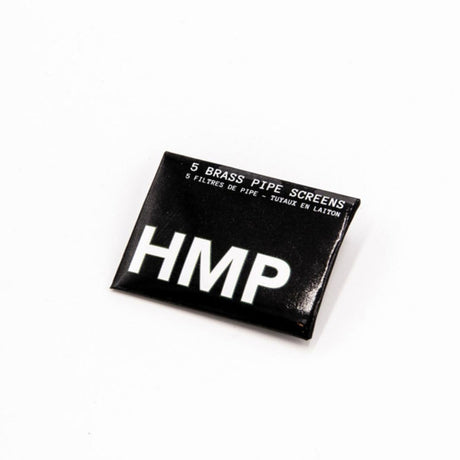
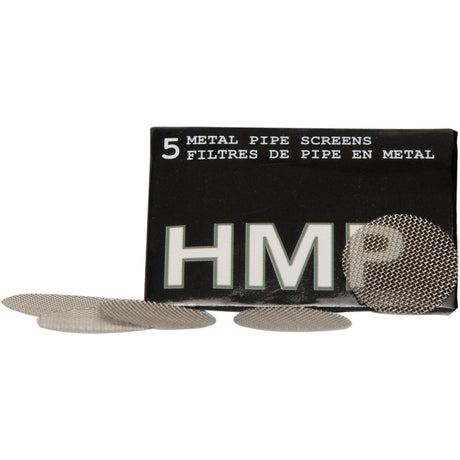
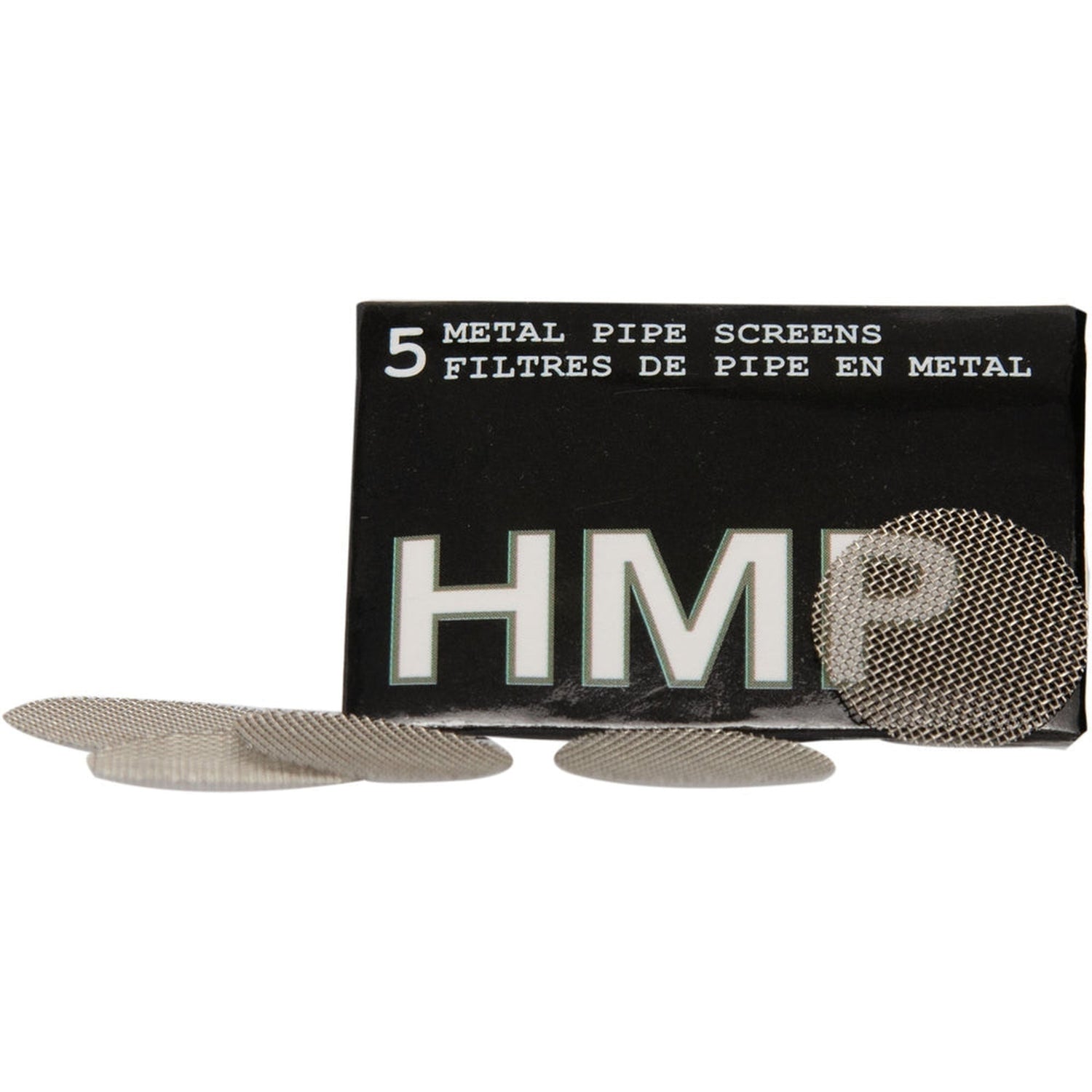 HMP 15mm Steel Screens |
Anyone losing herb through the bowl or getting debris in every pull | A steel screen at the bowl cuts debris at the source before it ever reaches the stem. | They wear out and need replacing, so this is an ongoing consumable, not a one-time buy. |
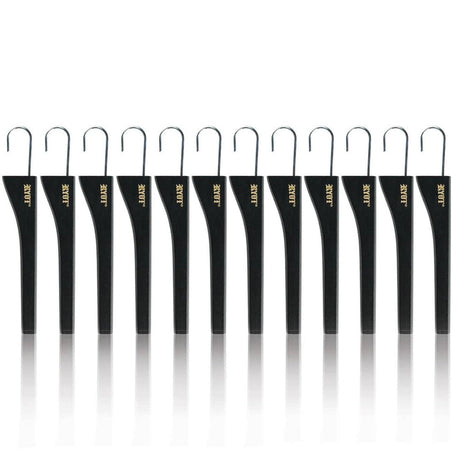
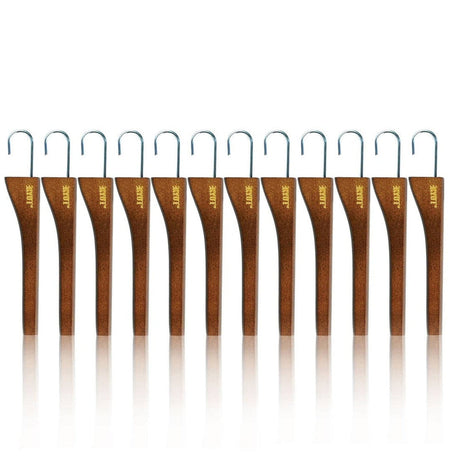
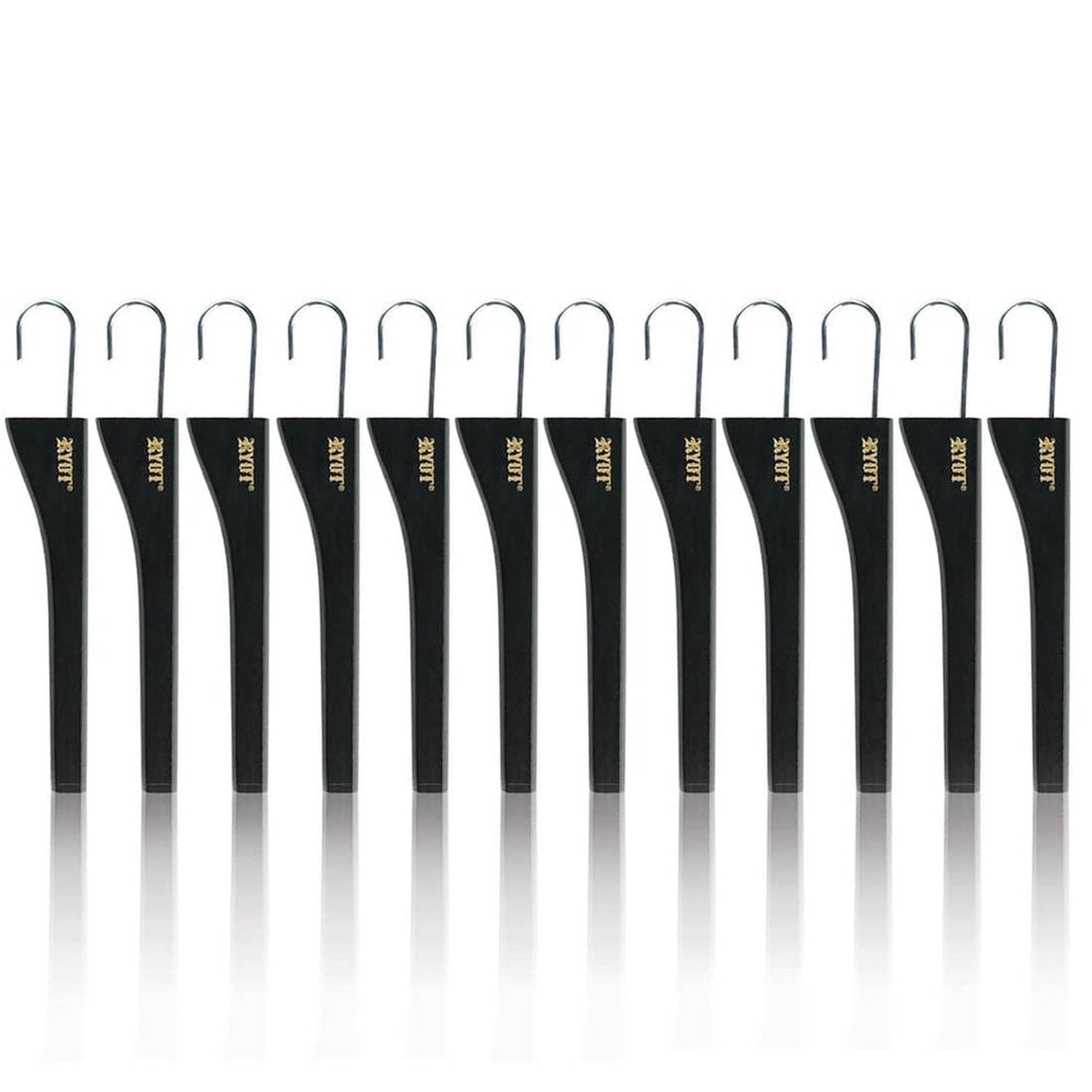 RYOT Poker Sleeve - Large |
Someone who uses a poker regularly and wants it protected and ready to grab | The sleeve keeps your poker from rolling off surfaces or getting lost in a drawer, available in black or walnut. | Sold in a 12-pack, so it's more practical if you're restocking frequently or sharing across multiple setups. |
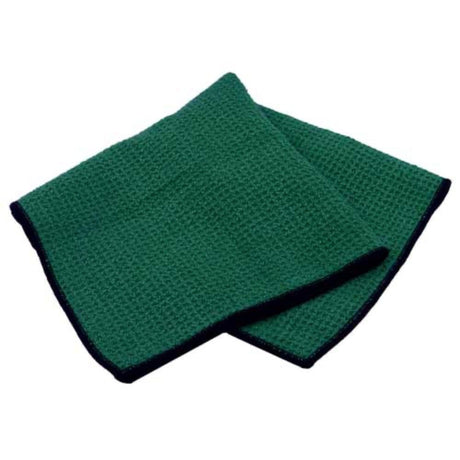
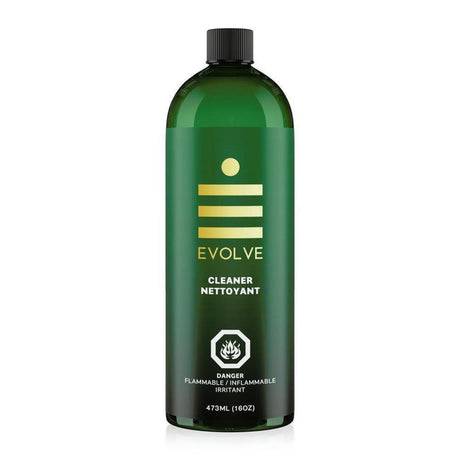
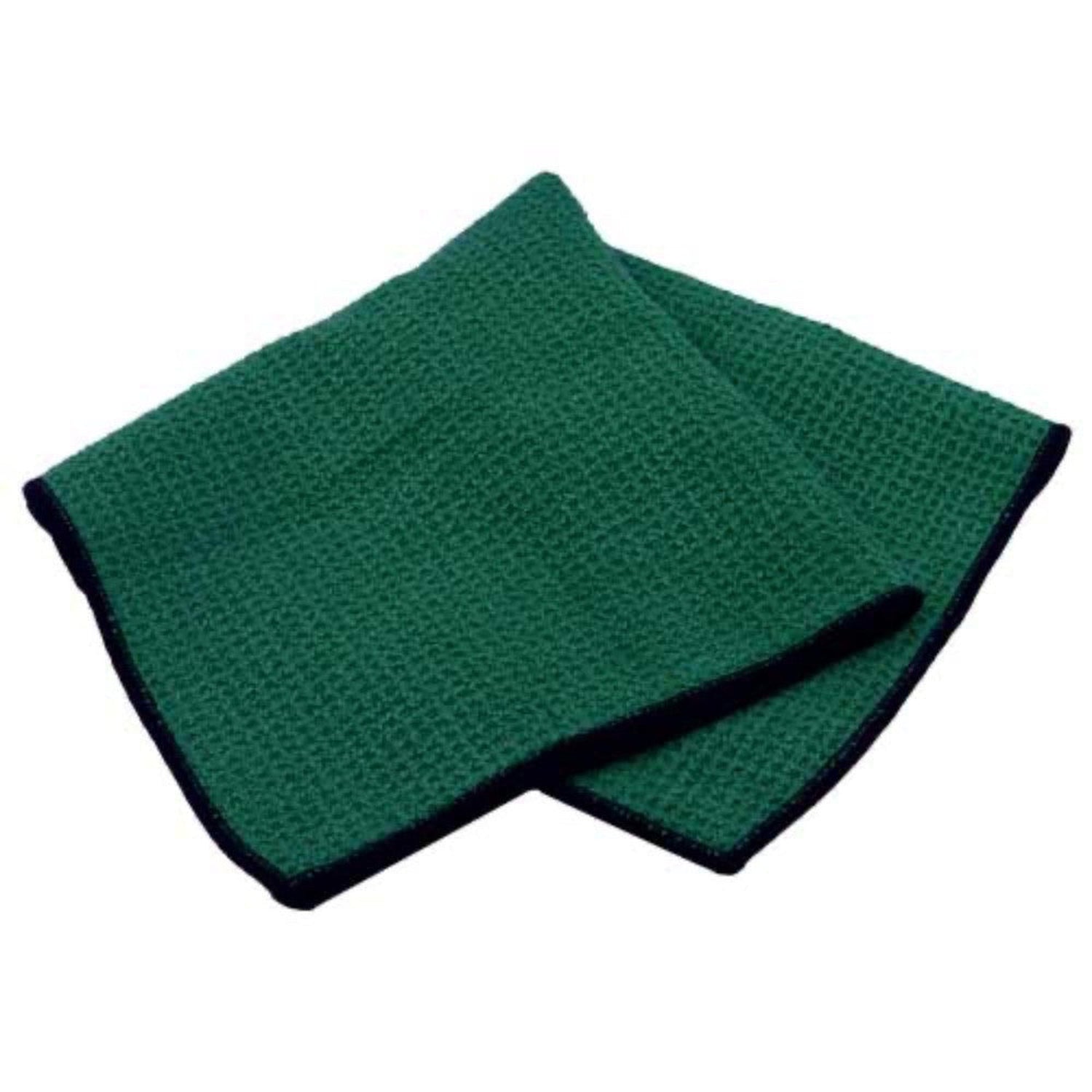 Evolve Cleaning Towel |
Anyone who wants to wipe down glass after a clean without scratching it | Soft, absorbent material lifts residue from glass surfaces without leaving marks or lint behind. | It's a finishing and maintenance tool, not a substitute for a cleaning solution when resin has already built up. |
If you're starting from scratch, the cleaner and a pack of screens cover the two most common problems: resin buildup and debris in your pulls. Between the two Orange Chronic sizes, the 16oz makes sense if you clean often; the 4oz is enough for occasional use without committing to a larger bottle. The poker sleeve and cleaning towel are worth adding once you've got the basics handled, especially if you're already reaching for a poker every session.
What Pipe Cleaners & Accessories Actually Do for Your Glass
Most people treat cleaning as an afterthought, but the tools and solutions you use determine whether your glass actually gets clean or just looks clean. This guide covers how different cleaners work, what screens do mechanically, and why the accessories you pair with a clean matter as much as the cleaner itself.
Why Cleaning Solutions Work Differently Than You'd Expect
Most people assume any liquid cleaner is basically soap and water with a better smell. It isn't. Purpose-built solutions like Orange Chronic use chemical agents that break the bond between resin and glass at the molecular level, which is why they work without scrubbing. Resin is a sticky, tar-like compound that water can't dissolve because it's not water-soluble; you need a solvent or surfactant that can actually penetrate it. That's the difference between rinsing and cleaning, and it's why a cleaner that says "no scrubbing required" isn't a marketing claim, it's a description of how the chemistry works.
How Screen Diameter Affects Whether Your Bowl Actually Works
A screen that's too small for your bowl leaves gaps around the edges, which means herb and ash pull straight through as if the screen weren't there. HMP's 15mm steel screens are sized for a specific bowl diameter, and using the right size matters more than most people think. Steel screens work by creating a physical barrier with a mesh structure fine enough to catch herb but open enough to let air through freely; if the mesh is clogged with resin, airflow drops and your draw gets harder. That's the sign a screen needs replacing, not cleaning. Most people try to clean a spent screen when they should just swap it.
What a Cleaning Towel Does That Paper Towels Can't
Paper towels feel soft, but they're made from wood pulp fibers that are abrasive enough to leave micro-scratches on glass over time. The Evolve Cleaning Towel uses a softer material that lifts residue without dragging particles across the surface. That matters more on borosilicate glass than people realize, because scratches create microscopic grooves where resin accumulates faster on subsequent uses. We hear from customers at Smoke & Vape who wonder why their piece gets dirty faster after a few months; often it's because the surface has been roughed up by abrasive wiping, not because the cleaner stopped working.
Why Dedicated Soak Containers Change How Well a Cleaner Performs
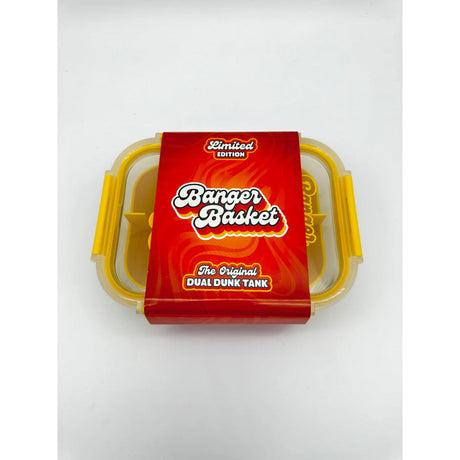
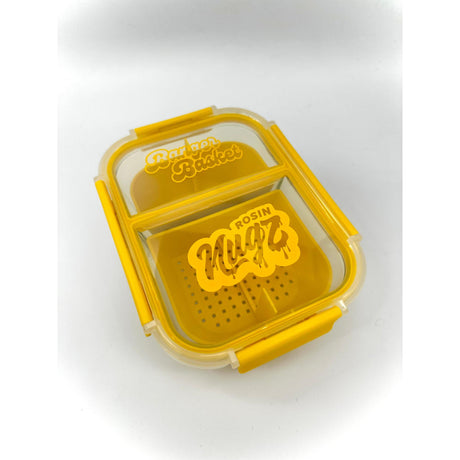
Pouring cleaner into a bag or bowl and hoping for the best works, but it's inefficient. A purpose-built container like the NUGZ Banger Basket has compartments that keep your pieces submerged and separated, which means the solution stays in contact with the surface instead of draining off. Contact time is what drives resin breakdown; a cleaner that sits against glass for two minutes does more work than one that sloshes around for ten. Most people rush a soak because they don't realize the solution needs time to soften and lift buildup, not just wet it.
Why Poker Protection Matters More Than the Poker Itself
A poker that rolls off a table or gets buried in a drawer picks up debris that ends up in your bowl. RYOT's poker sleeves hold the tool in place and keep it clean between uses, which sounds simple but changes how often people actually maintain their pieces. The bigger point is that accessories like this are about consistency: a clean poker doesn't introduce old residue into a freshly cleaned bowl, which means your clean actually stays clean longer than it would otherwise.
Frequently Asked Questions
What's the difference between liquid soak cleaners and abrasive scrub-style cleaners?
The core difference is where the work happens. Liquid soak cleaners like Orange Chronic or Randy's Black Label do their job chemically: you pour them in, let the solution dwell, and the formula breaks down resin so it lifts away with minimal physical effort. Abrasive methods, like the classic isopropyl alcohol and coarse salt combination, rely on mechanical action instead. The salt doesn't dissolve resin on its own; it scours the interior walls when you shake the piece, and the alcohol loosens what the salt dislodges. Both approaches work, but they suit different situations.
Where liquid soaks have a real edge is on pieces with complex geometry. Percolators, curved stems, and any section you physically can't reach with a brush or pipe cleaner respond much better to a soak because the solution gets into every space without you having to guide it there. Orange Chronic's no-scrub formula is specifically designed for that kind of hands-off approach, which is why it works well on bongs and water pipes where scrubbing the interior isn't really an option anyway.
Abrasive methods are more satisfying for flat-bottomed bowls and spoon pipes where you can actually agitate the piece and feel the grit doing its job. The tradeoff is that you need to be more careful with delicate pieces, and if your glass has any surface scratches already, the salt will catch in those grooves and potentially make them worse over time. For a heavily used daily driver with thick resin buildup, a liquid soak that softens the deposit first, followed by a rinse, tends to produce a cleaner result than scrubbing alone.
How often should I clean a bowl or spoon pipe to keep the flavour fresh?
The honest answer is more often than you probably do it right now. For daily use, a quick rinse after every session and a proper soak once a week keeps flavour noticeably cleaner than waiting until the pipe is visibly gunked up. The problem is that resin doesn't announce itself gradually. It accumulates in a thin layer that you stop noticing because each session only adds a little, and then one day the flavour is just off and the draw feels restricted. By that point you've been smoking through resin for days.
A good rule of thumb: if you can hold your bowl up to light and the interior walls look amber or brown instead of clear, it's past due. If the draw has gotten noticeably harder since your last clean, that's the screen or the stem restricting airflow, and no amount of fresh herb is going to compensate for it. Cleaning at that point takes longer too, because you're dealing with hardened, layered resin rather than fresh buildup that a short soak handles easily.
For occasional smokers, every two weeks is usually enough to keep things tasting the way they should. The real variable is how much you're packing per session, not just how often you smoke. A single heavy bowl leaves more residue than three light ones, so if you tend to pack full bowls, err toward cleaning more frequently. Orange Chronic's 4oz bottle is a practical size for this kind of regular maintenance; you're not committing to a large bottle for the occasional clean, but you'll have enough on hand to actually stay consistent.
How do I prevent resin from building up as fast between deep cleans?
The most effective thing you can do is run a quick rinse immediately after a session while the resin is still warm and hasn't fully hardened onto the glass. Fresh resin is soft and partially soluble; resin that's been sitting for 12 hours has bonded to the surface and takes real dwell time to loosen. A 30-second warm water rinse right after you're done smoking removes a surprising amount of material before it ever has a chance to set.
Using a screen consistently is the other big one. An HMP 15mm Steel Screens keeps ash and particulate from being drawn into the stem and bowl, which means the material that causes the worst blockages never gets past the bowl in the first place. Screens do get saturated with resin themselves over time, but replacing a spent screen is much faster than deep cleaning a stem packed with debris. Think of the screen as doing the dirty work so your pipe doesn't have to.
Wiping down the exterior and the mouthpiece after each session also helps more than it sounds like it should. The Evolve Cleaning Towel is good for this because it picks up surface residue without scratching the glass, and keeping the outside clean makes it easier to notice when the inside actually needs attention. The other habit worth building is knocking ash out of the bowl promptly rather than letting it sit. Ash mixed with moisture from your breath turns into a paste that bonds to glass quickly, and it's one of the main reasons bowls get sticky faster than people expect.
How do I know what screen size fits my bowl?
The simplest method is to measure the inner diameter of your bowl at its widest point. You want a screen that's slightly larger than that measurement so it sits across the opening with a little overlap on the edges, rather than dropping straight through. A screen that fits flush against the sides of the bowl stays in place during a session; one that's too small just falls in and does nothing useful.
HMP's 15mm steel screens are sized for a common bowl diameter, and 15mm covers a wide range of standard hand pipes and bong bowls. If you're not sure whether your bowl falls in that range, the practical test is to hold the screen over the opening before your session. It should rest on the rim without needing to be pressed down, and it shouldn't have visible gaps around the edges where herb could slip through. If it drops in freely, the screen is too small. If it won't sit flat, it's too large.
One thing worth knowing: bowl diameter and screen size don't need to match exactly. Screens are slightly flexible, so a 15mm screen will conform reasonably well to bowls that are a millimetre or two smaller or larger. Where you'll run into problems is trying to use a significantly undersized screen in a large bong bowl, or forcing an oversized screen into a small spoon pipe. Both situations compromise the screen's function. When in doubt, go slightly larger rather than smaller; a screen that overlaps the rim a bit still works, while one that's too small to bridge the opening doesn't.
Do cleaning solutions leave a taste behind after rinsing?
They can, but it's almost always a rinsing problem rather than a product problem. Purpose-built cleaners like Orange Chronic are formulated to rinse clean, meaning the active ingredients are designed to break down resin and then wash away with water without leaving a residue. The issue most people run into is not rinsing thoroughly enough, especially inside stems and percolators where solution can pool and not fully drain.
The fix is straightforward: rinse with warm water at least two or three times after cleaning, and if you're cleaning a bong or water pipe, fill and empty the chamber completely rather than just running water through the mouthpiece. Any cleaner that stays in contact with glass will leave some trace of itself if you don't flush it out, and that trace is what you're tasting when you light up too soon after a clean.
If you've rinsed thoroughly and still notice an off taste on the first session, let the piece air dry completely before using it. A wet interior can trap residual cleaner in microscopic surface pores, and that evaporates quickly once the piece is dry. The taste should be completely gone by the second session at the latest. If it persists beyond that, the more likely culprit is resin that wasn't fully removed during the clean, not the cleaner itself.
What kind of container should I use to soak small parts while cleaning?
The container matters more than most people think, and the main reason is submersion. If your bowl, screen, or downstem is sitting at the bottom of a container with just enough cleaner to wet it, you're not soaking it; you're just dampening one side. You need enough solution to fully cover the piece, and you need a container that keeps it submerged rather than floating or sitting at an angle where part of the surface stays dry.
For small parts like bowls and screens, a sealable container with enough depth to keep everything covered works well. The NUGZ Banger Basket is worth considering here because it has separate compartments, which is genuinely useful when you're cleaning multiple small parts at once and don't want them knocking against each other during the soak. Glass and steel are both fine materials for a soak container; plastic works too, but some cleaning solutions can interact with certain plastics over time, so check the label if you're using a strong formula.
Zip-lock bags are a popular option for spoon pipes and bowls because you can seal the cleaner inside and shake the piece without making a mess. The limitation is that bags don't work as well for extended soaks because they're harder to keep sealed while the piece is fully submerged. For a quick 15-minute clean, a bag is fine. For an overnight soak on a heavily used piece, a rigid container with a lid gives you better results and less chance of a spill if something shifts on your counter.