Grind Anywhere: Shop Ultra-Portable Grinder Cards!
Need an incredibly portable way to grind your herbs on the go? Grinder cards offer ultimate convenience in a wallet-sized package! These flat, durable stainless steel cards function like a grater for your herbs, featuring various grating surfaces to produce a fine, consistent grind. Their slim, credit-card size makes them perfect for slipping into a wallet or pocket. Simple to use – just rub your herb against the surface over your paper or bowl. Plus, find cool designs from brands like V-Syndicate and Zig-Zag. And remember, we offer free shipping everywhere in Canada on orders over $49! Grab a grinder card for efficient, discreet grinding wherever you are.
Grinders | Rolling Papers | Pre-Rolled Cones | Wraps | Rolling Tips & Accessories | Rolling Trays | Ashtrays
Grind Anywhere: Shop Ultra-Portable Grinder Cards!
Need an incredibly portable way to grind your herbs on the go? Grinder cards offer ultimate convenience in a wallet-sized package! These flat, durable stainless steel cards function like a grater for your herbs, featuring various grating surfaces to produce a fine, consistent grind. Their slim, credit-card size makes them perfect for slipping into a wallet or pocket. Simple to use – just rub your herb against the surface over your paper or bowl. Plus, find cool designs from brands like V-Syndicate and Zig-Zag. And remember, we offer free shipping everywhere in Canada on orders over $49! Grab a grinder card for efficient, discreet grinding wherever you are.
Grinders | Rolling Papers | Pre-Rolled Cones | Wraps | Rolling Tips & Accessories | Rolling Trays | Ashtrays
 50% off
-
50% off
-
50% off
-
50% off
-
50% off
-
50% off
-
50% off
-
-
-
-
-
-
Sold out


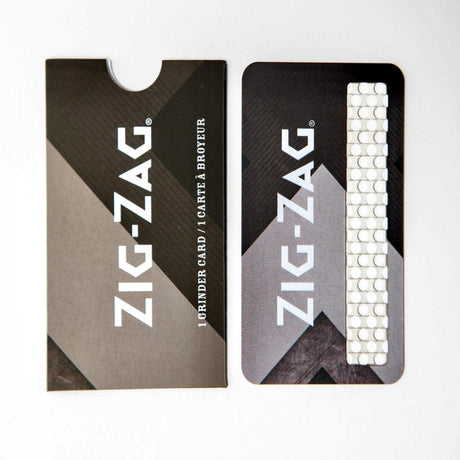



WHAT GRINDER CARDS ACTUALLY SOLVE FOR SMOKERS WHO ARE ALWAYS MOVING
Bulky grinders are fine at home, but they're not something you want rattling around in a jacket pocket or taking up space in a bag. A card grinder is the size of a credit card and made from stainless steel, so it slips into your wallet and stays there until you need it. Brands like V-Syndicate and Zig-Zag have built their versions around that same idea: flat, functional, and ready whenever you are. Smoke & Vape carries both because sometimes the best grinding setup is the one you actually remember to bring.
| Product | Best For | Why We'd Recommend It | One Thing to Know |
|---|---|---|---|
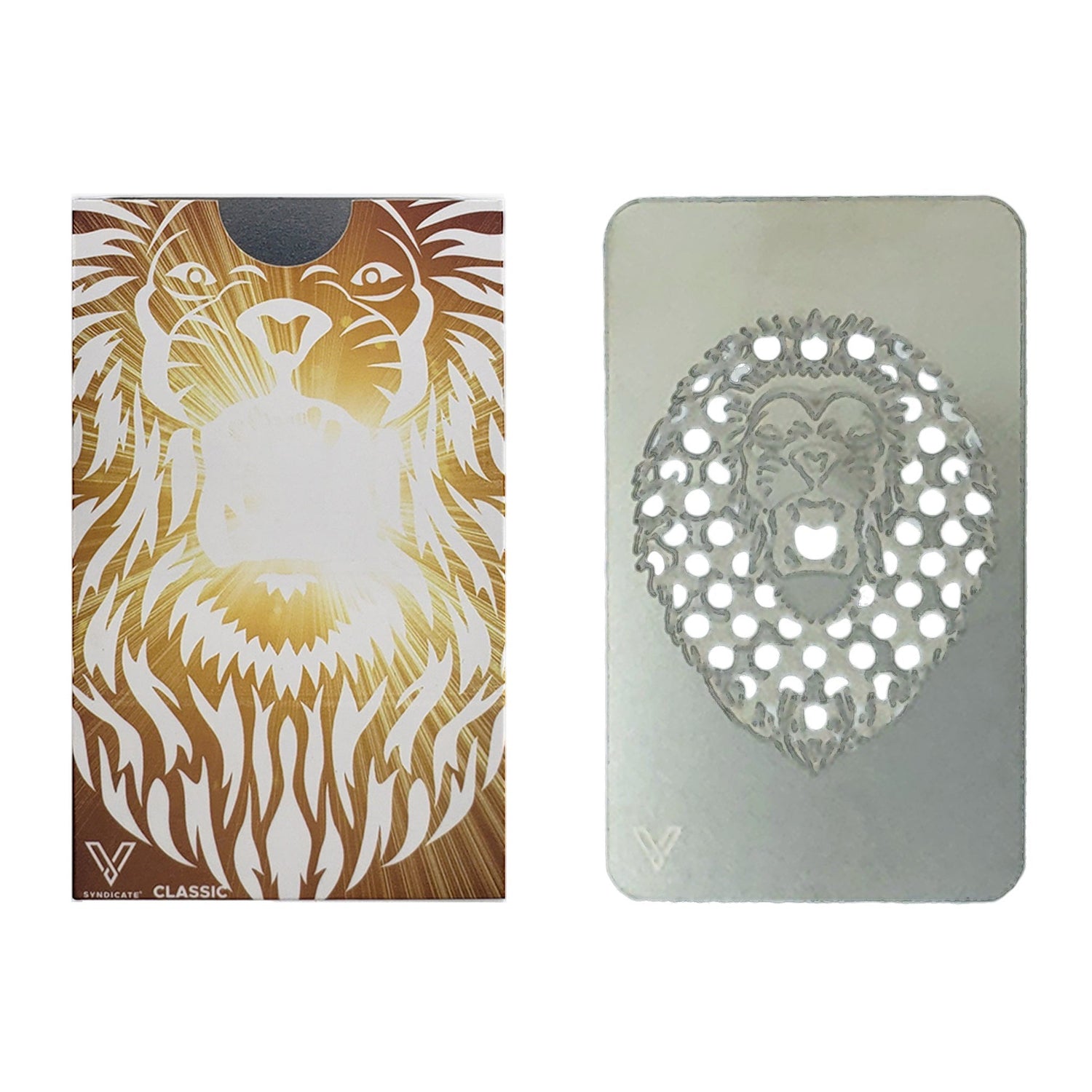 V-Syndicate Grinder Card - Roaring Lion |
Someone who wants a wallet grinder with a bold graphic that doesn't look like a tool | Same stainless steel card construction as the rest of the V-Syndicate lineup, with a lion head design that stands out from the plain-card look. | It's a card grinder, so you're grinding over your paper or bowl by hand, not twisting a chamber like a traditional grinder. |
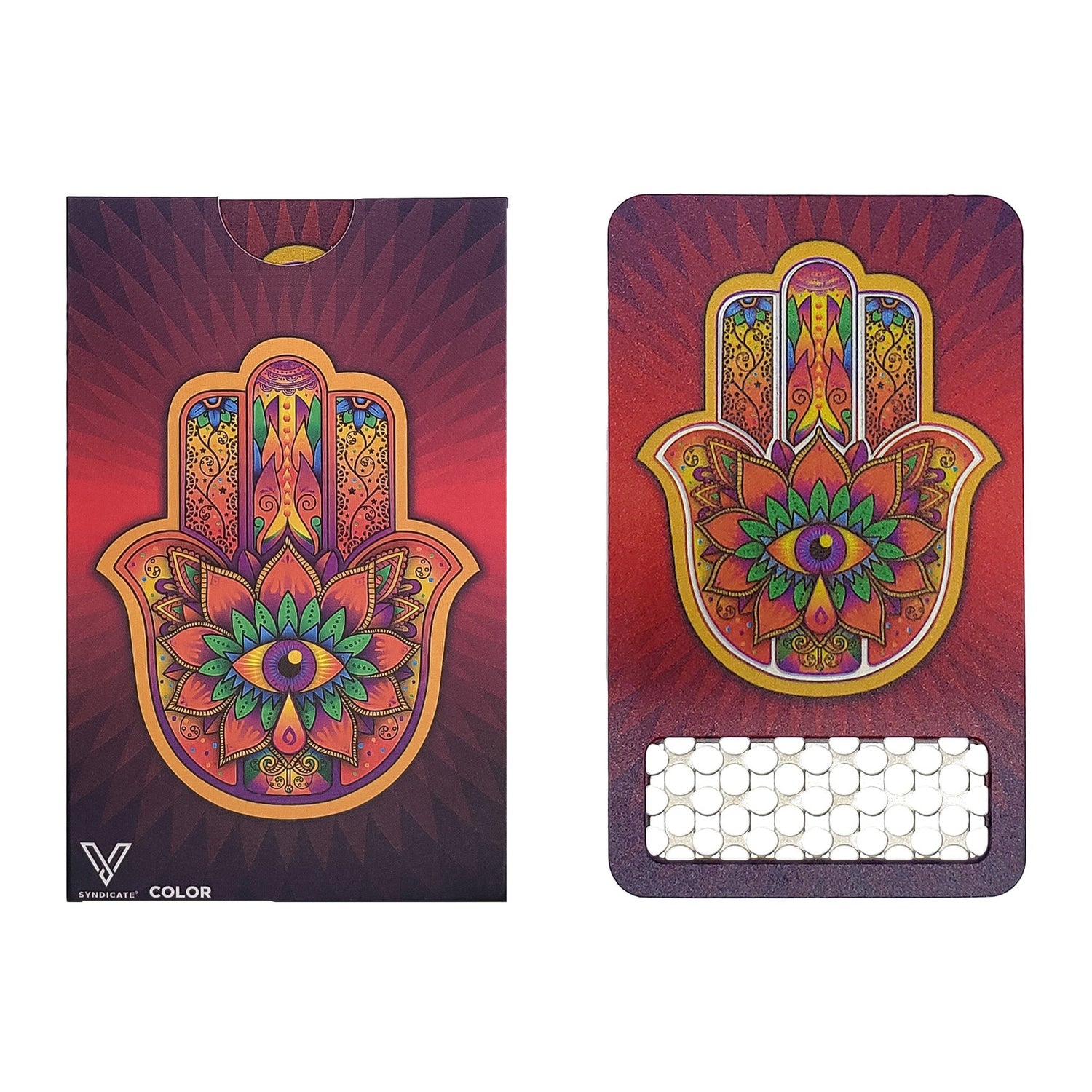 V-Syndicate Grinder Card - Hamsa Red |
Someone who wants the same card format at the lowest entry point in the V-Syndicate lineup | Carries the hand-drawn hamsa design with the same wallet-sized stainless steel build, at a lower price than most V-Syndicate cards here. | Same functional trade-offs as any card grinder: no kief catcher, no separate chamber, just the grating surface. |
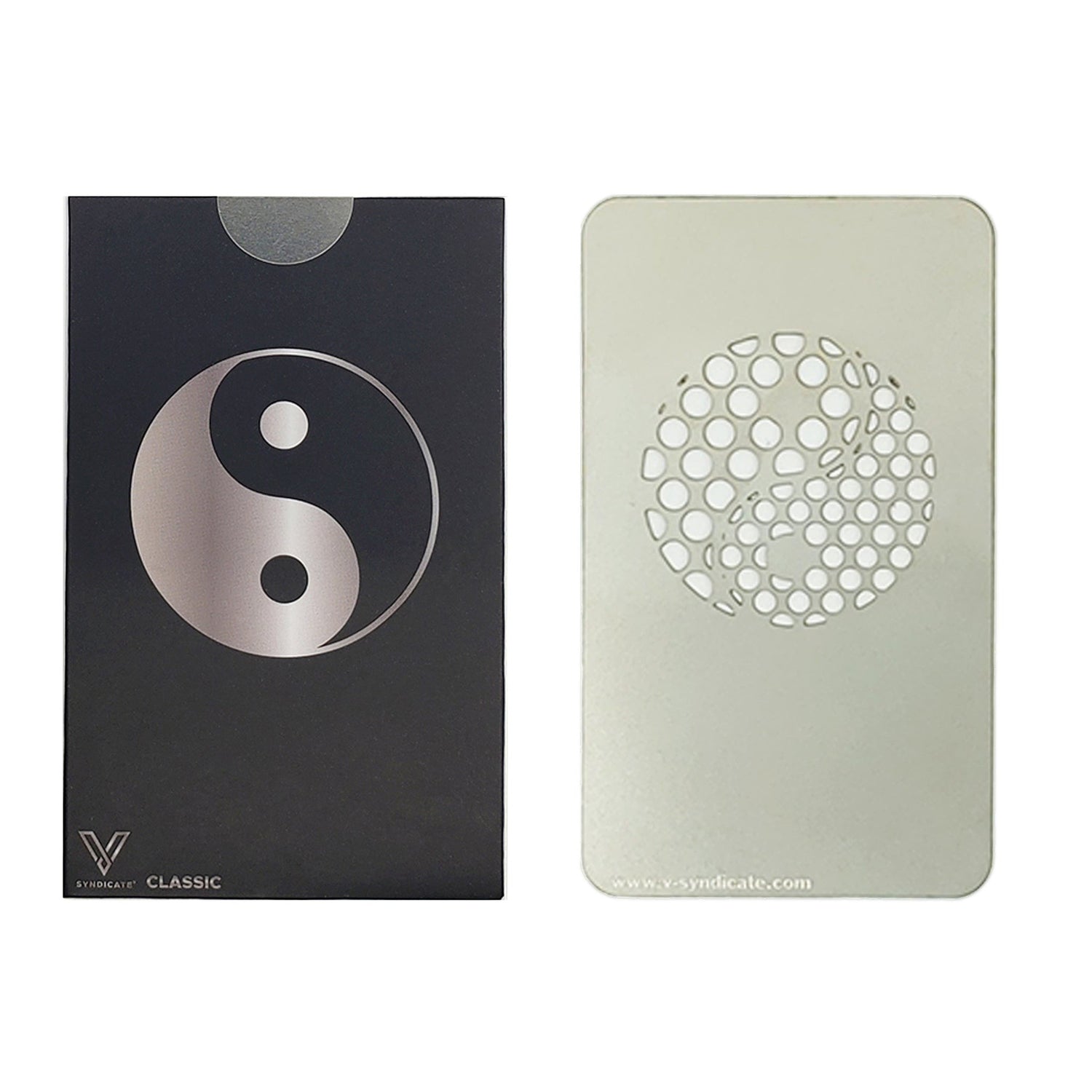 V-Syndicate Grinder Card - Yin Yang |
Someone who wants a card grinder that reads more minimal than graphic-heavy | The black and silver yin yang design keeps things understated compared to the bolder prints in the lineup. | Card format means it's a one-surface grind, so you'll want a tray or paper underneath before you start. |
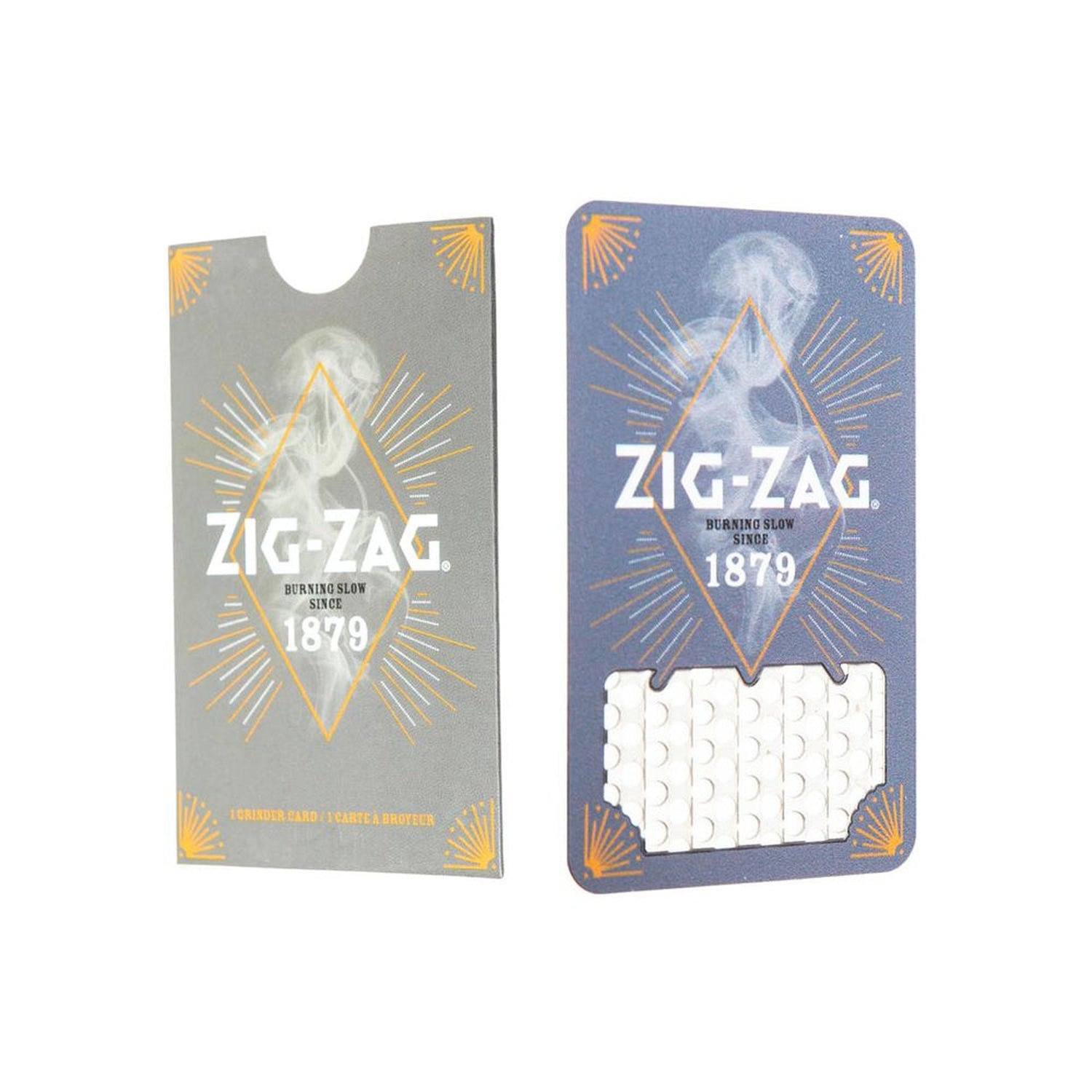 Zig-Zag Grinder Card - Smokey |
Someone who wants a card grinder from a brand they already know and trust | Zig-Zag's name carries decades of rolling credibility, and this card brings that into the portable grinder category. | It's the only card in the lineup not from V-Syndicate, so if you're comparing build specs between the two brands, the product data doesn't give us enough to call a winner. |
If the design doesn't matter to you, any V-Syndicate card gets you the same stainless steel grating surface in the same wallet format, so just pick the one you'd actually want to pull out. If brand recognition is what you're after, the Zig-Zag card is the one that comes with a name you've probably already got in your back pocket.
Grinder Cards Explained for Anyone Who's Never Used One
A grinder card works differently than anything else in the grinding category, and those differences affect how you prep, how you collect your herb, and how the grind actually feels in your hand. This guide covers the mechanics behind the format so you know what you're getting into before you buy.
Why Stainless Steel Makes Card Grinders Work Where Other Materials Wouldn't
Card grinders need to be thin enough to sit in a wallet without warping and rigid enough to grate herb without flexing mid-use. Stainless steel does both. It holds its shape under pressure, resists moisture from handling, and won't corrode in a pocket over months of use. Most people assume a metal card is just a stylistic choice, but the material is actually doing structural work: a softer metal would bend the first time you pressed herb against it with any real force, and a thicker material would make the card too bulky to carry flat.
How Grating Surfaces Differ From Teeth and What That Means for Your Grind
A traditional grinder uses rotating teeth that shear herb between two chambers. A card grinder uses a fixed grating surface, more like a kitchen microplane than a pepper grinder. You're dragging herb across raised cutting edges rather than spinning it through a mechanism. That means the grind texture depends on how much pressure you apply and how many passes you make, so you have more manual control than people expect, but you also can't just twist and walk away. The result is still a workable, consistent grind, just one that requires a bit more attention to get right.
Why Card Grinders Don't Catch Kief and Why That's Worth Knowing Upfront
One of the most common questions we hear at Smoke & Vape is whether card grinders have a kief catcher. They don't. The card format has no separate chamber, no screen, and nowhere for trichomes to collect separately from the ground herb. That's not a flaw in the design; it's a trade-off the format requires to stay flat. If kief collection matters to your routine, a card grinder works as a secondary tool for travel, not a replacement for a multi-piece grinder at home.
What Grinding Over a Surface Actually Requires (and What People Forget to Bring)
Because you're grating herb directly off the card, you need something underneath to catch it. A rolling tray, an open paper, or even a clean flat surface works, but you can't grind into a chamber the way you would with a traditional grinder. People who switch from a four-piece grinder often forget this the first time they use a card and end up losing material to a table or a bag. The fix is simple: treat the card like a tool that needs a surface to work with, not a standalone unit.
Frequently Asked Questions
What grind consistency should I expect from a wallet grinder?
You'll get a medium to medium-fine grind from a card grinder, which is perfectly usable for rolling joints, packing bowls, or filling cones. It's not going to match the uniformity of a quality four-piece grinder with precisely machined teeth, but it's also not going to leave you with chunky, uneven pieces that won't roll properly. The V-Syndicate cards use precision-cut grating surfaces in the stainless steel, and those edges do a solid job of breaking herb down to a consistent texture when you work with them correctly.
The key variable is you. Because a card grinder is a manual grating tool, the consistency depends on how many passes you make and how evenly you move the herb across the surface. A few quick swipes will give you a coarser result; more passes with steady pressure will produce something finer. Think of it like using a cheese grater: the tool determines the general texture, but your technique determines how uniform the output actually is. Most people find their rhythm after a session or two.
Where card grinders genuinely shine is producing a grind that's good enough for the situation you're in. If you're at a friend's place, out camping, or anywhere you didn't bring your full setup, a V-Syndicate Ace of Spades or a Zig-Zag Grinder Card - Smokey card pulled from your wallet gets the job done without any fuss. It's not trying to be a precision instrument. It's trying to be the grinder you actually have on you when you need one, and the grind it produces is more than adequate for that role.
Do flat card grinders shred sticky herb well?
Sticky herb is where card grinders require a bit more patience, but they still get the job done. The resinous trichomes on fresh, well-cured flower tend to cling to any grinding surface, and a flat card is no exception. You'll notice the herb wants to stick to the grating holes rather than falling through cleanly, especially on the first few passes. That said, the stainless steel surfaces on cards like the V-Syndicate lineup are smooth enough that sticky material doesn't bond to them the way it would to a rougher or more porous surface.
The trick with sticky herb on a card grinder is to work in smaller amounts. If you try to grate a large nug across the card all at once, the surface clogs faster and you spend more time picking material out of the holes than actually grinding. Breaking the nug into a few smaller pieces first and running each one across the card individually keeps things moving. It's an extra step, but it makes a noticeable difference in how smoothly the process goes.
If your herb is particularly resinous, letting it dry out slightly before grinding helps too. Even five minutes of air exposure can reduce the surface moisture enough that the flower grates more freely. And if you're finding that residue builds up on the card mid-session, a quick brush with your fingertip or a dry toothbrush clears the holes so you can keep going. It's not as effortless as dropping a dry nug into a rotary grinder, but for a tool that fits in your wallet, the trade-off is reasonable.
Do grinder cards damage rolling papers when you grind directly into a paper?
This is a fair concern, and the short answer is: not if you're careful about it. A grinder card's cutting edges face upward while you grate, so the herb falls downward off the card. You're not pressing the card's grating surface against the paper itself. The ground material just drops onto whatever's below, whether that's a rolling paper, a tray, or a flat surface. As long as you're holding the card above the paper with a bit of clearance, the paper never touches the sharp edges.
Where people run into trouble is when they rest the card directly on the paper and grind with the card sitting flat against it. That can tear or puncture the paper, especially with thinner rice or hemp papers. The fix is simple: hold the card at a slight angle a couple of centimetres above your paper and let gravity do the catching. If you're worried about herb scattering, grinding over a rolling tray and then transferring the material to your paper gives you the cleanest result with zero risk to the paper.
Honestly, most experienced card grinder users don't grind directly into a paper at all. They grind onto a tray or a clean surface first, then load the paper from the pile. It gives you more control over how much goes in and keeps the paper pristine. A V-Syndicate card paired with a small rolling tray is a compact travel kit that handles the whole process without any damage to your papers or wasted herb.
Are stainless steel grinder cards better than plastic card grinders?
Yes, and it's not really close. Stainless steel is harder, more durable, and holds a sharper cutting edge than any plastic alternative. The grating holes on a steel card like the V-Syndicate or Zig-Zag models are cut with enough precision to stay effective over months of use, while plastic cards tend to dull quickly because the material just can't maintain sharp edges under repeated friction. After a few dozen sessions, a plastic card often feels like it's tearing herb apart rather than cleanly cutting it, and that difference shows up in the grind quality.
Durability is the other major gap. A stainless steel card can sit in your wallet, get sat on, bend slightly under pressure, and bounce back. Plastic cards crack. They're also more prone to warping in heat, which matters if your wallet spends time in a warm car or a back pocket on a summer day. Steel handles temperature changes without deforming, and it won't absorb odours the way plastic can over time.
The one advantage plastic cards have is that they're sometimes lighter and less expensive. But when you're talking about a tool this small and this simple, the weight difference is negligible, and the durability gap means you'd likely replace a plastic card multiple times before a steel one shows any real wear. If you're choosing between the two, a stainless steel card from V-Syndicate or the Zig-Zag Grinder Card - Smokey is the better long-term buy. You get a cleaner grind, a more resilient tool, and something that actually feels like it belongs in your pocket rather than a novelty that'll snap in half.
How do I clean resin buildup off a grinder card?
The easiest method is isopropyl alcohol and a brush. Soak the card in 90% or higher isopropyl alcohol for 10 to 15 minutes, then use an old toothbrush to scrub the grating holes from both sides. The alcohol dissolves the sticky resin, and the bristles clear out whatever's lodged in the cutting edges. Rinse the card with warm water afterward and let it dry completely before putting it back in your wallet. Stainless steel won't rust from this process, so you don't need to worry about water damage the way you might with a cheaper metal.
For lighter maintenance between deep cleans, a dry toothbrush after each session goes a long way. Brushing the surface while the residue is still fresh prevents it from hardening into the kind of caked-on buildup that requires a full soak. Most people skip this step and then wonder why their card feels less effective after a few weeks. It's the same principle as wiping down a kitchen grater after use; a quick brush now saves you a longer cleaning job later.
If the card has been neglected for a while and the holes are seriously clogged, you can let it soak longer, up to 30 minutes, or use a wooden toothpick to carefully push hardened material out of individual holes after the alcohol has softened it. Avoid using anything harder than wood or plastic to pick at the holes, since metal tools can dull or damage the cutting edges. With regular light cleaning, though, a V-Syndicate or Zig-Zag card should stay functional and ready to use without much effort on your part.