Hand Pipes: Portable & Durable Combustion Hardware
Explore our curated collection of hand pipes, featuring diverse materials ranging from borosilicate glass to medical-grade titanium.
At Smoke & Vape, we stock a wide array of hand pipes to suit every technical preference. Our inventory includes classic glass pipes for easy maintenance, as well as heat-resistant ceramic designs. For users requiring maximum durability, we offer flexible silicone options and rigid metal models, including the Dangle Supply Ti Cobb Titanium Pipe, which is engineered for superior heat dissipation and impact resistance. Shop with confidence using our 30‑day satisfaction guarantee, price‑match policy, and up‑to‑one‑year warranties on select products. Free shipping is available on all Canadian orders over $49.
Hand Pipes: Portable & Durable Combustion Hardware
Explore our curated collection of hand pipes, featuring diverse materials ranging from borosilicate glass to medical-grade titanium.
At Smoke & Vape, we stock a wide array of hand pipes to suit every technical preference. Our inventory includes classic glass pipes for easy maintenance, as well as heat-resistant ceramic designs. For users requiring maximum durability, we offer flexible silicone options and rigid metal models, including the Dangle Supply Ti Cobb Titanium Pipe, which is engineered for superior heat dissipation and impact resistance. Shop with confidence using our 30‑day satisfaction guarantee, price‑match policy, and up‑to‑one‑year warranties on select products. Free shipping is available on all Canadian orders over $49.

![LolliPipe Hand Pipe]()
![LolliPipe Hand Pipe]()
![LolliPipe Hand Pipe]() NEWNew arrival
NEWNew arrival-
![Core Hand Pipe]()
![Core Hand Pipe]()
![Core Hand Pipe]() NEWNew arrival
NEWNew arrival  NEWNew arrival
 NEWNew arrival
-
NEWNew arrival
-
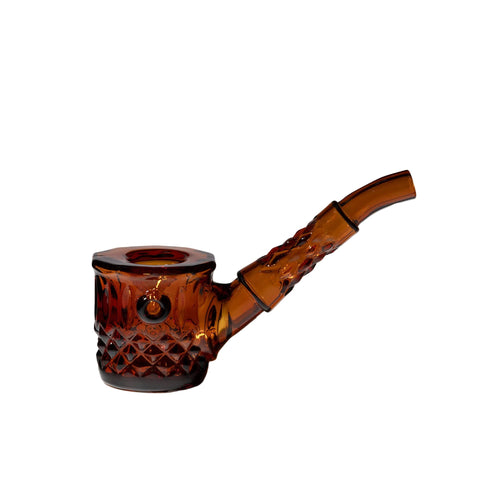
![Highball Pipe: Amber glass pipe in classic briar shape, featuring a diamond-cut textured bowl and stem, crafted from durable borosilicate glass.]()
![Highball Pipe]()
![Highball Pipe made of green-tinted, hand-blown glass with a textured stem and diamond-cut detailing, showcasing sophisticated craftsmanship for modern smoking.]()
![Hand-held Highball Pipe made of cobalt-blue glass, featuring a rounded bowl, textured body, and narrow stem; showcases hand-blown borosilicate craftsmanship with intricate detailing.]()
![Highball Pipe: Pink glass hand pipe with diamond-cut bowl, angled stem, and curved mouthpiece, crafted for smoking loose leaf herbs or tobacco.]() NEWNew arrival
NEWNew arrival -
NEWNew arrival
-
![GEAR Premium 3.75 Hand Pipe: Amber-yellow glass pipe with built-in ash catcher mouthpiece, showcasing a 24K gold decal for an elegant, compact design.]() NEWNew arrival
NEWNew arrival -
![4.5 Solid Colour Spoon pipe in iridescent glass with a rounded bowl, straight stem, carb hole, built-in ash catcher, and screen for smooth use.]() NEWNew arrival
NEWNew arrival -
![4.5 Terminator Infinity Bowl Hand Pipe - Square, featuring a geometric glass bowl with an iridescent stem, beside its branded Red EyeTek cylindrical storage container.]()
![4.5 Terminator Infinity Bowl Hand Pipe - Square, showcasing a cube-shaped bowl with angular lines, next to a branded Red Eye Tek metal storage tube.]() NEWNew arrival
NEWNew arrival -
NEWNew arrival

 NEWNew arrival
 NEWNew arrival
-
 NEWNew arrival
 -
 NEWNew arrival
 -
![Twenties Collection Hand Pipe with a clear, textured base and angled mouthpiece, crafted from durable borosilicate glass for stability and comfortable use.]()
![Twenties Collection Hand Pipe in cobalt-blue glass, features a textured bowl and long mouthpiece, designed for stability and secure grip.]() NEWNew arrival
NEWNew arrival -
![4 Terminator Hand Pipe made of iridescent borosilicate glass, featuring a spiral-textured handle, rainbow sheen, and geometric logo on the bowl.]()
![The 4 Terminator Hand Pipe features a spiral-twist grip and iridescent finish, showcasing its ergonomic design and built-in honeycomb screen for smooth use.]() NEWNew arrival
NEWNew arrival -
50% off
-
13% off
-
25% off
-
25% off
-
![Metal Dugout Grinder: four matte-black aluminum pieces including a screw-on lid, magnetic lid, one-hitter tool, and dugout box with astronaut graphic, GET LOST text.]()
![Pocket-sized Metal Dugout Grinder by GET LOST featuring a black one-hitter pipe, screw-on lid ashtray, and stash box with astronaut design.]()
![Metal Dugout Grinder featuring GET LOST lid, silkscreened astronaut case, and components for discreet storage and smoking, including a filter-tip holder and rolling tray.]() NEWUp to 25% off
NEWUp to 25% off -
NEW10% off
-
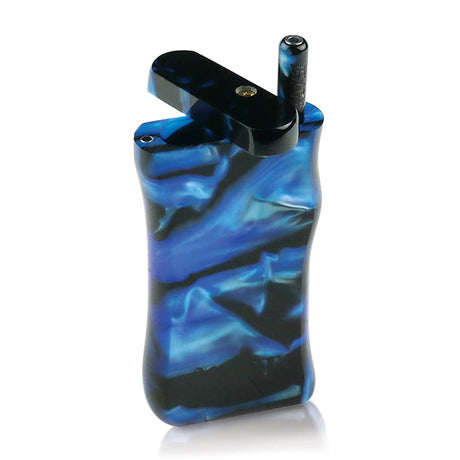
![3 Acrylic Magnetic Dugout & One Hitter, featuring a sleek design with an ergonomic grip, showcasing its compact, portable form perfect for discreet use.]()
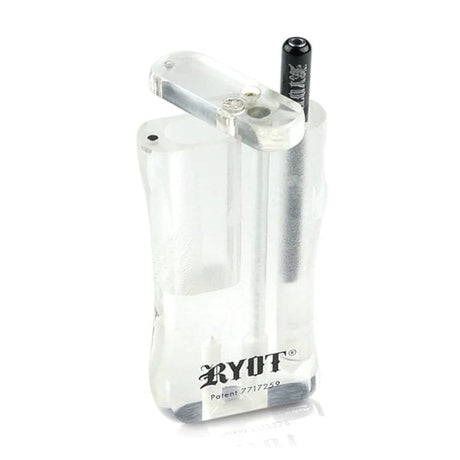
![3 Acrylic Magnetic Dugout & One Hitter features a transparent device with a black pen, showcasing its sleek design and portable smoking solution.]()
![3 Acrylic Magnetic Dugout & One Hitter shown in blue and black, featuring a sleek design, magnetic closure, and ergonomic grip for portable smoking convenience.]()
![3 Acrylic Magnetic Dugout & One Hitter showing a sleek design with a silver-capped pen, emphasizing portability and secure magnetic closure.]()
![Close-up of the 3 Acrylic Magnetic Dugout & One Hitter, showcasing its sleek design and innovative magnetic lid for secure herb storage.]() Up to 29% off
Up to 29% off -
![RYOT - Large Walnut Poker Sleeve (12-Pack)-Turning Point Brands Canada]() Up to 50% off
Up to 50% off -
30% off
-
![15mm Screens for Bongs and Pipes - Steel, showing a box containing metal pipe screens, designed to enhance smoking by preventing debris and ensuring smooth airflow.]()
![15mm Screens for Bongs and Pipes - Steel, showing a box containing metal pipe screens, designed to enhance smoking by preventing debris and ensuring smooth airflow.]() Up to 41% off
Up to 41% off -
Up to 20% off
-
Up to 40% off
-
Back in Stock
-
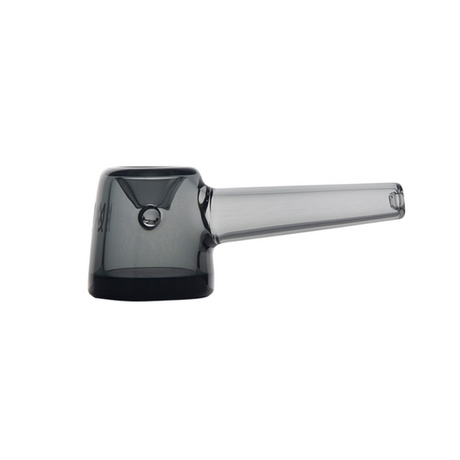
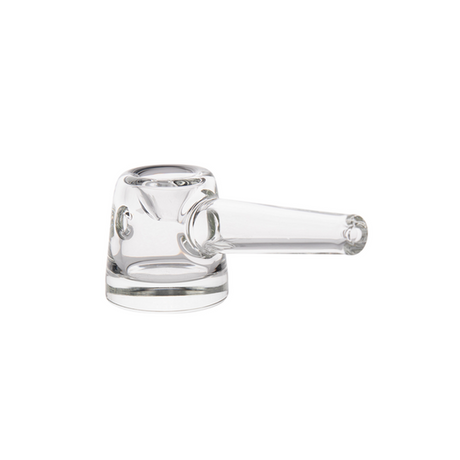
![Amber-colored Deco Hand Pipe, a sleek, glass hand-pipe with an Art Deco-inspired design, featuring a bowl and straight mouthpiece, combining elegance with functionality.]()
![Deco Hand Pipe: Sleek black smoking pipe with a small left bowl and straight stem, showcasing Art Deco-inspired geometry and elegant craftsmanship. Made from durable borosilicate glass.]()
![Green glass Deco Hand Pipe with cylindrical bowl, side carb, and straight mouthpiece, showcasing Art Deco elegance in a compact, functional design.]()
![Deco Hand Pipe in pink-tinted glass, featuring a single-hole design with a small cup for concentrates, crafted from borosilicate glass for elegance and durability.]()
![Deco Hand Pipe: A hand-held glass pipe with a translucent teal-green finish, rounded bowl, and straight mouthpiece, inspired by Art Deco elegance.]()
![Deco Hand Pipe, a transparent blue glass piece with cylindrical bowl and tubular mouthpiece, embodies Art Deco elegance and functionality for smoking enjoyment.]()
![Deco Hand Pipe: A small pink-tinted glass banger, crafted in Art Deco style, featuring a geometric bowl and stem design, perfect for vaporizing concentrates.]()
![Deco Hand Pipe in smoke-tinted glass, featuring a straight design with a cylindrical bowl and tubular mouthpiece, embodying Art Deco elegance and functionality.]() Back in Stock
Back in Stock -
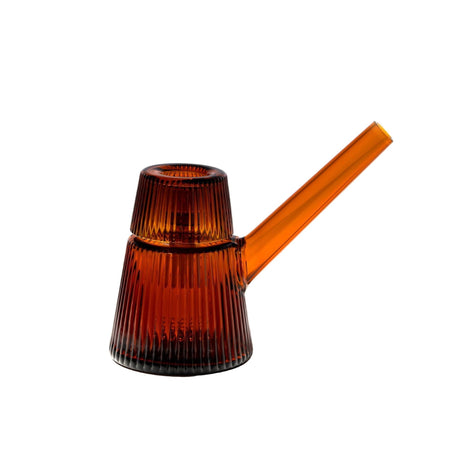
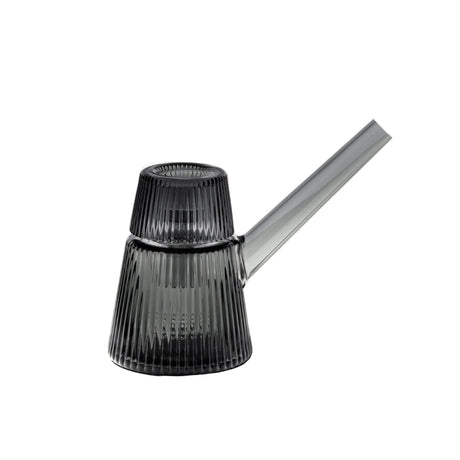
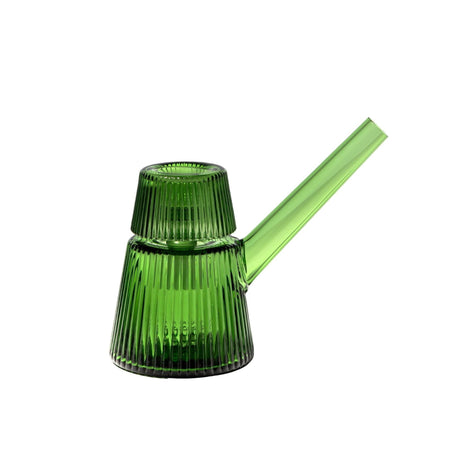
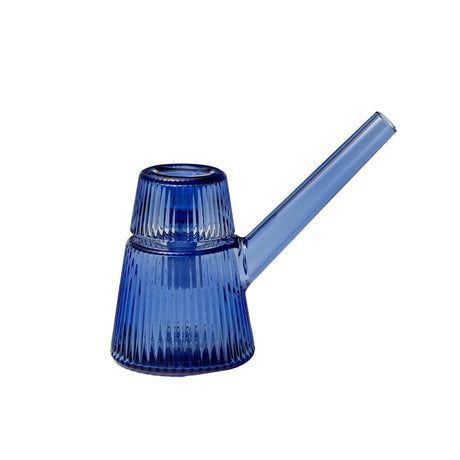
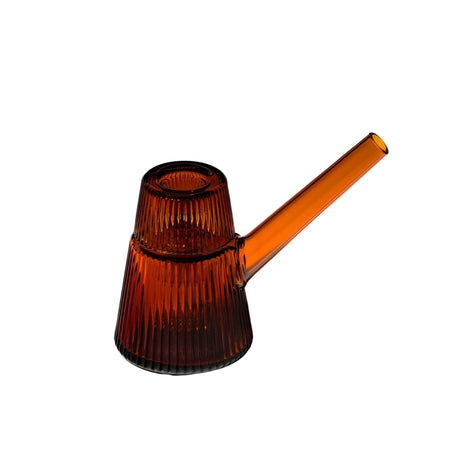
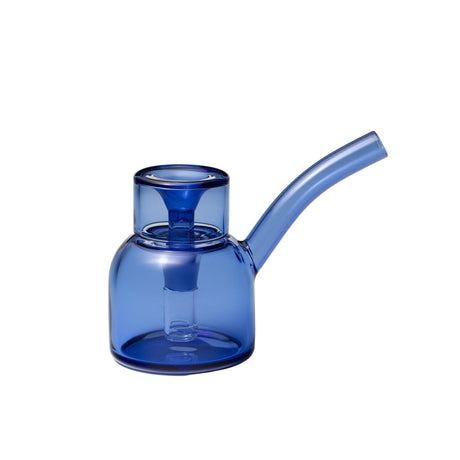
![Deco Bubbler, a ribbed, fluted glass water pipe with a straight mouthpiece and top bowl, merges vintage Art Deco style with modern functionality.]()
![Deco Bubbler: A rib-textured, green glass vessel with two conical chambers and a long spout, embodying ergonomic Art Deco elegance for refined water filtration.]()
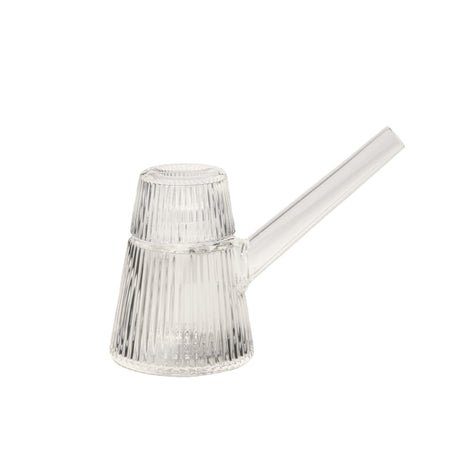
![The Deco Bubbler, a sleek glass vessel with ribbed texture and conical design, features a narrow spout and detachable components for easy cleaning.]()
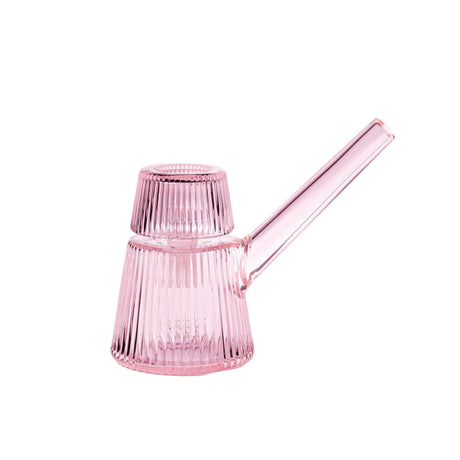
![Deco Bubbler: A sculptural pink, ribbed glass vessel with a flared base, tapered top, matching lid, and a side spout, embodying Art Deco elegance and modern precision.]()
![Deco Bubbler with ribbed glass body, straight mouthpiece; combines vintage Art Deco elegance with modern design for smooth, water-filtered smoking experience.]()
![Deco Bubbler, a translucent blue glass tabletop pipe, features ribbed conical base, ergonomic angled mouthpiece, and sculptural Art Deco design for smooth water-filtered use.]() Back in Stock
Back in Stock -
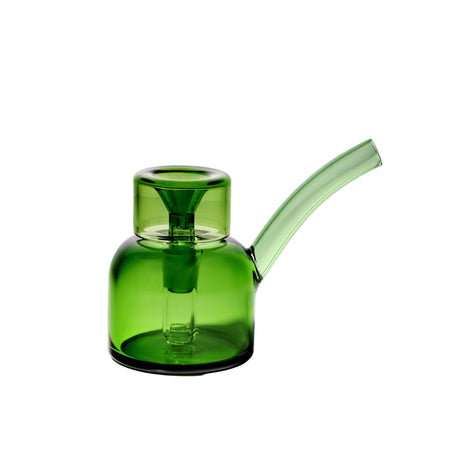
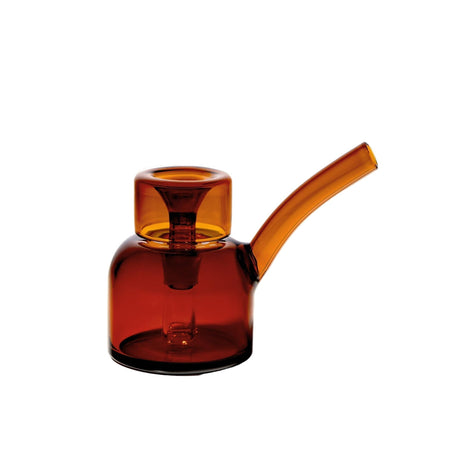
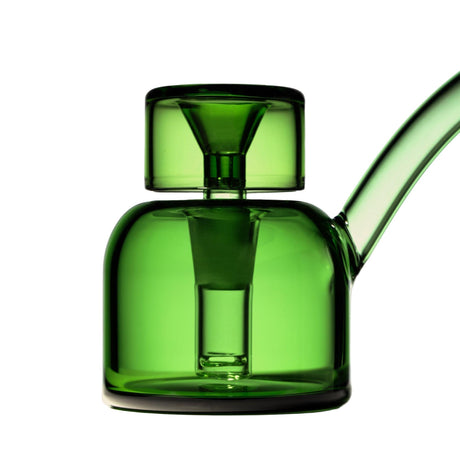
![Vesper Bubbler in amber-tinted glass with rounded base, angled mouthpiece, and bowl on top, showcasing a sleek, modern design for smooth water-filtered use.]()
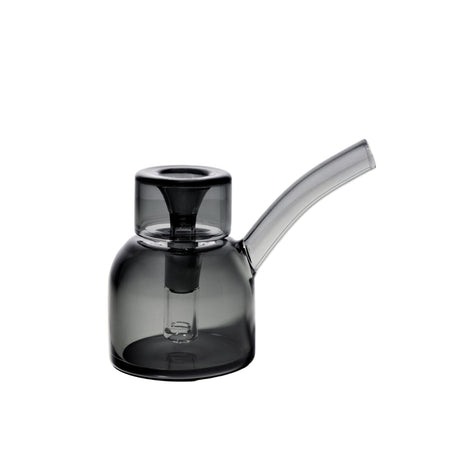
![Vesper Bubbler in smoky-gray glass features a rounded chamber, angled mouthpiece, and built-in diffuser, embodying modern elegance and functionality for smooth, water-filtered pulls.]()
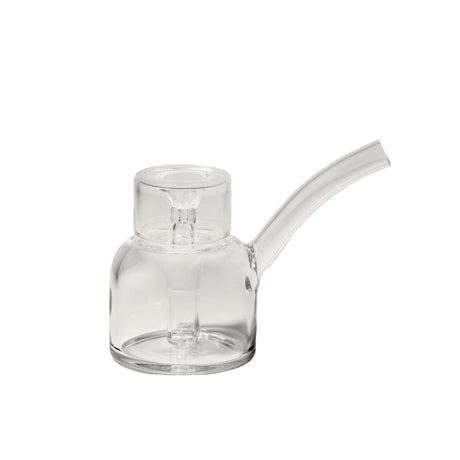
![Vesper Bubbler: A clear glass tabletop water pipe with a rounded chamber, downstem, flat bowl, and angled mouthpiece, showcasing modern elegance and functional design.]()
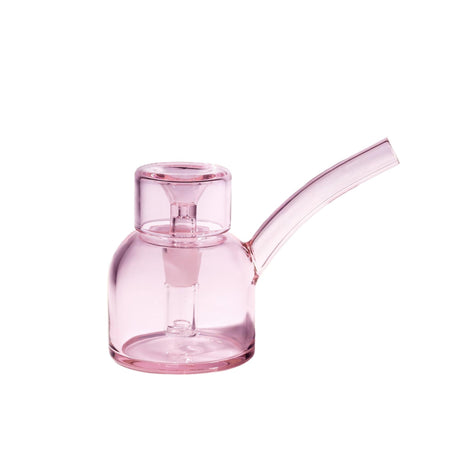
![Vesper Bubbler: A compact, all-pink glass water-pipe featuring a round chamber, internal down-stem, and angled mouthpiece, designed for elegant, smooth, water-filtered pulls.]()
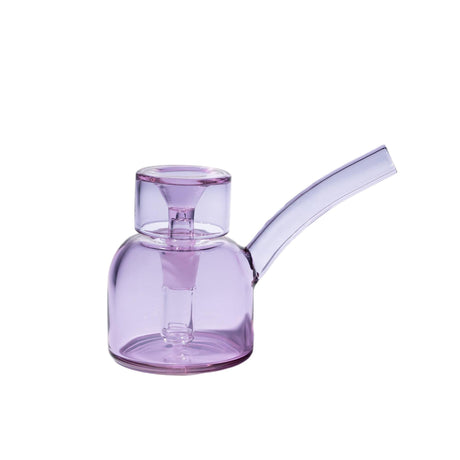
![Vesper Bubbler: A compact, purple-tinted glass water pipe with a rounded chamber, internal percolator, and angled mouthpiece, offering elegant, smooth-filtered pulls.]()
![Vesper Bubbler: A translucent blue, single-chamber glass water pipe with a round base, curved mouthpiece, and detachable bowl for elegant tabletop use.]() Back in Stock
Back in Stock -
-
best seller
-
![Gemstone Pipe with a central hole, designed for style and quality, featuring a removable mesh bowl and built-in choke for smooth draws.]()
![Gemstone Pipe - stylish and detailed, features a marbled design with a removable mesh bowl, enhancing the smoking experience for style-conscious users.]()
![Gemstone Pipe featuring a colorful rectangular design with a hole, showcasing a close-up of its removable mesh bowl for enhanced smoking experience.]()
-
-
-
![Glass Pipe - Frosted Teardrop Spoon, a durable borosilicate glass pipe with teardrop design and stable feet, for an elegant smoking experience.]()
![Glass Pipe - Frosted Teardrop Spoon, featuring a sleek teardrop design with stable feet for anti-roll, crafted from durable borosilicate glass for a refined smoking experience.]()
![Glass Pipe - Frosted Teardrop Spoon, showcasing a sleek teardrop design in durable borosilicate glass, featuring stable feet for enhanced stability and functionality.]()
-
![Prism Ceramic Pipe with a black circle on white surface, ergonomic design, spacious chamber, enhancing airflow for a smooth, artistic smoking experience.]()
![Prism Ceramic Pipe, a red triangle-shaped piece with holes, features an ergonomic design for optimal airflow and smooth smoke, enhancing the smoking experience.]()
-
![Polygon Ceramic Bubbler featuring ergonomic design, oversized chamber, and ceramic bowl for enhanced smoking experience.]()
![Polygon Ceramic Bubbler with ergonomic design, black triangle logo, and oversized chamber. Enhances airflow for smoother smoke and unique cannabis experience.]()
-
-
-
-
-
-
-
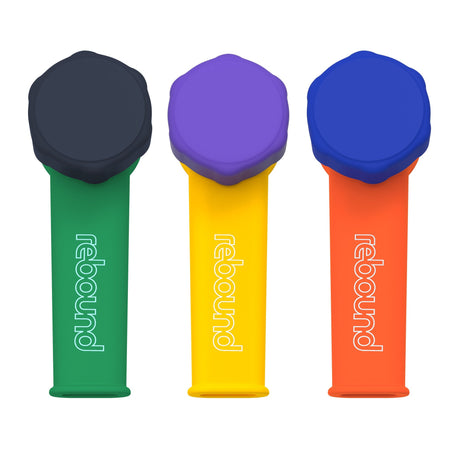
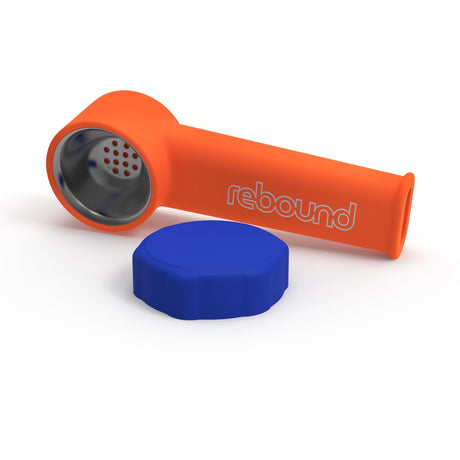
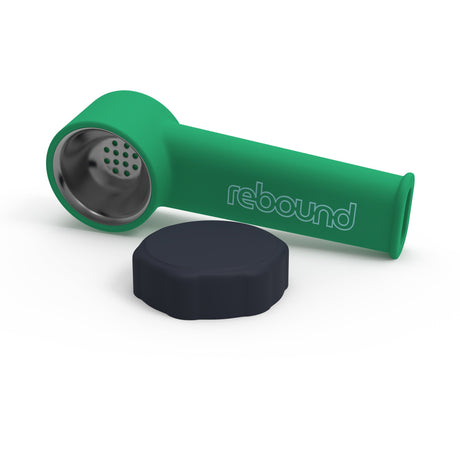
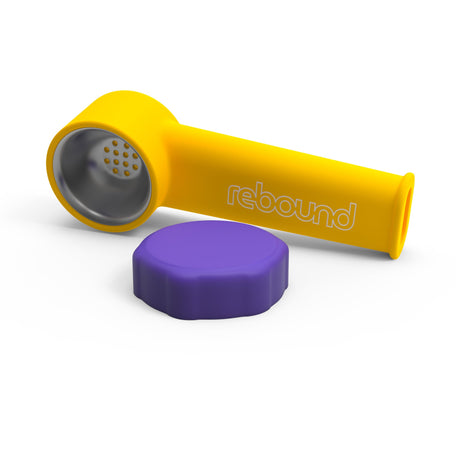
![3 Silicone Pipe - 12 units; close-up of durable, shatterproof silicone hand pipes with metal bowls, ideal for portable, resilient smoking sessions.]()
![3 Silicone Pipe - 12 units; features durable, shatterproof silicone design with a metal bowl, ideal for on-the-go smoking.]()
![3 Silicone Pipe - 12 units, featuring shatterproof design and metal bowl, ideal for durability and portability in smoking accessories.]()
-
![4 Silicone Pipe - First Edition - 6 units, featuring durable, shatterproof silicone construction with a glass bowl for a reliable smoking experience.]()
![4 Silicone Pipe - First Edition, showcasing a shatterproof, durable design with a close-up of its unique silicone construction and integrated glass bowl.]()
![4 Silicone Pipe - First Edition - 6 units, featuring durable, shatterproof silicone design with glass bowl, ideal for portable and stylish smoking experiences.]()
-


















Material Is the Real Decision When Buying Hand Pipes
Glass looks great and cleans up easily, but it's not the only option here, and for a lot of people it's not even the right one. Borosilicate spoons and sherlocks from brands like Human Grade, Red Eye Glass, and NWTN HOME handle heat well and show off colour work that cheaper glass can't pull off, but if you're rough on your gear, silicone or titanium will outlast glass every time without question. The material you pick determines how the piece feels in your hand, how it holds up to drops, and how much maintenance you're signing up for. Smoke & Vape carries pipes across all of those materials so you're choosing based on how you actually use a pipe, not just what looks good in a photo.
| Product | Best For | Why We'd Recommend It | One Thing to Know |
|---|---|---|---|
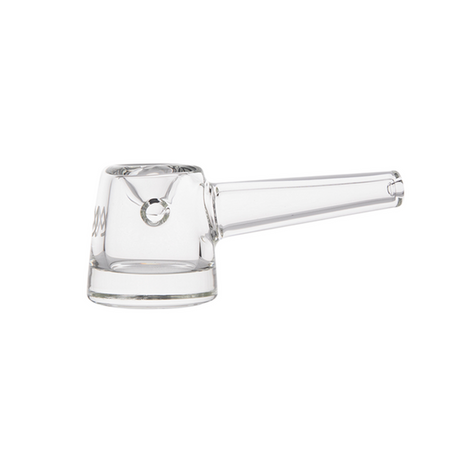
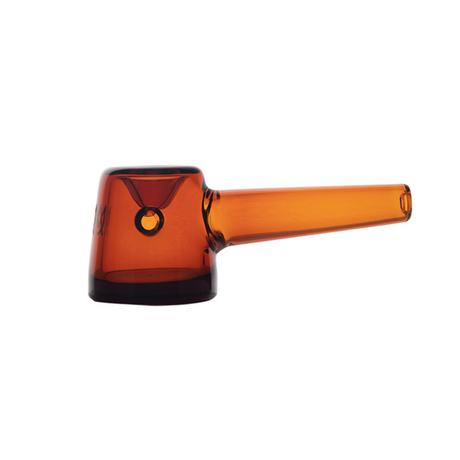
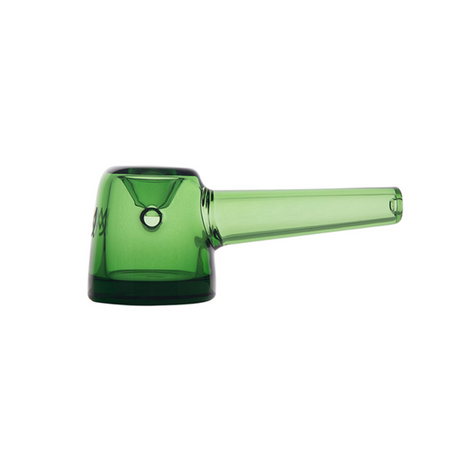
 NWTN HOME Highball Pipe |
Someone who wants a glass pipe that looks like an object worth keeping, not just a smoking tool | The hand-blown borosilicate body with diamond-cut detailing comes in five colours, so you're picking something you'll actually want on your shelf. | The angled stem and cylindrical bowl make this a piece to handle with some care, not one to toss in a bag. |
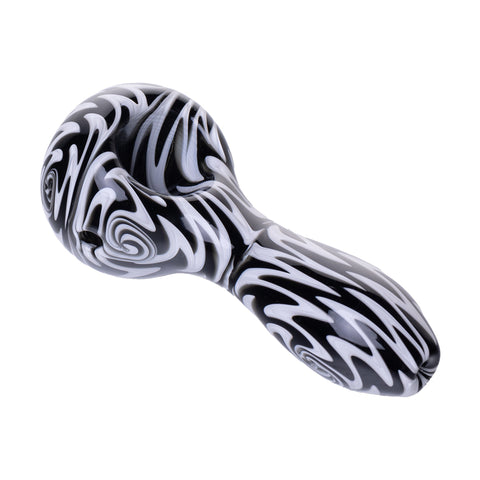 Human Grade Spoon Pipe Model A - Wig Wag |
Someone who wants a borosilicate spoon with colour work that's genuinely distinct from mass-produced glass | The wig wag pattern is done during the blow, not painted on, so the black and white swirl is part of the glass itself. | It's a spoon, so it won't sit flat between hits the way a pipe with a flat base would. |
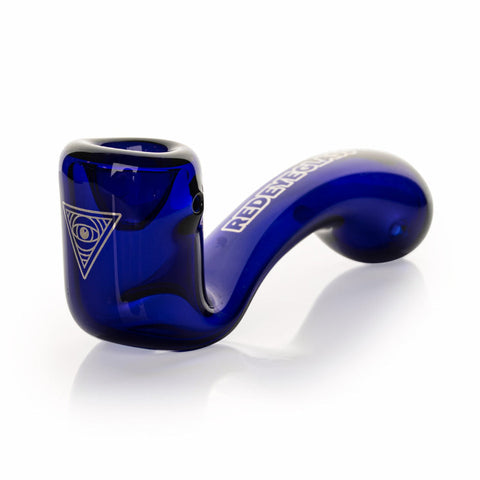 Red Eye Glass 5" Sherlock Hand Pipe |
Someone who wants a sherlock shape that's comfortable to hold and comes in a colour-changing option | The curved stem puts the bowl at a natural angle in your hand, and the colour-changing version shifts with use over time. | At 5 inches with a curved body, it's not a pocket pipe, you'll want to carry it in a case or bag. |
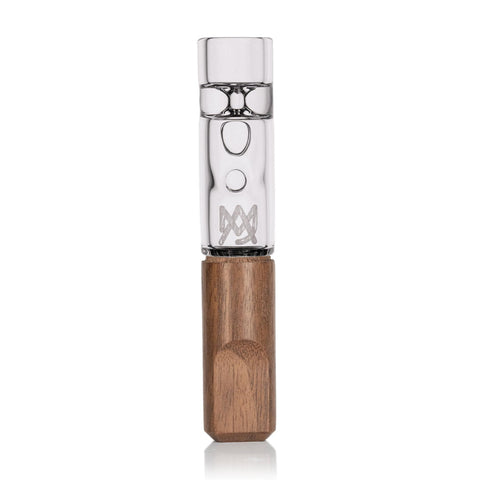 MJ Arsenal Ridge Chillum - Alpine Collection |
Someone who wants the smallest possible format and doesn't need a carb | The walnut handle and glass mouthpiece with airflow baffles make this the most compact, carry-anywhere option in the lineup. | No carb means less airflow control than a spoon, which takes some adjustment if you're used to one. |
Shape is what actually splits these. The Highball and Sherlock are both about form and feel in the hand, with the Highball leaning toward display-worthy and the Sherlock toward everyday comfort. If you want a classic spoon with colour work that holds up, the Human Grade Wig Wag is the one. The Ridge Chillum is its own category entirely, go that route if small and simple is the whole point.
What Hand Pipes Are Actually Made Of and Why It Changes Everything
Bowl shape and stem length get most of the attention, but the material underneath determines how a pipe hits, how long it lasts, and how much work you'll put into keeping it clean. This guide covers what those material differences actually mean in practice, how pipe shape affects airflow and control, and what most people get wrong when they're buying their first (or fifth) hand pipe.
Why Borosilicate Glass Behaves Differently From Regular Glass
Not all glass pipes are made from the same material, and the difference matters more than most people expect. Borosilicate glass has a lower coefficient of thermal expansion than standard glass, which means it expands and contracts less when it heats up and cools down. That thermal stability is why it doesn't crack from repeated use the way cheaper glass does, and it's why brands like NWTN HOME, Human Grade, and Red Eye Glass build with it. The tradeoff is that borosilicate still breaks on impact, it's just more resistant to heat stress, not to being dropped on tile.
What a Carb Hole Actually Does to Your Hit
Most people know you cover the carb and release it at the end of a hit, but fewer understand why that changes anything. When you cover the carb, you're drawing air exclusively through the bowl, which pulls combustion through the herb and fills the pipe's chamber with smoke. When you release it, fresh air rushes in and clears that smoke from the chamber in one breath, which makes the hit feel bigger and more complete. Pipes without a carb, like the MJ Arsenal Ridge Chillum - Alpine Collection, don't give you that control: the airflow is fixed, so you're drawing directly through the material the whole time. That's a simpler experience, but it takes adjustment if you've been using spoons or sherlocks.
How Pipe Shape Changes Where the Heat Goes
The curve in a sherlock isn't just aesthetic. A longer, curved stem like the one on the Red Eye Glass 5" Sherlock Hand Pipe puts more distance between the bowl and your mouth, which gives the smoke more room to cool before it reaches you. A straight, compact chillum delivers smoke with almost no travel distance, so it hits hotter and more directly. Spoon pipes sit in the middle: the bowl is offset from the mouthpiece, but the path is short enough that the smoke stays warm. Most people assume a cooler hit requires water filtration, but stem length and travel distance do real work on temperature before you ever add water to the equation.
What Colour-Changing Glass Is and Why It Happens
Colour-changing glass isn't a coating or a finish applied after the pipe is made. It's borosilicate glass that's been worked with silver and gold fuming during the blow, where vaporized metal particles bond to the inside of the glass at the molecular level. Over time, resin from use builds up on that fumed interior surface, and the way light passes through the resin and the metal layer shifts the visible colour. The Red Eye Glass 5" Sherlock Hand Pipe comes in a colour-changing version for exactly this reason: a clear or amber pipe when new will shift toward greens, purples, and blues with use. The change is a byproduct of the pipe doing its job, not a feature that wears off.
Why Titanium Handles Heat Differently Than Glass or Silicone
Titanium conducts and dissipates heat faster than glass, which means the bowl cools down more quickly between hits rather than staying hot and continuing to combust your material. That's not just a comfort thing: slower cooling in glass means your herb keeps burning after you've stopped drawing, which wastes material. Silicone, by contrast, is heat resistant but doesn't dissipate heat the same way, it insulates more than it conducts. The Dangle Supply Ti Cobb Titanium Pipe is built around that heat dissipation property, and it's the reason titanium pipes are worth considering if you're hard on gear or want something that'll take drops without any concern.
Frequently Asked Questions
What's the difference between a spoon pipe and a chillum?
The most practical difference is airflow control. A spoon pipe has a carb hole on the side of the bowl, which lets you manage how smoke moves through the chamber and when it clears. A chillum is a straight tube with no carb: air flows in through the bowl and out through the mouthpiece in one direct path, and you don't get to interrupt that. If you've been using a spoon and you pick up a chillum for the first time, the fixed airflow feels noticeably different, not worse, just less adjustable.
Shape and size follow from that functional difference. Spoon pipes have an offset bowl, a wider body, and usually a more pronounced chamber between the bowl and the mouthpiece. That extra space gives the smoke a moment to collect before you clear it. Chillums are compact and linear, which is exactly why something like the MJ Arsenal Ridge Chillum - Alpine Collection fits so easily in a pocket or a small bag. The walnut handle and glass mouthpiece on that one make it feel more refined than a basic glass tube, but the format is still fundamentally simple and minimal.
Which one suits you depends on what you want from the experience. If you like having control over your draw and prefer a fuller hit at the end of each pull, a spoon is the more intuitive choice. If you want something small, uncomplicated, and easy to carry, a chillum removes everything that isn't strictly necessary. Neither is better in an absolute sense; they just suit different habits.
What pipe shape is easiest to use one-handed?
A spoon pipe is generally the most practical shape for one-handed use. The bowl sits naturally under your thumb or index finger, the carb falls where your other fingers rest along the body, and the mouthpiece points straight toward your face without requiring you to angle your wrist. You can load, cover the carb, light, and clear the hit without needing a second hand to stabilize anything. It's the reason the spoon shape has stayed as common as it has: it just fits the hand well.
Sherlocks are a different story. The curved stem on something like the Red Eye Glass 5" Sherlock Hand Pipe looks comfortable, and in some ways it is, but the bowl sits at an angle that makes it harder to light without tilting the pipe. If you're using a lighter with one hand and holding the pipe with the other, that's fine. If you're trying to do both with one hand, the geometry works against you. Sherlocks are better suited to a relaxed, two-handed hold where you can let the curve do its job.
Chillums are technically one-handed, but they require you to hold the pipe and the lighter at the same time while keeping the tube level enough that your material doesn't shift. The MJ Arsenal Ridge Chillum - Alpine Collection's walnut handle gives you a solid grip point, which helps, but you're still managing more variables than you would be with a spoon. If genuine one-handed ease is the priority, a well-proportioned spoon like the Human Grade Spoon Pipe Model A - Wig Wag is the most forgiving format to work with.
How do I stop sucking ash or crumbs through the pipe?
The most common cause is packing the bowl too loosely with finely ground material. When herb is ground very fine and the bowl isn't packed with any structure, the draw pulls small particles straight through the hole at the bottom of the bowl and into your mouth. A coarser grind helps, but the more reliable fix is to place a small piece of less-ground material at the very bottom of the bowl before adding anything finer on top. That bottom layer acts as a loose filter and keeps the finer stuff from getting pulled through.
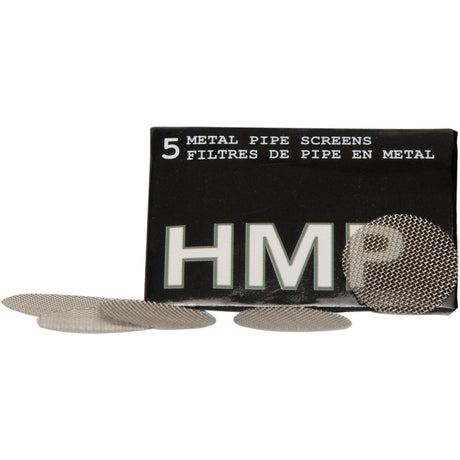
Screens are the more deliberate solution. A small metal or glass screen sits at the base of the bowl and physically blocks ash and crumbs from passing through. They're inexpensive and work consistently, and if you're finding that the structural packing method isn't cutting it, a screen is the next step. The tradeoff is that screens need to be cleaned or replaced periodically, and a clogged screen can actually restrict airflow more than no screen at all.
Draw speed matters more than most people realize. A slow, steady pull gives combustion time to happen at the bowl rather than pulling half-burned material through the pipe. A fast, hard draw creates enough suction to pull loose ash through even a well-packed bowl. If you're getting crumbs consistently and you've already adjusted your pack, try drawing more slowly and see if that changes things before reaching for a screen.
How often do you need to clean a glass pipe for it to taste good?
Honestly, more often than most people clean theirs. Resin builds up on the interior walls of a glass pipe after every session, and once it starts to accumulate, it affects the flavour of every subsequent hit. Fresh herb through a clean pipe tastes noticeably different from the same herb through a pipe that hasn't been cleaned in a week. The resin itself has a harsh, slightly bitter quality that layers onto the smoke and dulls whatever you're actually trying to taste.
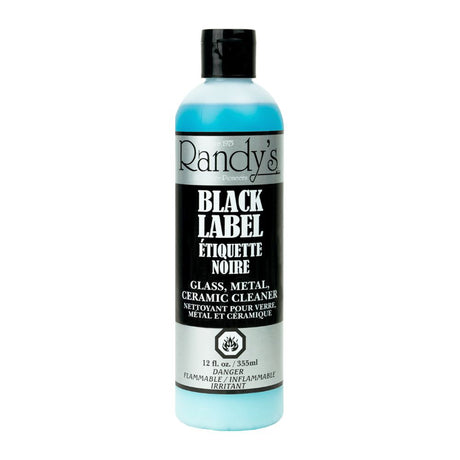
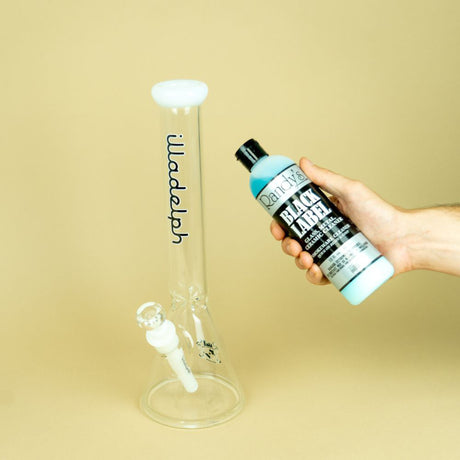
A light clean every few sessions is enough to keep things tasting reasonably fresh. That doesn't have to mean a full isopropyl soak every time: running a pipe cleaner through the stem and wiping the bowl out after it cools can extend how long the pipe tastes clean between deeper cleans. The deeper clean, where you soak the whole piece and clear out the built-up resin in the chamber, is something most regular users end up doing every one to two weeks depending on how heavily the pipe gets used.
Glass makes this easier than most other materials because you can see the resin building up and judge for yourself when it's time. Borosilicate pipes like the NWTN HOME Highball Pipe or the Human Grade Spoon Pipe Model A are also non-porous, so resin sits on the surface rather than soaking into the material, which means a proper soak actually gets you back to clean rather than just cleaner. If you're someone who cares about flavour, cleaning frequency is the single biggest variable you control.
Do I need a screen for a hand pipe?
You don't need one, but there are situations where having one makes a real difference. Whether a screen is worth it depends mostly on the pipe you're using and how you pack it. Pipes with a smaller bowl hole are more prone to pulling through ash and fine material, and if you're grinding your herb finely, a screen gives you a physical barrier that packing technique alone can't fully replicate.
That said, plenty of people use hand pipes without screens and never find it to be a problem. The Human Grade Spoon Pipe Model A - Wig Wag, for example, has a standard spoon bowl where a thoughtful pack, coarser grind on the bottom layer, finer on top, handles most of the ash issue without any additional hardware. Sherlocks like the Red Eye Glass 5" Sherlock Hand Pipe tend to have slightly more bowl depth, which also helps keep material from getting pulled through too easily.
Where screens become more genuinely useful is with chillums. The MJ Arsenal Ridge Chillum - Alpine Collection is a straight-draw pipe with no carb and a direct airflow path, which means there's less to slow down ash before it reaches your mouth. A screen in the bowl of a chillum does more functional work than in most spoon setups. If you're going that route, glass screens tend to be easier to clean and don't affect flavour the way some metal screens can after extended use. Metal screens are more durable but may impart a faint metallic note when they're new, which fades after a few uses.