HoneyStick Vaporizers, Dab Pens, Vape Pens and Batteries
HoneyStick has been quietly doing the work that flashier brands get credit for. Medical-grade materials, tight engineering, and hardware that holds up after months of daily use. Their dab pens hit cleanly without the burnt taste you get from cheaper coils, and their electric dab rigs bring session-level performance into a portable form. The 510-thread batteries are compatible with most cartridges on the market and built to last longer than the cart itself. If you use concentrates, oils, or dry herb regularly, HoneyStick is worth knowing. At Smoke & Vape, we carry the full lineup with free shipping over $49 anywhere in Canada and a 30-day satisfaction guarantee.
HoneyStick Vaporizers, Dab Pens, Vape Pens and Batteries
HoneyStick has been quietly doing the work that flashier brands get credit for. Medical-grade materials, tight engineering, and hardware that holds up after months of daily use. Their dab pens hit cleanly without the burnt taste you get from cheaper coils, and their electric dab rigs bring session-level performance into a portable form. The 510-thread batteries are compatible with most cartridges on the market and built to last longer than the cart itself. If you use concentrates, oils, or dry herb regularly, HoneyStick is worth knowing. At Smoke & Vape, we carry the full lineup with free shipping over $49 anywhere in Canada and a 30-day satisfaction guarantee.

![HoneyStick HRB+ Dry Herb Vaporizer, pen-style with digital display showing 420°F, battery status; features mouthpiece, control buttons, ceramic heating chamber.]()
![HoneyStick HRB+ Dry Herb Vaporizer with OLED display, ceramic heating chamber, temperature controls, magnetic mouthpiece, and USB C charging port.]()
![HoneyStick HRB+ Dry Herb Vaporizer with OLED display, ceramic heating chamber, adjustable temperature, magnetic mouthpiece, and USB C charging port for portable use.]()
![HoneyStick HRB+ Dry Herb Vaporizer, pocket-sized with OLED display, mouthpiece, firing button, and adjustable temperature control for vaporizing dry herbs efficiently.]() NEWNew arrival
NEWNew arrival 27% off
-
![Twist 510 Thread Battery, a black cylindrical device with gold trim, includes a USB charger and 500mAh capacity for versatile vaping needs.]()
![510 Variable Voltage Twist Battery - Blue-Turning Point Brands Canada]()
![Close-up of the Twist 510 Thread Battery vape pen, featuring a sleek design, compatible with a USB charger for optimal performance and longevity.]()
![Twist 510 Thread Battery with logo, featuring variable voltage and preheat functions, includes a 0.5ml refillable cartridge and USB charger.]()
![510 Variable Voltage Twist Battery - Multicolor-Turning Point Brands Canada]()
![510 Variable Voltage Twist Battery - Red-Turning Point Brands Canada]()
![510 Variable Voltage Twist Battery - Silver-Turning Point Brands Canada]() Up to 25% off
Up to 25% off -
36% off
-
25% off
-
50% off
-
![Interactive Concealer 510 Battery - Multicolor (Carton of 10): Sleek, buttonless vape pen with a black lid, compatible with 510 thread cartridges, featuring a discrete design.]()
![Interactive Concealer 510 Battery - Multicolor: Compact black vaporizer with built-in mouthpiece, buttonless draw-activation, fits 510 cartridges, featuring an interactive display for easy vaping control.]()
![HoneyStick Interactive Concealer 510 Battery in glossy black with a honeycomb pattern, featuring a top mouthpiece, designed for 510 cartridges.]() Up to 15% off
Up to 15% off -
![Clear Concealer 510 Thread Battery in a plastic package, featuring 15 units with 400mAh capacity, USB-C charging, and four variable voltage settings for versatile vaping.]()
![Clear Concealer 510 Thread Battery - 15 units in a sleek, green and black package, designed for versatile vaping with USB-C charging and multiple voltage settings.]()
![Clear Concealer 510 Thread Battery, shown as a sleek plastic device, compatible with various vape cartridges, featuring USB-C charging and adjustable voltage settings.]()
![Clear Concealer 510 Thread Battery, a compact vape battery for 510 cartridges, featuring USB-C charging and variable voltage settings, visible in a sleek container design.]()
![Clear Concealer 510 Thread Battery - 15 units, packaged in plastic, features USB-C charging, draw-activation, and compatibility with 0.5ml to 2.0ml cartridges.]() Up to 36% off
Up to 36% off -
![Twist 510 Thread Battery Push-Button & AutoDraw, packaged. Ideal for vapers, featuring dual activation, variable voltage, and USB-C rapid charging, 15 units included.]()
![Twist 510 Thread Battery Push-Button & AutoDraw, packaged; features include variable voltage, USB-C charging, and 650mAh capacity for diverse vaping preferences.]()
![Twist 510 Thread Battery Push-Button & AutoDraw packaging, showcasing dual activation and USB-C rapid charging feature, designed for vapers' convenience and compatibility.]()
![Close-up of the Twist 510 Thread Battery featuring a user-friendly twist knob for voltage adjustment, compatible with various vape cartridges, highlighting its push-button and autodraw features.]()
![Twist 510 Thread Battery Push-Button & AutoDraw in packaging, showcasing its compatibility and variable voltage features for versatile vaping experiences.]() Up to 32% off
Up to 32% offHoneyStick
Twist 510 Thread Battery Push-Button & AutoDraw
From $1291 CAD$1899Unit price /Unavailable -
![Box Clear Concealer 510 Thread Battery displayed in packaging, featuring a sleek, striped design. Includes digital display and voltage settings for customizable vaping.]()
![Box Clear Concealer 510 Thread Battery, shown in packaging, features voltage settings and digital display for customizable vaping. Includes 15 assorted units for versatile use.]()
![Box Clear Concealer 510 Thread Battery, showcasing an innovative design with digital display, part of a 15-unit collection for versatile vaping.]()
![Box Clear Concealer 510 Thread Battery - 15 units, featuring a sleek design with digital display and customizable voltage settings for versatile vaping experiences.]()
![Box Clear Concealer 510 Thread Battery - 15 units displayed in assorted packaging, highlighting its compact design and innovative features for enhanced vaping experiences.]() Up to 36% off
Up to 36% off -
50% off
-
19% off
-
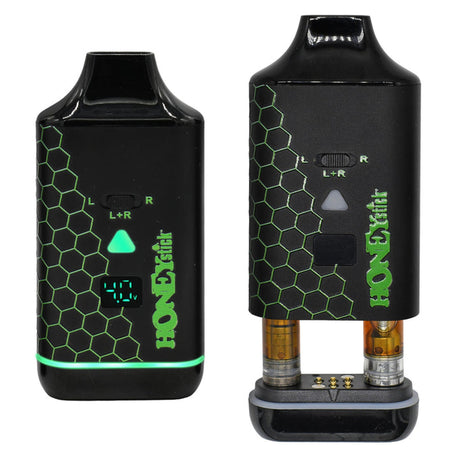
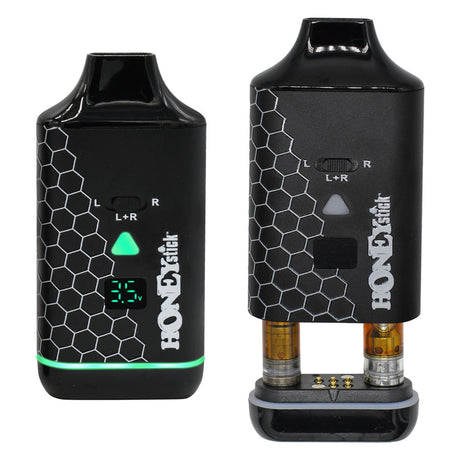
![DUO Cartridge 510 Thread Battery, a sleek electronic device for dual 510 cartridges, featuring USB-C charging and versatile compatibility for vaping enthusiasts.]()
![DUO Cartridge 510 Thread Battery featuring a sleek black design with green accents, showcasing dual 510 cartridge slots for versatile vaping experiences.]() Up to 21% off
Up to 21% off -
25% off
-
20% off
-
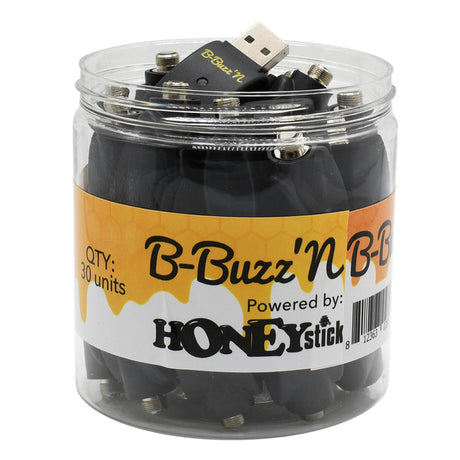
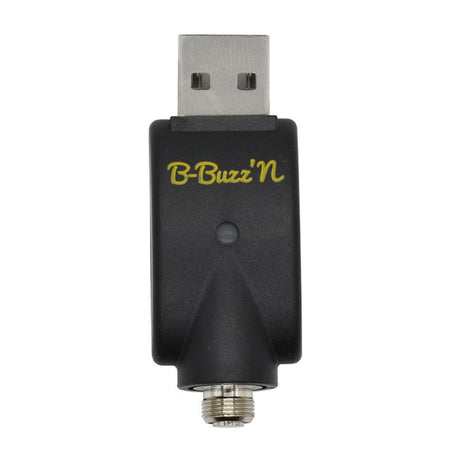
![USB Charger - Pack of 30: A close-up of a black USB adapter for 510 thread vape pen batteries, featuring yellow writing, ideal for replacement or upsell.]() Up to 33% off
Up to 33% off -
25% off
-
50% off
-
-
![Digital 510 Thread Battery with black metal body, single push-button, LED display showing 4.2 V, and 510 fitting for cartridges; USB-C charging.]()
![Digital 510 Thread Battery, slim cylindrical with a rainbow chrome finish, features a push-button, OLED readout, spring-loaded 510 connector, and USB-C charging.]()
![Digital 510 Thread Battery, slim pen-style with push-button, digital display showing voltage and battery level, designed for 510 cartridges, offers precise voltage adjustment.]()
![Digital 510 Thread Battery, a slim pen-style vaporizer with a single button, OLED screen, 510-thread compatibility, adjustable voltage, and USB-C charging.]()
![Digital 510 Thread Battery, slim cylindrical design with button and digital display, featuring voltage adjustment and USB-C rapid charging for versatile vaping.]()
![Digital 510 Thread Battery with a slim design, push-button switch, LED readout for voltage/battery level, and USB-C rapid charging for 510 cartridges.]()
![Digital 510 Thread Battery, slim pen-style with single button and digital display for voltage and battery level, designed for 510 thread cartridges.]()
-
-
-
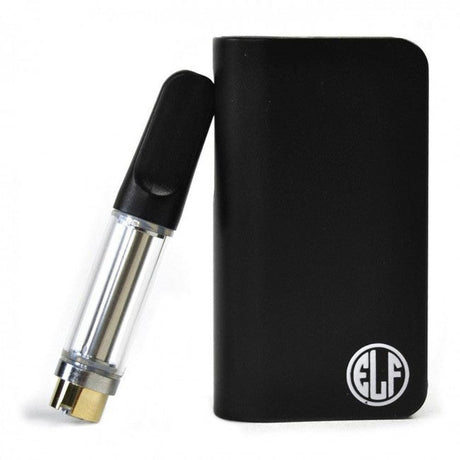
![Elf 510 Thread Variable Voltage Battery - Blue-Turning Point Brands Canada]()
![Elf 510 Thread Variable Voltage Battery - Green-Turning Point Brands Canada]()
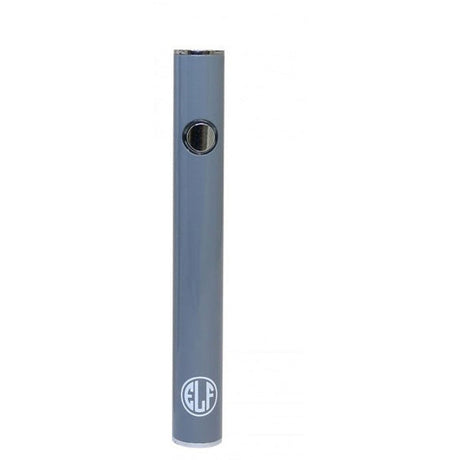
![Elf 510 Thread Variable Voltage Battery - Grey-Turning Point Brands Canada]()
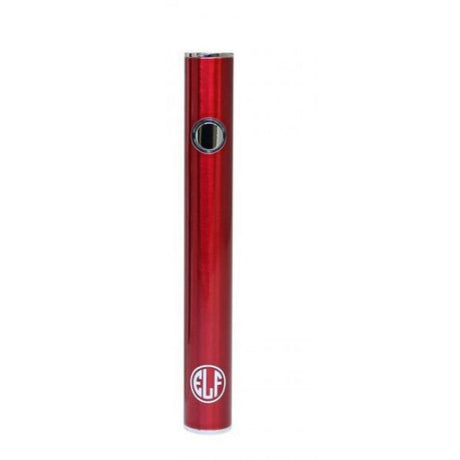
![Elf 510 Thread Variable Voltage Battery - Red-Turning Point Brands Canada]() Buy 2, Get 1 Free
Buy 2, Get 1 Free -
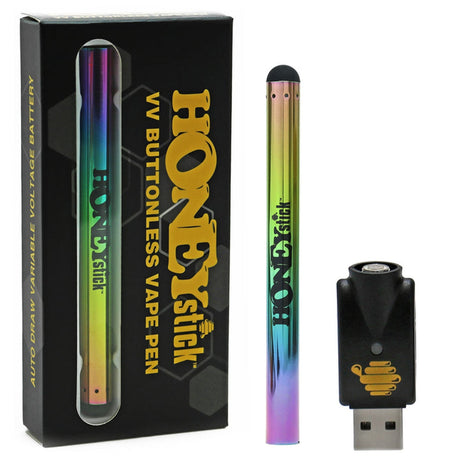
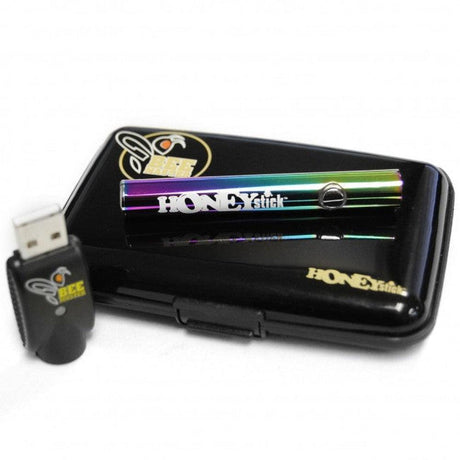
![HoneyStick Button-Less Vape Pen Battery - Multicolor-Turning Point Brands Canada]()
-
-
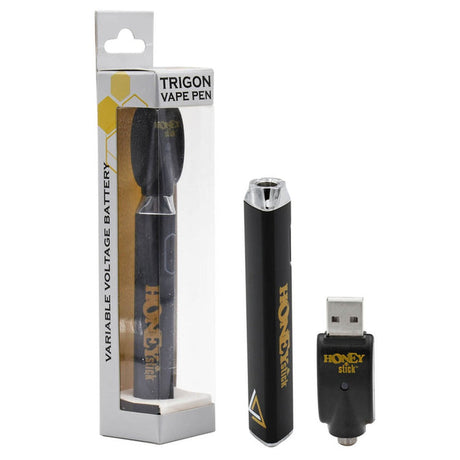
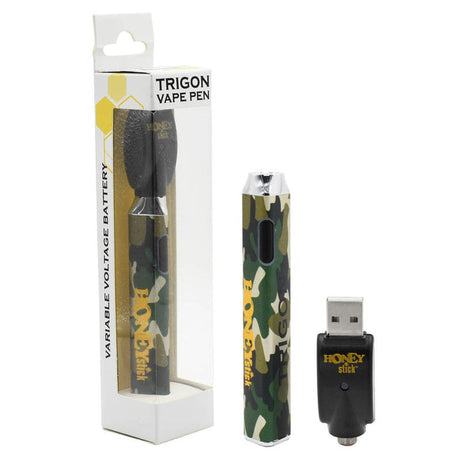
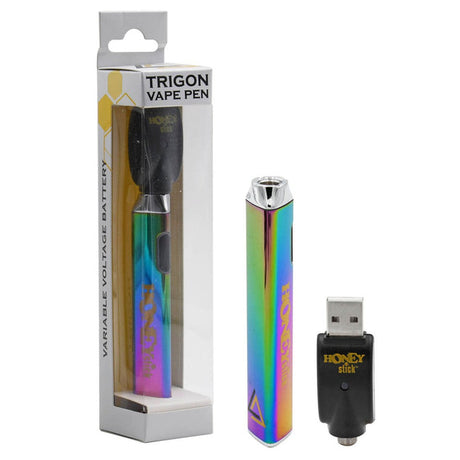
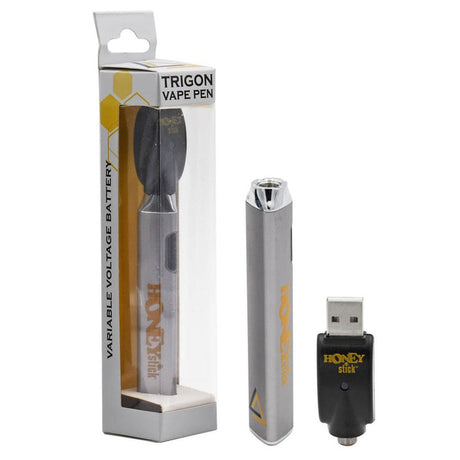
![Close-up of the Trigon 510 Thread Battery, showcasing its unique triangular design and compact form, emphasizing its innovative and functional structure for vaping.]()
![Trigon 510 Thread Battery, a sleek triangular device with user-friendly button, designed for stability and high performance, offering customizable vaping experience.]()
![Trigon 510 Thread Battery close-up, featuring unique triangular design, yellow text, and compact build. Ideal for extended vaping sessions with customizable settings.]()
-
-
-
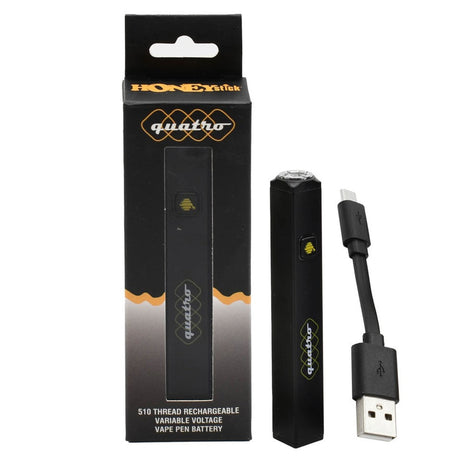
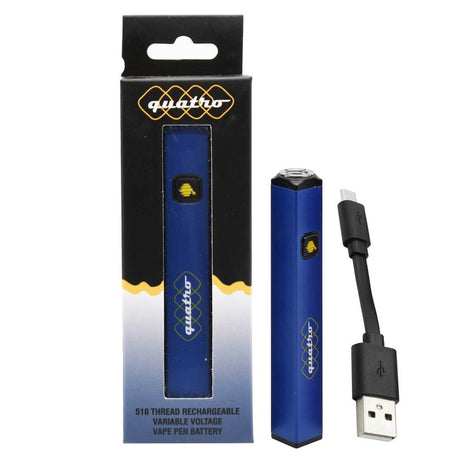
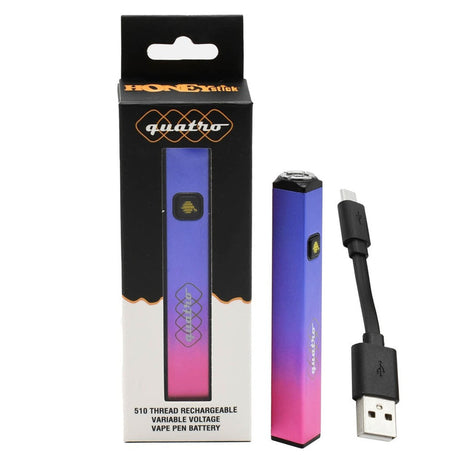
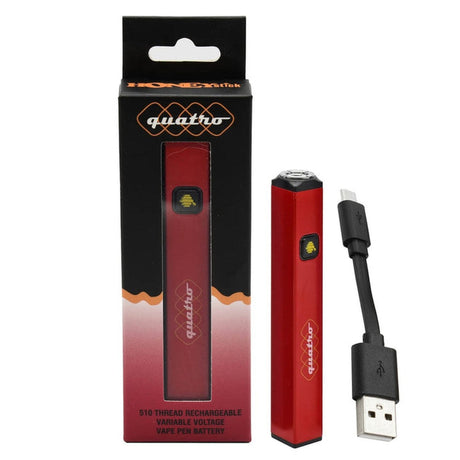
![Quatro 510 Thread Battery with USB cable, cube shape for stability, designed for vaping, featuring micro USB port for convenient recharging.]()
![Quatro 510 Thread Battery shown with a cube shape, USB cable, and rechargeable battery, emphasizing stability and functionality for vaping enthusiasts.]()
![Quatro 510 Thread Battery, red rectangular device, USB cable included; cube shape for stability and grip, ideal for enhanced vaping experience.]()
-
-


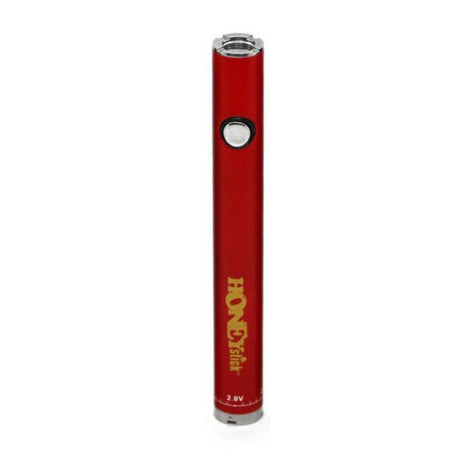
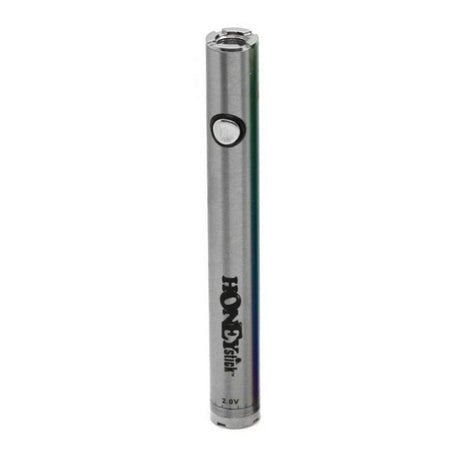
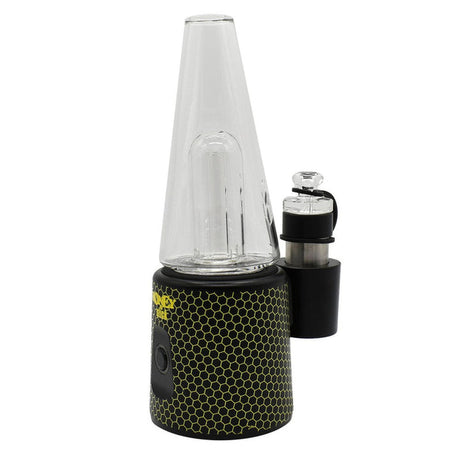
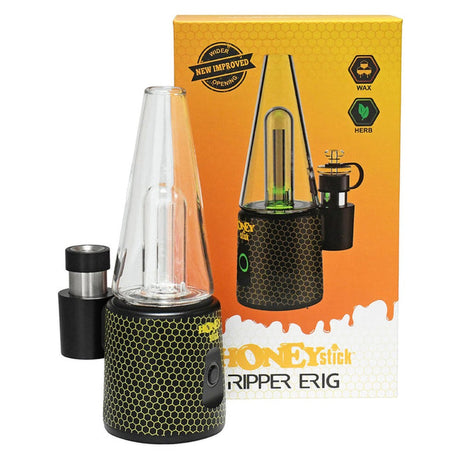

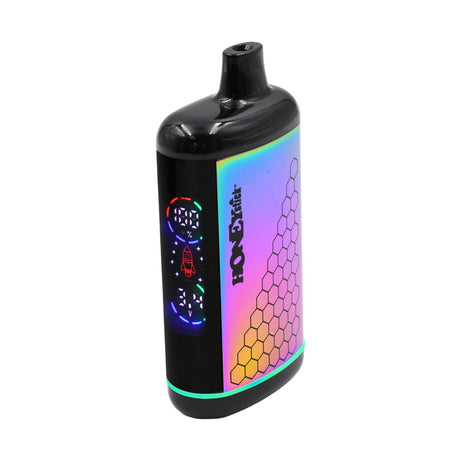
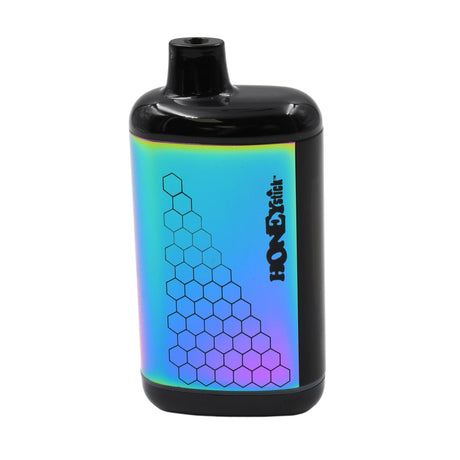
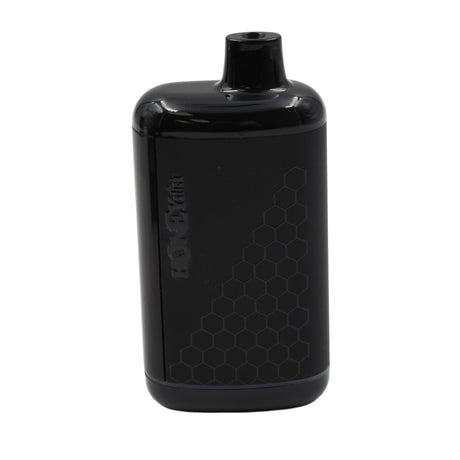
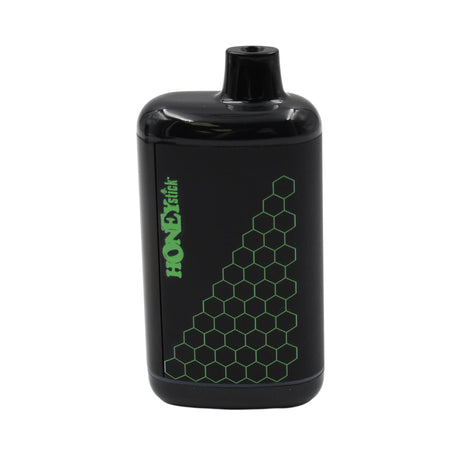
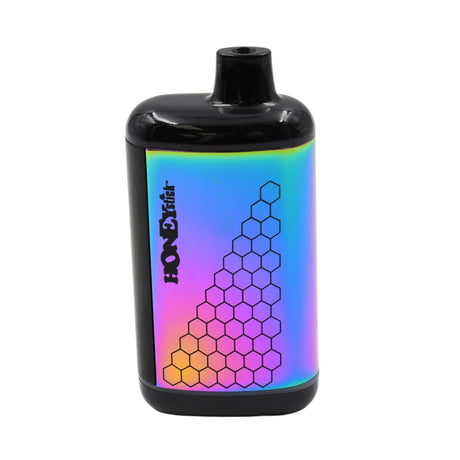
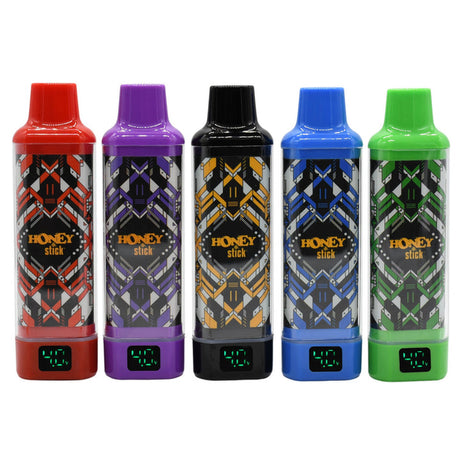
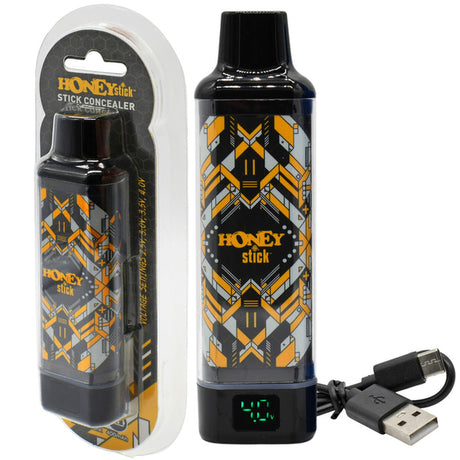
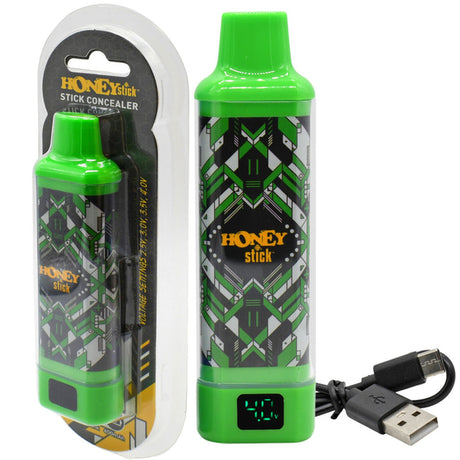
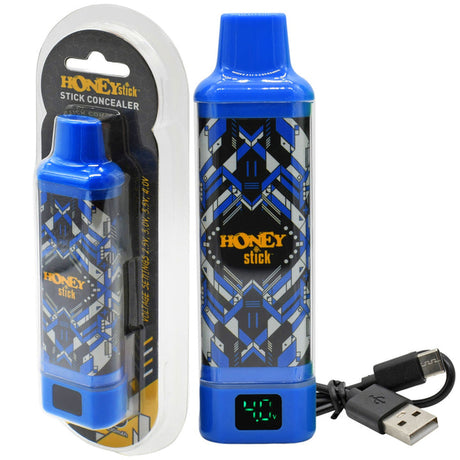
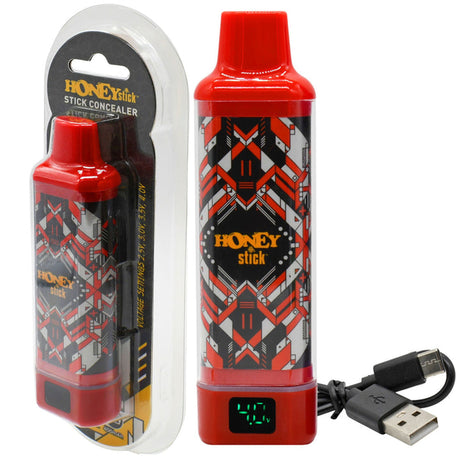
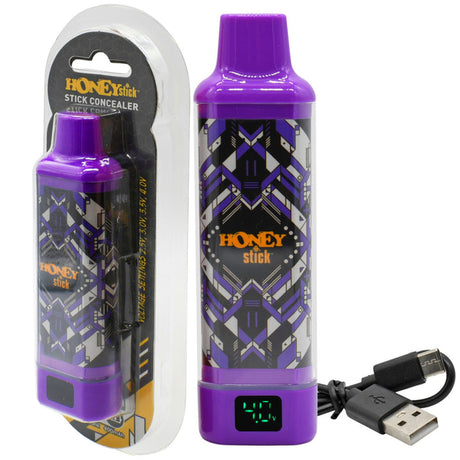
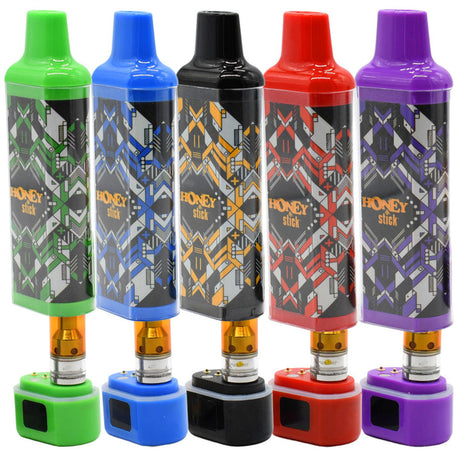
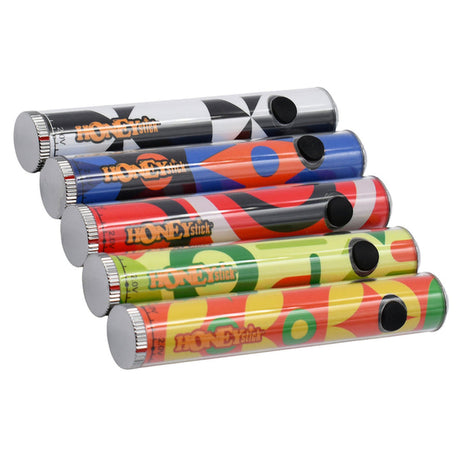
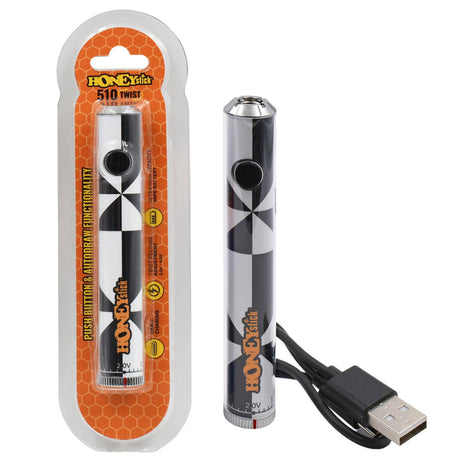
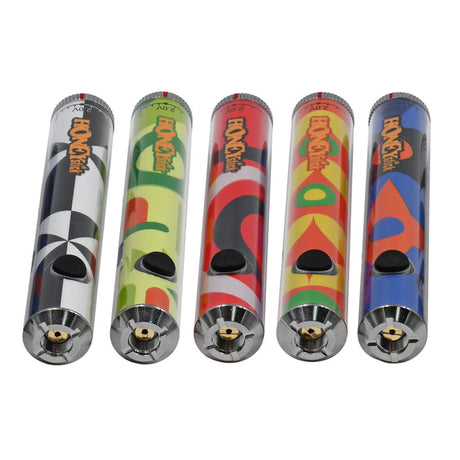
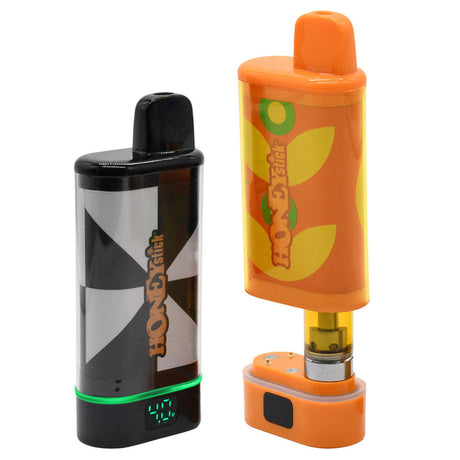
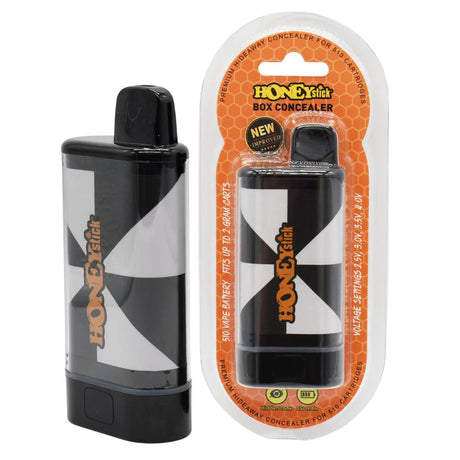
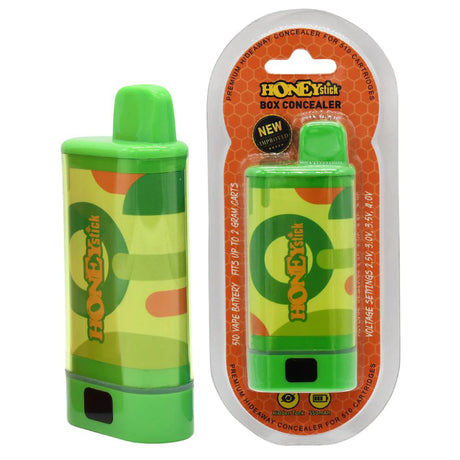




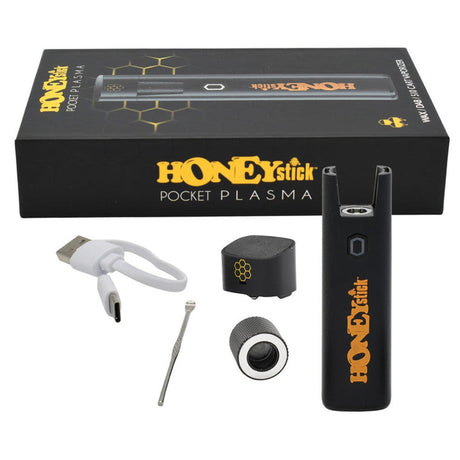
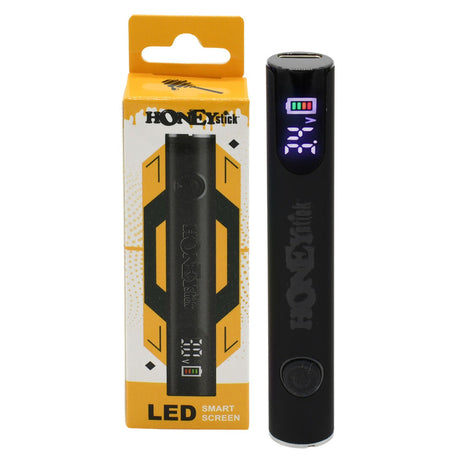


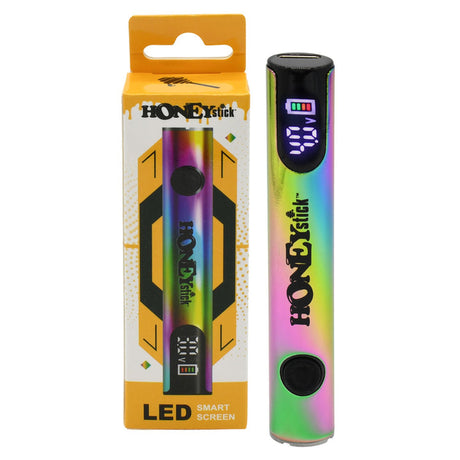


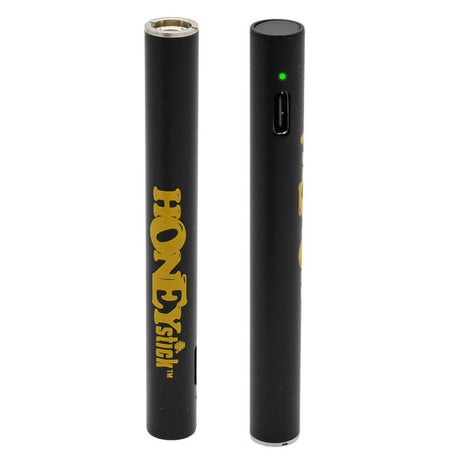
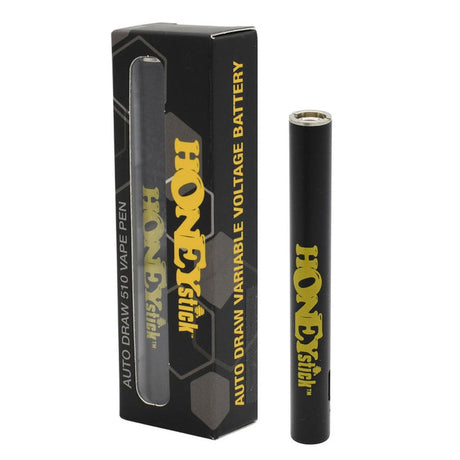
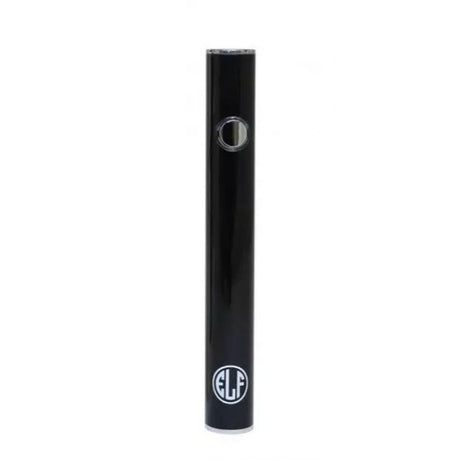
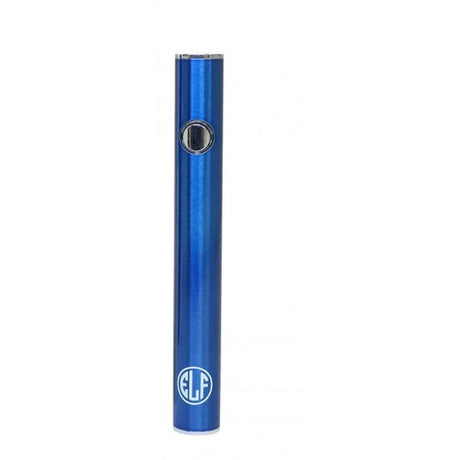
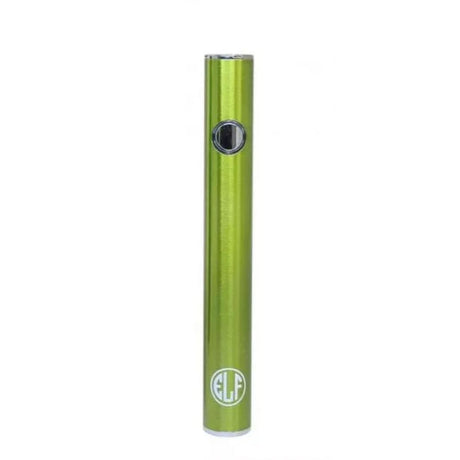

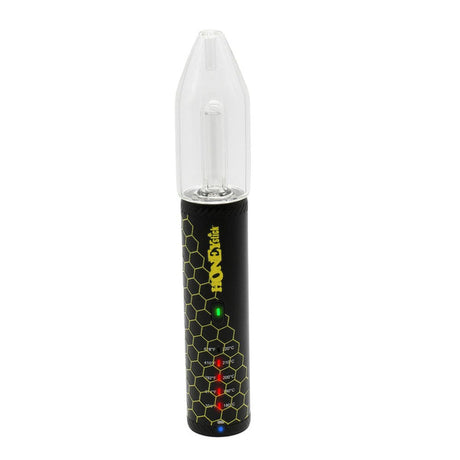
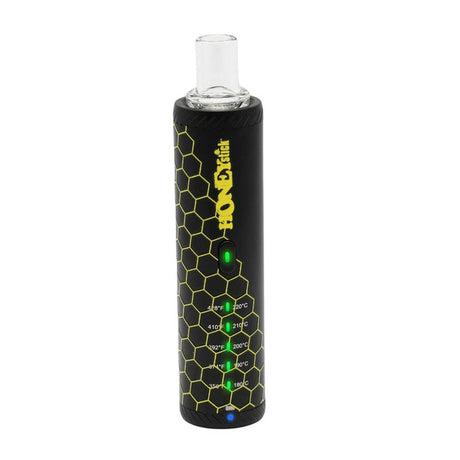


WHAT HONEYSTICK GETS RIGHT ABOUT BUILDING A CONCENTRATE LINEUP
Most brands pick a lane, either entry-level gear or premium rigs, and stop there. HoneyStick builds across the whole range, from twist 510 batteries with variable voltage to a full e-rig with a water bubbler, using medical-grade materials throughout instead of saving them for the expensive stuff. That matters because the weak point in most concentrate setups isn't the technique, it's the hardware cutting corners on the components that touch heat. Smoke & Vape carries this lineup because the engineering holds up whether you're loading a cart or running wax through a proper rig.
| Product | Best For | Why We'd Recommend It | One Thing to Know |
|---|---|---|---|
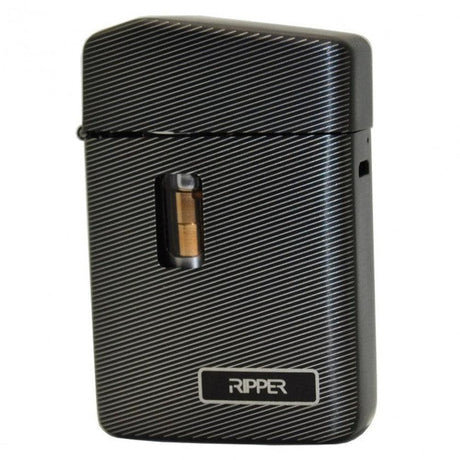
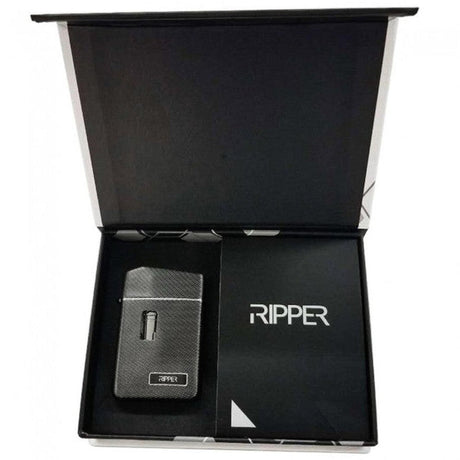
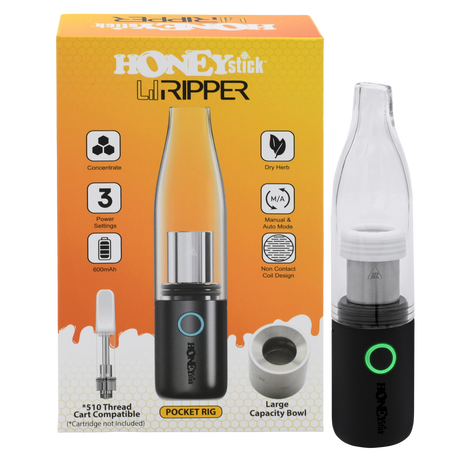
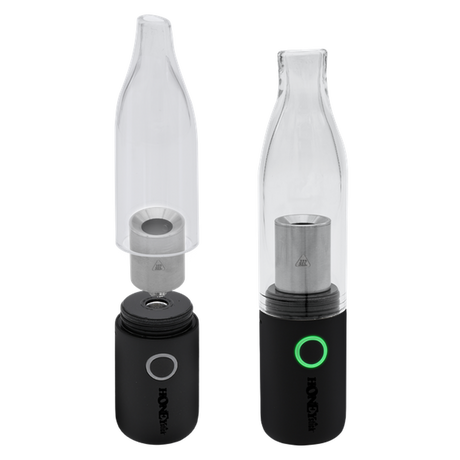
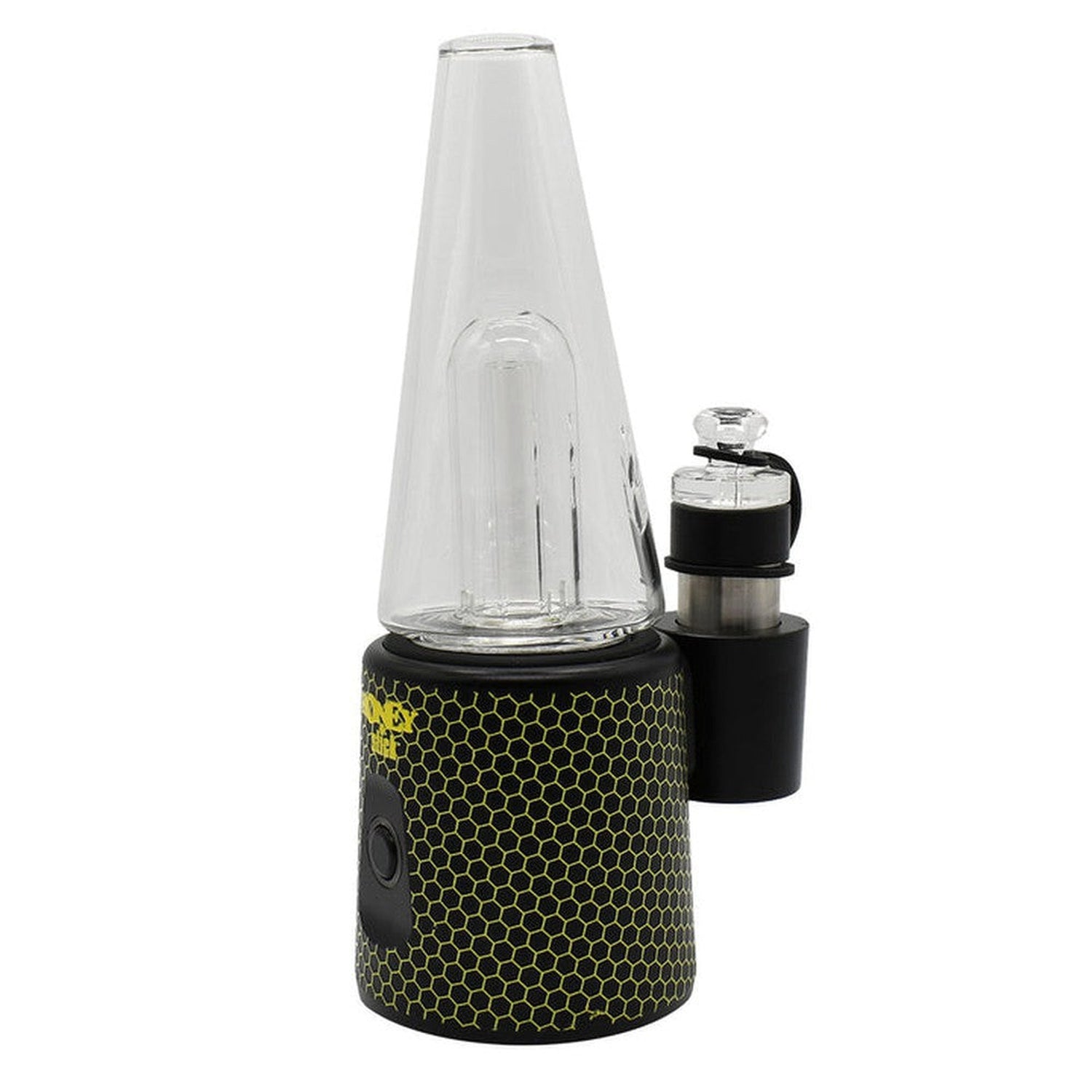 Ripper Electric Dab Rig |
Someone who wants to ditch the torch and get water-filtered dabs from a single device | Full-sized water bubbler built into an electric rig, so you're getting cooled, smooth hits without any open flame. | It's the largest piece in the lineup, not something you'll toss in a pocket or use discreetly. |
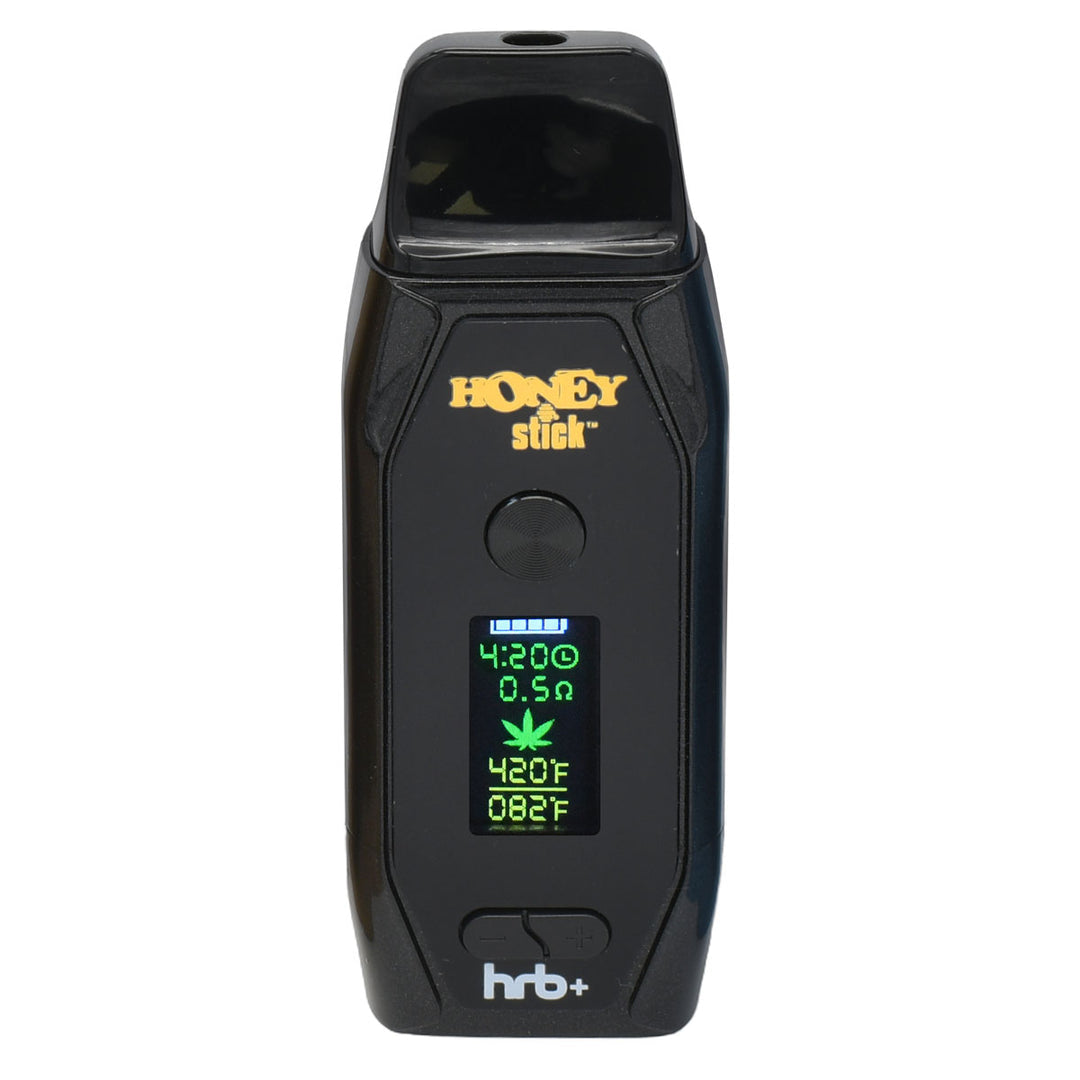 HRB+ Dry Herb Vaporizer |
Flower smokers who want to vape their herb with real temp control, not a preset guess | OLED screen, ceramic chamber, magnetic mouthpiece, and USB-C charging in a pen-sized body that lets you dial in your exact temperature. | It's built for dry herb only, so if you're running carts or wax, this isn't the one. |
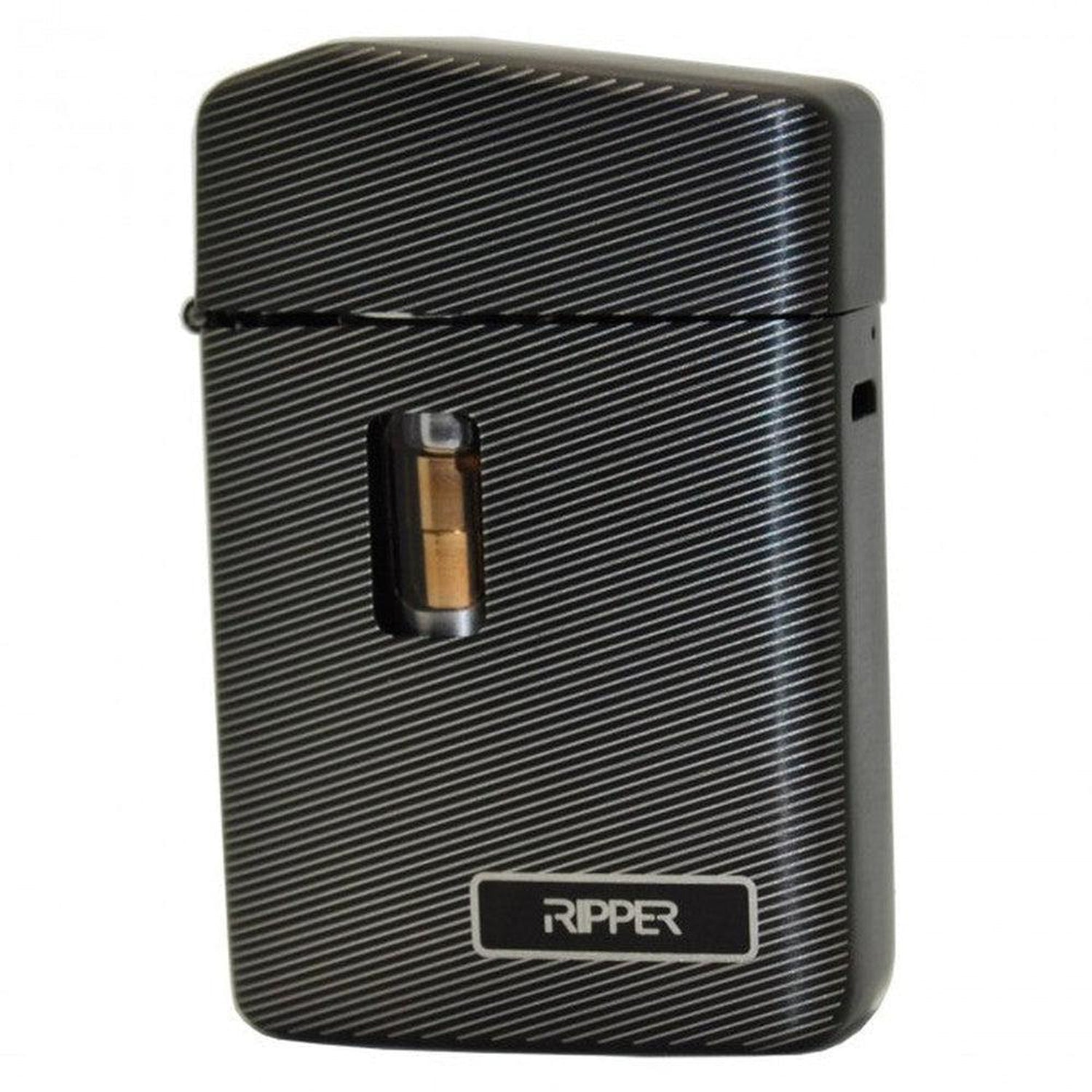 Ripper Essential Oil & Wax Vaporizer |
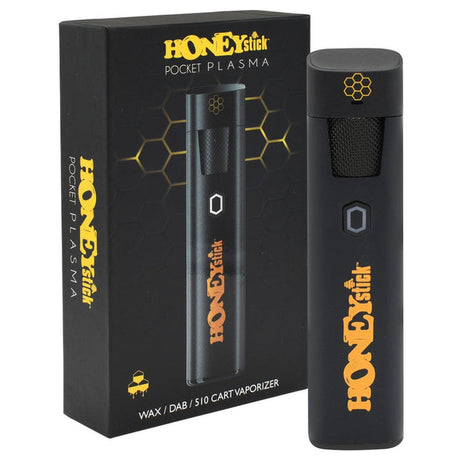
Concentrate users who want a portable wax pen without the bulk of a full e-rig | Dedicated wax vaporizer that keeps things smaller and more pocketable than the Ripper Electric Dab Rig while still handling oils and concentrates. | No water filtration, so your hits won't be as cool or smooth as the full Ripper rig. |
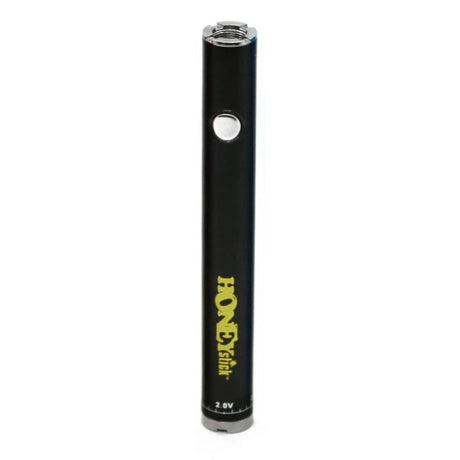
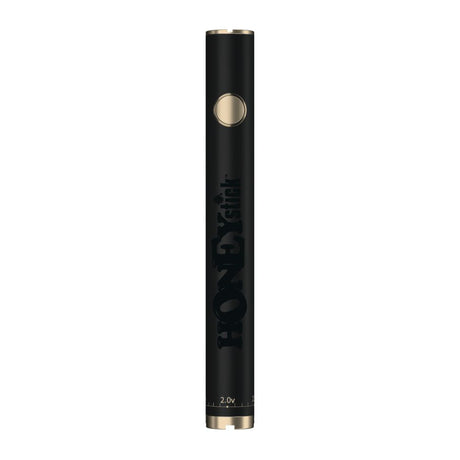
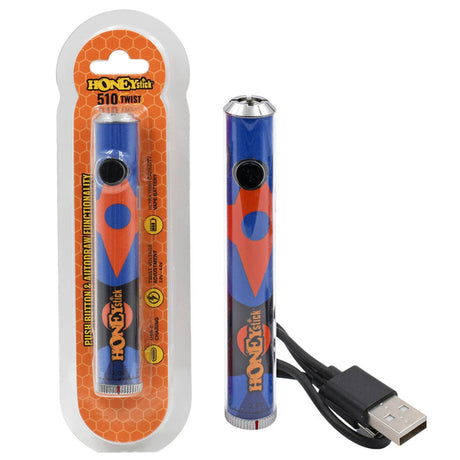
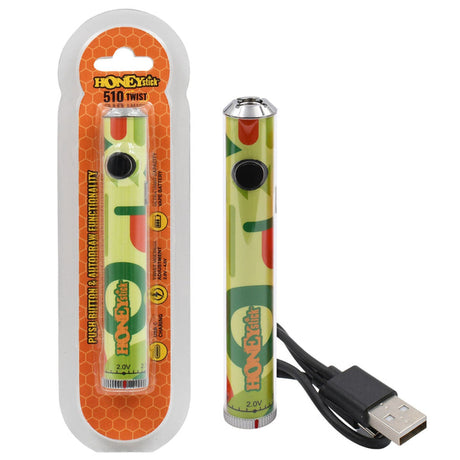
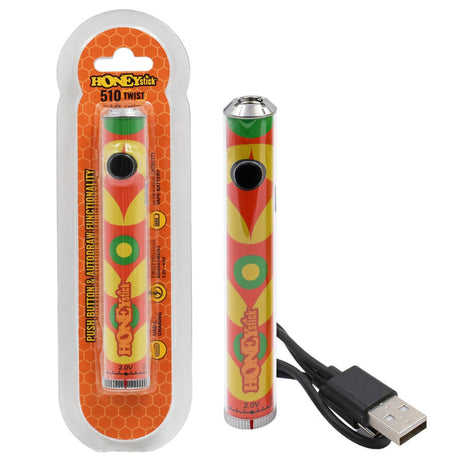
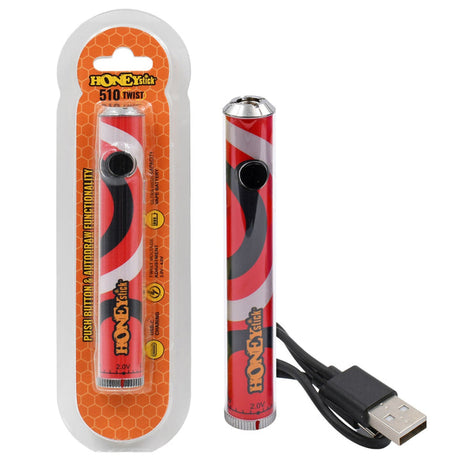
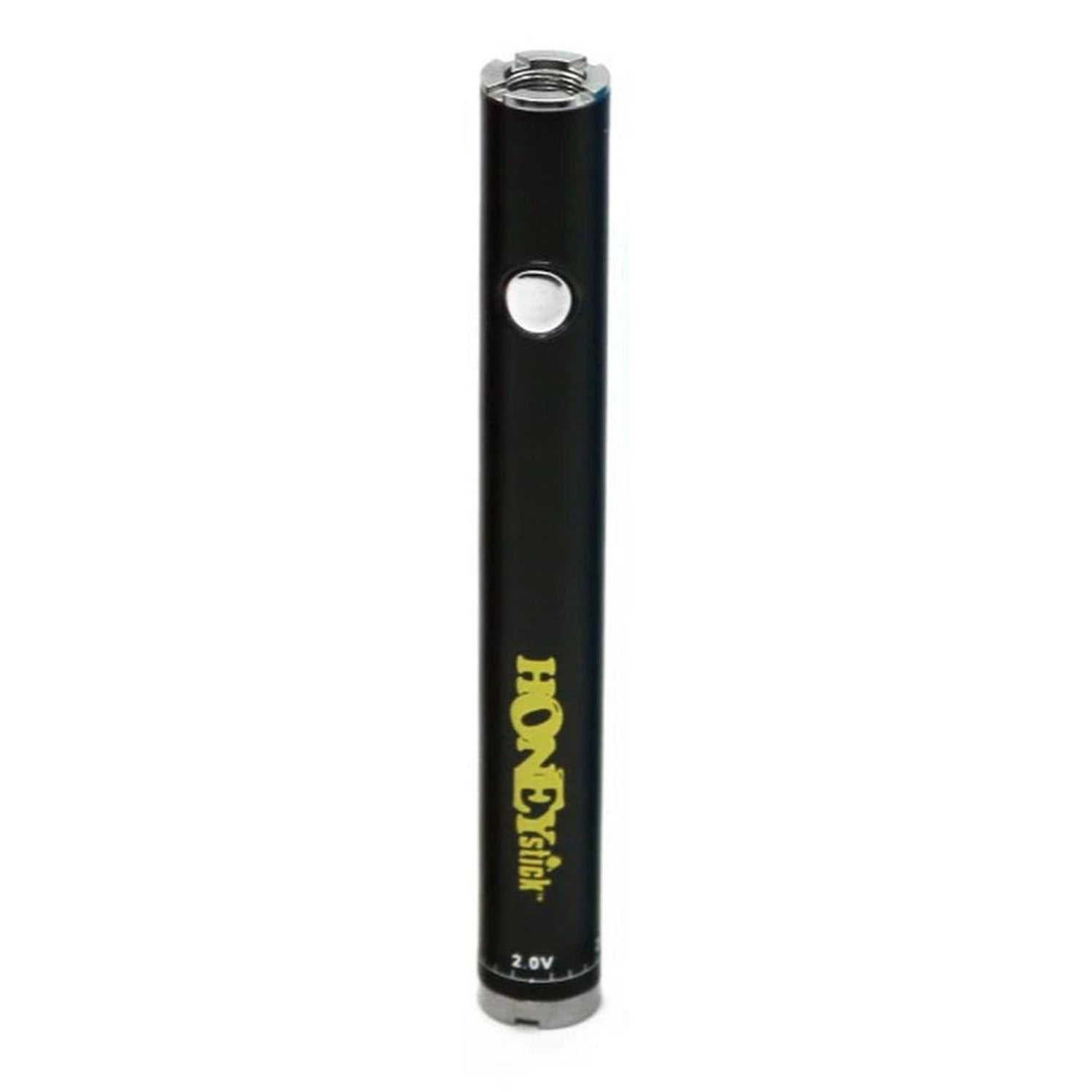 Twist 510 Thread Battery |
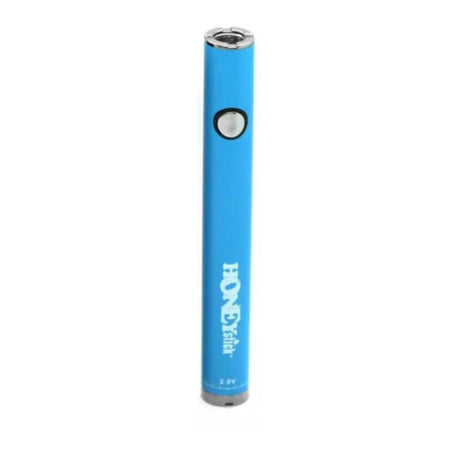
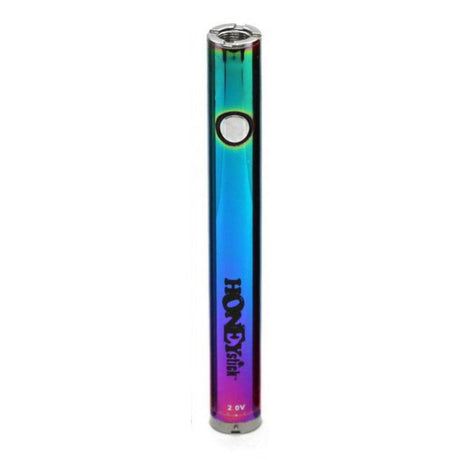
Cart users who want variable voltage in the simplest possible form | Twist the base to adjust your voltage, 500mAh battery, and a preheat function, all in a slim pen body with nothing complicated to learn. | 500mAh means you'll charge more often than you would with a larger battery, better for lighter use. |
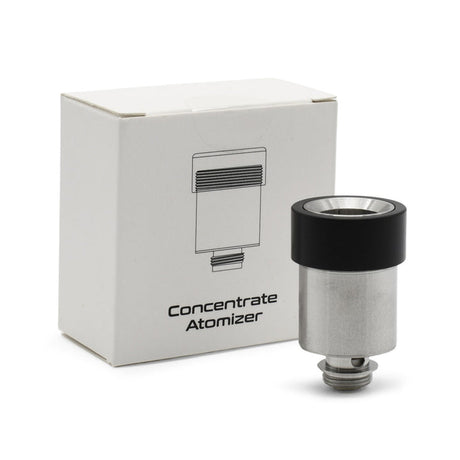
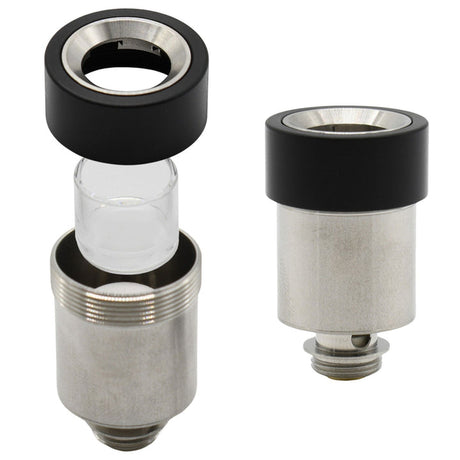
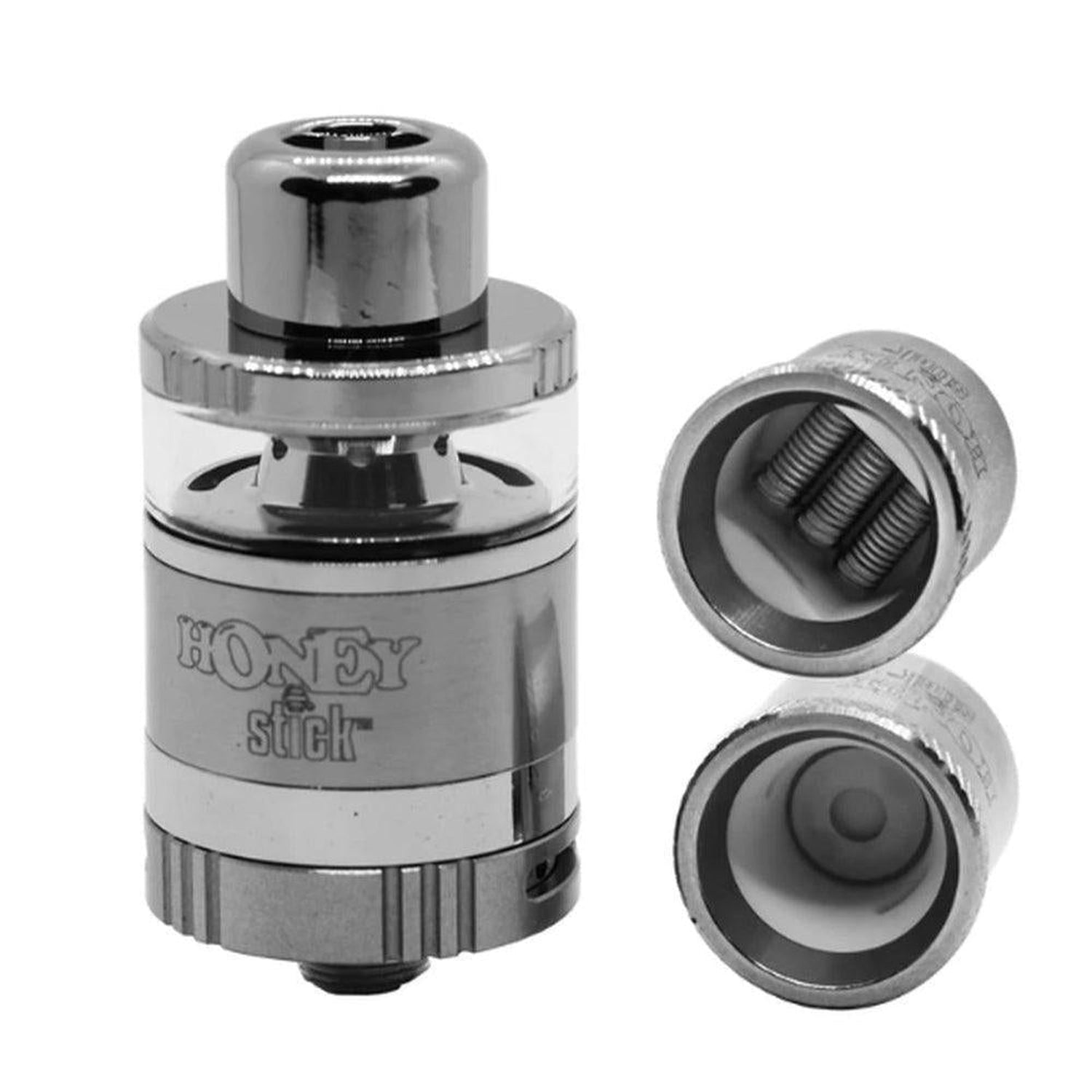 Extreme Vape Wax & Dab Tank |
Someone who already owns a 510 battery and wants to run wax through it instead of buying a separate pen | Turns your existing 510 thread battery into a wax setup, so you don't need a whole new device. | It's a tank attachment, not a standalone unit; you'll need a compatible 510 battery to power it. |
Start with what you're consuming. If it's flower, the HRB+ Dry Herb Vaporizer is your only pick here and it handles that job well. For concentrates, the lineup splits by how much rig you want: the Ripper Electric Dab Rig gives you water filtration and a full desktop feel, the Ripper Essential Oil & Wax Vaporizer shrinks that down to a portable pen, and the Extreme Vape Wax & Dab Tank lets you skip buying a new device entirely if you've already got a 510 battery. If all you need is a simple battery for pre-filled carts, the Twist 510 Thread Battery keeps it straightforward.
What the HoneyStick Lineup Teaches You About Concentrate Hardware
Understanding why medical-grade materials matter, how water filtration actually changes a hit, and what separates a wax tank from a wax pen will make the difference between buying the right device and buying the wrong one twice. This guide covers the mechanics behind those decisions, not just the product names.
Why Medical-Grade Materials Matter More at the Atomizer Than Anywhere Else
Most people focus on the outer body when they're judging build quality, but the component that actually matters is the atomizer, because that's where your concentrate meets heat. Lower-grade metals and coatings can off-gas when they reach vaporization temperatures, which changes what you're actually inhaling. Medical-grade materials resist that kind of breakdown at high heat, which is why HoneyStick uses them across the lineup rather than reserving them for flagship products. The Wax Atomizer Replacement for the Ripper E Rig is a good example of this in practice: it's a consumable part, but it's still built to the same material standard as the rig itself, because that's the component doing the real work.
What Water Filtration Does to Concentrate Vapor That Air Cooling Can't
A lot of people assume water filtration is just about temperature, that it cools the hit down and that's the whole story. Temperature is part of it, but the bigger effect is what happens to particulate matter in the vapor as it passes through water. The bubbling action breaks vapor into smaller bubbles, which increases surface contact with the water and strips out more of the heavier aerosol particles before anything reaches your lungs. That's why a hit from the Ripper Electric Dab Rig, which runs vapor through a full-sized water bubbler, feels noticeably smoother than the same concentrate hit from a portable wax pen without filtration. Portable devices give up that filtration in exchange for size, which is a real tradeoff, not just a spec difference.
How Ceramic Chambers Behave Differently From Metal Ones for Dry Herb
Ceramic is a poor heat conductor, which sounds like a flaw but is actually the point. Because ceramic heats slowly and evenly, it warms the air around your herb rather than scorching the herb directly, which is called convection-style heating. Metal chambers heat faster but create more direct contact heat, which can combust herb at the edges while the center stays undercooked. The HRB+ Dry Herb Vaporizer uses a ceramic chamber specifically because even heat distribution matters more for dry herb than speed, and that's why the OLED screen showing your exact temperature is actually useful there: you're dialing in the air temperature inside the chamber, not just guessing.
What the Preheat Function on a 510 Battery Actually Does
Most people treat preheat as a convenience feature for cold weather. It's not just that. Thick concentrate oils, especially distillate, have high viscosity at room temperature and don't wick to the atomizer coil efficiently when the oil is cold. If you fire a cold cart without preheating, the coil heats before the oil is ready, and you get a dry hit that can burn the wick and degrade the coil faster. The preheat function on the Twist 510 Thread Battery sends a lower-power pulse to warm the oil first, so it flows to the coil before the coil reaches full temperature. It's a small thing, but it extends coil life and improves the first draw noticeably, especially with thicker oils.
Why a Wax Tank and a Wax Pen Aren't the Same Purchase
We get this question at Smoke & Vape regularly: someone already owns a 510 battery and wants to run wax, and they're not sure if they need a whole new device. A wax tank like the Extreme Vape Wax & Dab Tank is an atomizer attachment that threads onto your existing 510 battery and draws power from it, so the battery you already own becomes the engine. A standalone wax pen like the Ripper Essential Oil & Wax Vaporizer has its own battery, its own power management, and is built as a complete system. The tank route saves you from buying a second battery, but your output is limited by whatever voltage your existing battery can deliver. If your 510 battery doesn't have adjustable voltage or enough output for wax, the tank won't perform the way a purpose-built pen would.
Frequently Asked Questions
What does 510 thread mean on a vape battery?
It's a standardized threading size that determines how your battery connects to a cartridge or atomizer. The "510" refers to the connector having 10 threads at 0.5mm pitch, which became the industry default years ago and has stuck around because it just works. If a battery and a cartridge both say "510 thread," they'll screw together without any adapters or workarounds. It's essentially the USB of the vape world: one connection standard that almost everyone builds around.
The reason this matters when you're shopping is that 510 compatibility means you're not locked into one brand's ecosystem. A pre-filled cartridge from your local dispensary will thread onto the Twist 510 Thread Battery the same way it would onto a 510 battery from any other manufacturer. That flexibility extends to atomizer attachments too. The Extreme Vape Wax & Dab Tank, for example, uses a 510 connection, so you can pair it with the Twist or any other compatible 510 battery you already own and turn that battery into a wax setup.
There are a few exceptions to be aware of. Some brands use proprietary pod systems or magnetic connections that look similar but aren't actually 510 threaded. If you're buying cartridges from a licensed retailer in Canada, the vast majority will be 510, but it's always worth confirming before you assume. The physical connection is only half the equation, though. Voltage compatibility matters just as much, because a cart that threads on perfectly can still perform poorly if the battery's output isn't in the right range for that particular oil. That's where features like the variable voltage on the Twist become genuinely useful beyond just fitting together.
What's the difference between variable voltage and fixed voltage batteries?
A fixed voltage battery delivers one power level every time you press the button or take a draw. There's no adjustment, no settings to think about. You get what you get. That simplicity is appealing if you only use one type of cartridge and it happens to pair well with that output level. But if you switch between cartridges with different oil types or viscosities, a single voltage setting can mean great hits with one cart and burnt or weak hits with another.
Variable voltage gives you the ability to dial your output up or down, which lets you match the battery's power to whatever you're running. Thicker distillate oils typically need a bit more voltage to flow and vaporize properly, while thinner live resin carts perform better at lower settings where the flavour stays clean and the coil isn't overworked. The HoneyStick Twist 510 Thread Battery handles this with a simple twist mechanism at the base, so you physically rotate the dial to increase or decrease voltage. There's no screen to navigate or buttons to click through; you just twist and go.
The tradeoff is minor but worth knowing. Variable voltage batteries give you more control, but that also means there's a learning curve, even if it's a small one. You'll want to start low and work up until the vapour production and flavour feel right. Fixed voltage batteries remove that decision entirely, which some people genuinely prefer. If you're the kind of person who wants to grab a pen, take a hit, and not think about settings, fixed voltage has a real appeal. But if you use different carts regularly or you've ever had a hit that tasted off and wished you could turn the power down, variable voltage is the better long term choice.
What's the difference between vaping oil and vaping wax?
The core difference comes down to consistency, and that consistency determines what kind of hardware you need. Oil, the kind you find in pre-filled cartridges, is a liquid concentrate that wicks into a coil through a small cotton or ceramic wick inside the cart. It flows on its own, which is why cartridges are self-contained and relatively mess free. You screw a cart onto a 510 battery like the Twist 510 Thread Battery, and you're ready to go.
Wax is a broader term covering concentrates like shatter, budder, crumble, and live resin that range from sticky and pliable to dry and crumbly. These don't flow into a wick on their own. You need to physically load a small amount onto a coil or into a chamber using a dab tool. That's why wax requires different hardware: either a dedicated wax pen like the Ripper Essential Oil & Wax Vaporizer, a full electric dab rig like the Ripper Electric Dab Rig with its water bubbler, or an atomizer attachment like the Extreme Vape Wax & Dab Tank that threads onto a 510 battery you already own.
The experience is different too, not just the loading process. Wax concentrates tend to deliver stronger, more flavourful hits because you're working with a purer form of the plant's compounds. Oil cartridges trade some of that potency and flavour for convenience, since there's no loading, no mess, and no dab tool to carry around. Neither is objectively better. If convenience is your priority, oil carts on a simple 510 battery are hard to beat. If flavour and intensity matter more and you don't mind a bit of hands on prep, wax hardware opens up a noticeably different experience.
What safety features should I look for in a vape battery or e-rig?
The most important safety features are the ones that prevent the device from doing something dangerous when you're not paying attention, or when something goes wrong with the connection. Short circuit protection is near the top of that list. If the atomizer or cartridge has a fault, short circuit protection cuts power before the battery pushes current through a bad connection, which protects both the device and you. Overcharge protection is equally important; it stops the battery from continuing to charge after it's full, which reduces the risk of cell damage or overheating while plugged in.
Auto shutoff is another feature worth looking for. This kicks in after a set number of seconds of continuous firing, usually around 10 to 15 seconds, so the device doesn't keep heating if a button gets pressed accidentally in your pocket. The HRB+ Dry Herb Vaporizer, for example, is a device with digital controls and an OLED screen, which typically means onboard chip management that handles protections like these automatically. Electric dab rigs like the Ripper Electric Dab Rig also benefit from built-in power management because they run at higher temperatures and draw more power than a simple pen battery.
For 510 batteries specifically, look for low voltage protection, which prevents the battery from firing when the charge drops below a safe threshold. Running a lithium cell too low can permanently damage it or create instability during the next charge cycle. The Twist 510 Thread Battery is a simpler device, but even basic 510 pens should include this protection. If a battery doesn't mention any safety certifications or protection features in its description, that's a red flag worth taking seriously. Good hardware doesn't need to be complicated, but it does need to fail safely.
Are draw-activated batteries better than button-activated batteries?
It depends on what you mean by "better," because each activation style solves a different problem. Draw-activated batteries fire automatically when you inhale, with no button to press. That makes them incredibly simple to use. You just put your lips on the mouthpiece and breathe in. For someone who's new to vaping or just wants the most effortless experience possible, draw activation removes one more step between you and your hit.
Button-activated batteries require you to hold a button while you inhale, which adds a small manual step but gives you more control over when the coil fires. You can pulse the button to manage heat, and you can press it deliberately rather than worrying about the device firing from a bump or airflow change in your bag. The HoneyStick Twist 510 Thread Battery uses button activation along with its variable voltage dial and preheat function, which means you're controlling both when the coil fires and how much power it gets. That level of control pairs well with the Twist's adjustable voltage because you can fine tune both timing and output.
The tradeoff is reliability versus simplicity. Draw-activated sensors can occasionally misfire, either triggering from wind or pocket pressure, or failing to activate if the airflow sensor gets blocked by condensation or oil leaking into the mouthpiece channel. Button-activated batteries don't have that issue because the trigger is mechanical, not based on air pressure. On the other hand, button batteries can fire accidentally if the button gets pressed in a pocket, which is why a lock feature or auto shutoff matters. Neither style is universally better. If you value simplicity above all else, draw activation is hard to argue with. If you want more deliberate control over your sessions, a button gives you that.