Vape Pens: Sleek, Portable, and Easy to Use
Experience effortless vaping with compact, discreet, and versatile vape pens.
Explore our collection of top brands, including HoneyStick, Puffco, Yocan, Arizer, and Dr. Dabber, and find the perfect vape pen for your lifestyle.
Vape pens offer a seamless way to enjoy e-liquids, dry herbs, and concentrates without the bulk of larger vaporizers. Their sleek design and pocket-friendly size make them perfect for on-the-go vaping, whether you're commuting, traveling, or simply looking for a hassle-free experience.
Most vape pens feature a single-button operation for power and settings, while some are draw-activated—just inhale to start vaping. With rechargeable batteries designed for multiple sessions per charge, vape pens provide a balance of portability and performance.
Vaporizers | Wax & Dab Pens | Electric Dab Rigs | Dab Rigs | Dry Herb Vaporizers | Dab Tools | Quartz Bangers
Vape Pens: Sleek, Portable, and Easy to Use
Experience effortless vaping with compact, discreet, and versatile vape pens.
Explore our collection of top brands, including HoneyStick, Puffco, Yocan, Arizer, and Dr. Dabber, and find the perfect vape pen for your lifestyle.
Vape pens offer a seamless way to enjoy e-liquids, dry herbs, and concentrates without the bulk of larger vaporizers. Their sleek design and pocket-friendly size make them perfect for on-the-go vaping, whether you're commuting, traveling, or simply looking for a hassle-free experience.
Most vape pens feature a single-button operation for power and settings, while some are draw-activated—just inhale to start vaping. With rechargeable batteries designed for multiple sessions per charge, vape pens provide a balance of portability and performance.
Vaporizers | Wax & Dab Pens | Electric Dab Rigs | Dab Rigs | Dry Herb Vaporizers | Dab Tools | Quartz Bangers

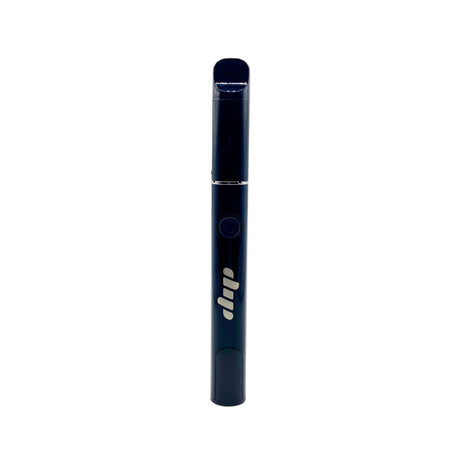
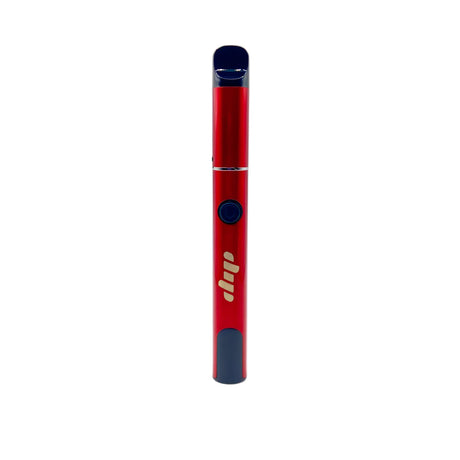
![Slim pen-style vaporizer, Lunar Dab Pen, featuring a red body, dark mouthpiece, single button, designed for portability and efficient dabbing with precise airflow.]()
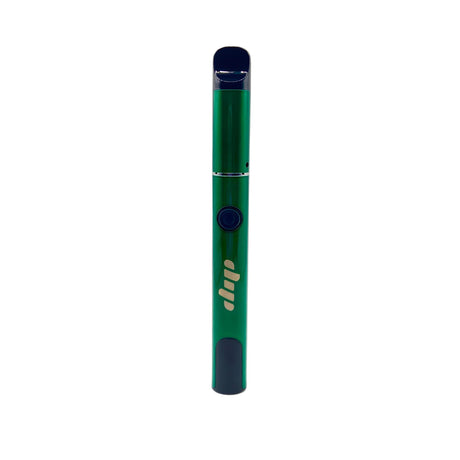
![Lunar Dab Pen: A sleek, metallic green vape pen with a black mouthpiece, circular power button, and logo at the base, designed for smooth, portable dabbing.]()
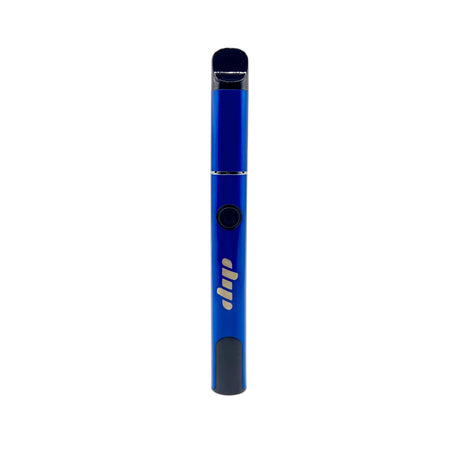
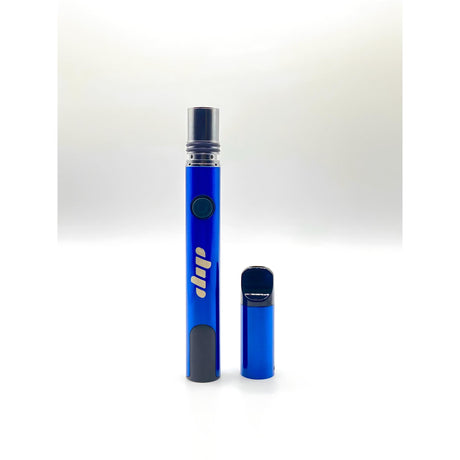
![Slim, metallic blue Lunar Dab Pen with a cylindrical body, mouthpiece, central power button, and branding, designed for easy use and portability.]()
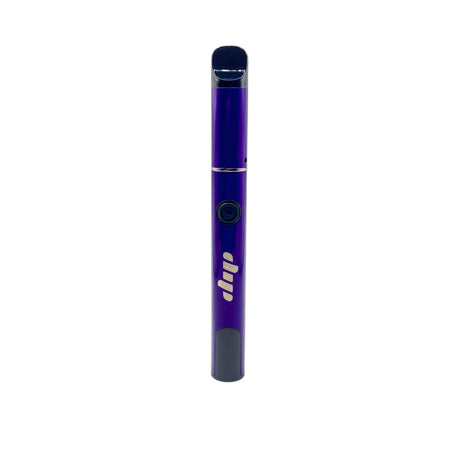
![Lunar Dab Pen, glossy purple, sleek design with black mouthpiece, central power button, branding logo, and cap. Ideal for efficient on-the-go dabbing.]()
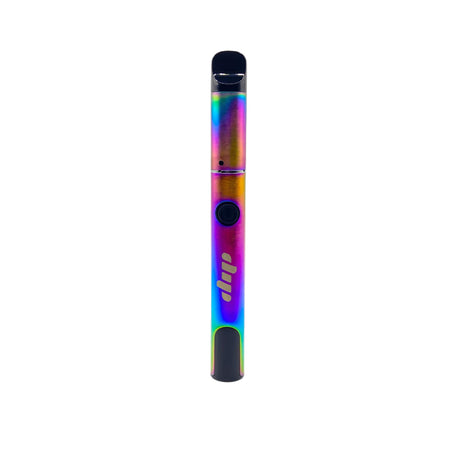
![Slim, pen-style Lunar Dab Pen with rainbow-gradient finish, single firing button, and top mouthpiece, designed for portable, efficient dabbing with advanced airflow technology.]() NEWNew arrival
NEWNew arrival-
![ELF CannDab Wax Vape Pen close-up, featuring a compact design with real-time LED display and full ceramic chamber for precision dabbing.]()
![ELF CannDab Wax Vape Pen with a digital display, featuring real-time temperature control, full ceramic chamber, and pipe-like vaping experience for wax concentrates.]()
![ELF CannDab Wax Vape Pen showcasing its compact design, featuring a real-time digital display and a full ceramic chamber for enhanced dabbing experiences.]() NEWUp to 8% off
NEWUp to 8% off -
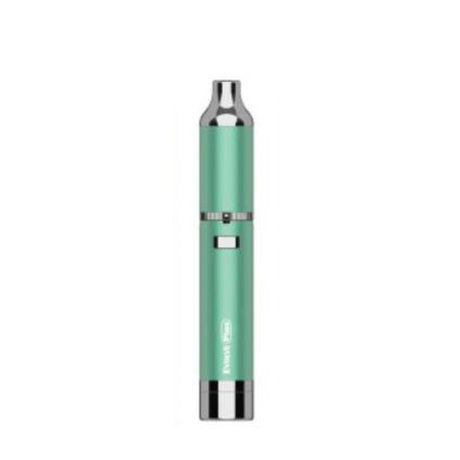
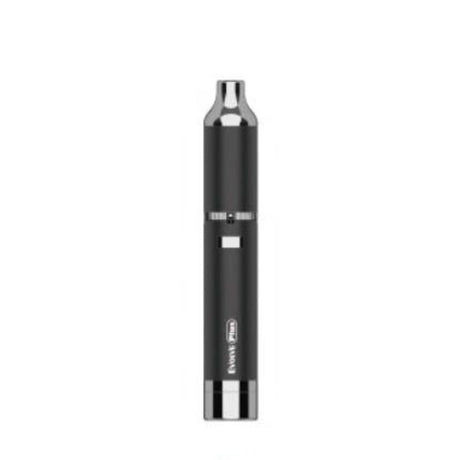
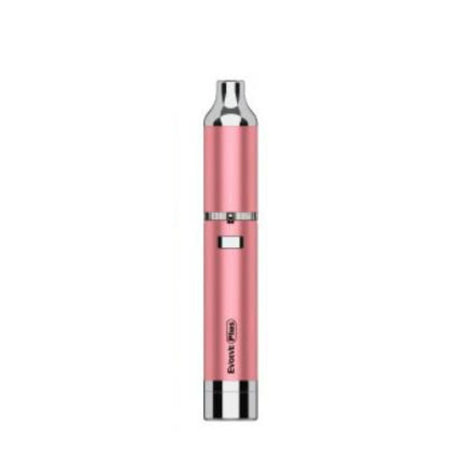
![Evolve Plus Concentrate Vaporizer, a sleek black and silver device with a compact, durable design, ideal for vaping concentrates with built-in stash jar and quartz atomizer.]()
![Evolve Plus Concentrate Vaporizer, featuring a sleek design with built-in stash jar, quartz dual atomizer, and functional coil cap for enhanced vaping performance.]() Up to 40% off
Up to 40% off -
50% off
-
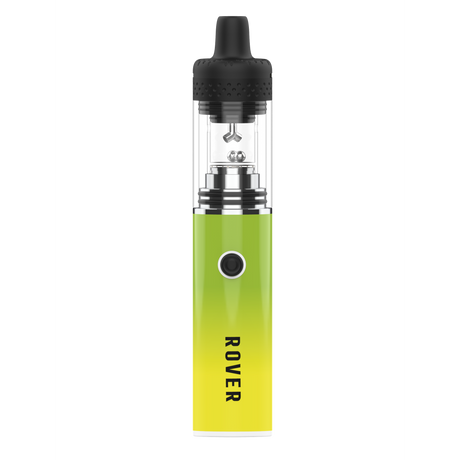
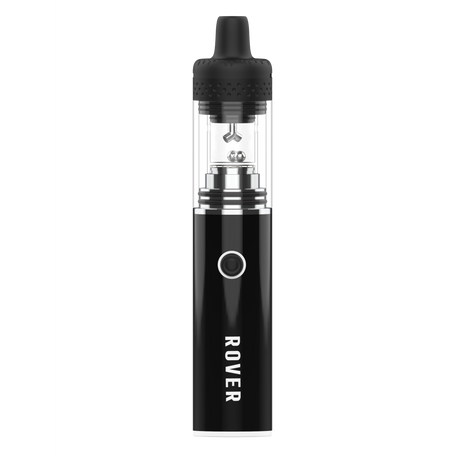
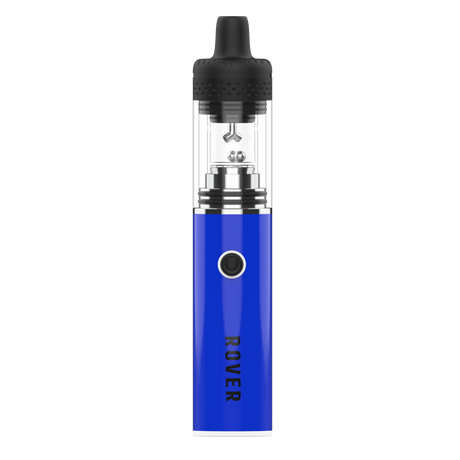
![Rover Dab Pen featuring a matte black body, a clear glass tank with metal pearls, and a black mouthpiece, designed for a portable dab rig experience.]()
![Rover Dab Pen, a sleek vaporizer with a black mouthpiece, transparent tank, firing button, and blue ROVER labeled battery, for a portable dab rig experience.]()
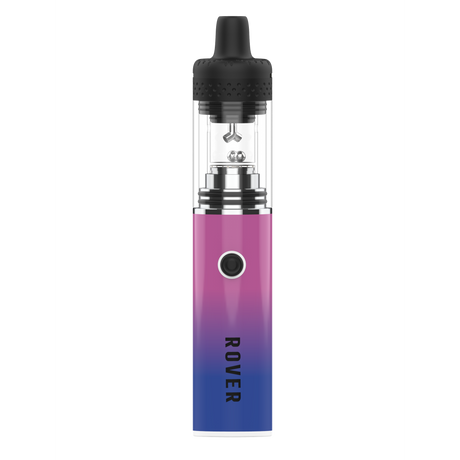
![Rover Dab Pen with pink-to-blue gradient, single firing button, and clear tank; offers portable dab rig experience with terp pearls for even heating.]()
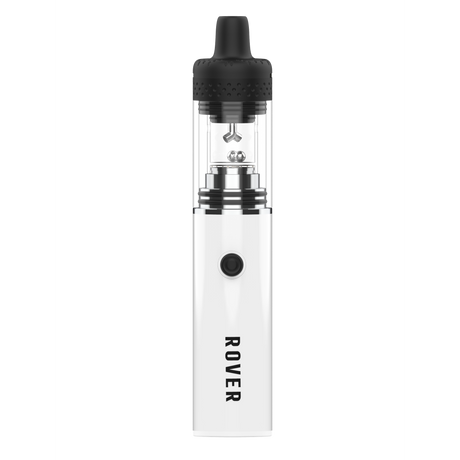
![Rover Dab Pen: A sleek, pen-style vaporizer with a clear glass chamber and white battery, designed for a portable dab rig experience.]() NEWUp to 25% off
NEWUp to 25% off -
50% off
-
13% off
-
-
-

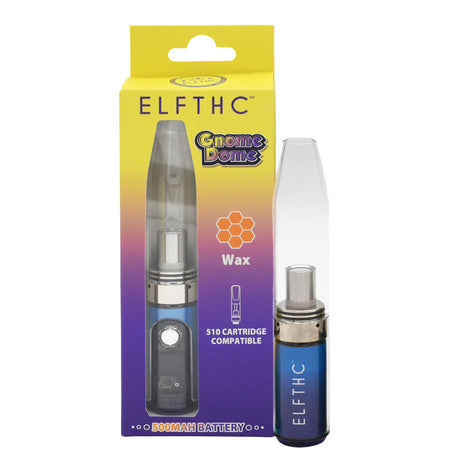
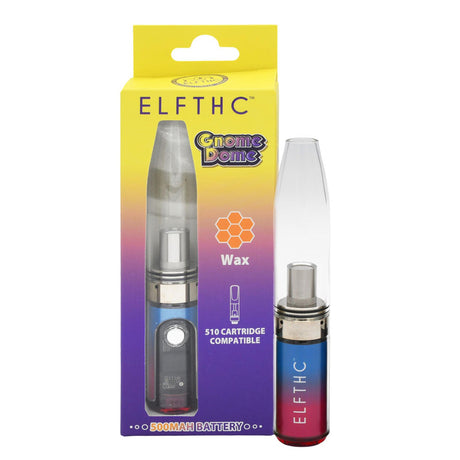
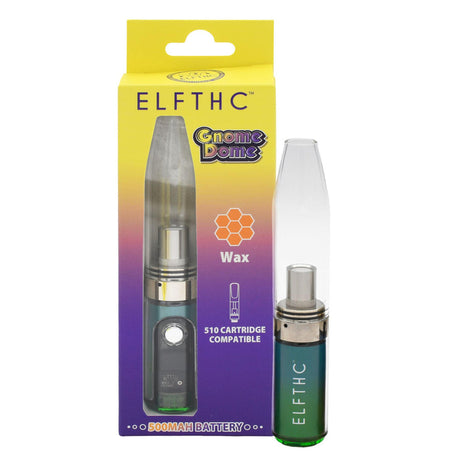
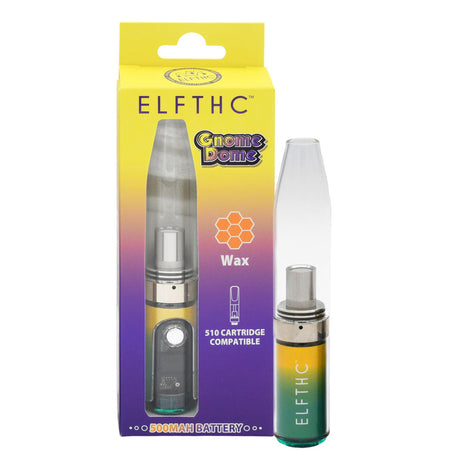
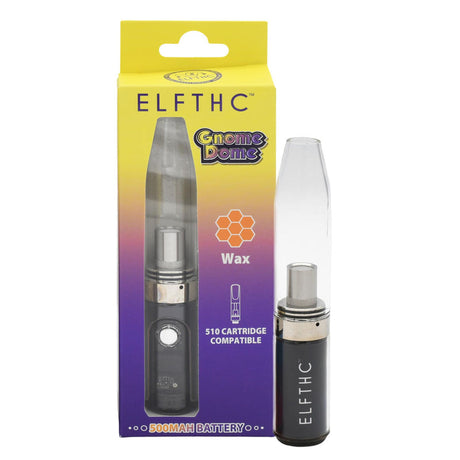
![Gnome Dome Mini Vape Rig For Dabs - Blue & Red, shown with a close-up of its compact, dual-use e-rig and 510 cart battery design.]()
![Gnome Dome Mini Vape Rig For Dabs in green packaging, featuring a 500mAh battery, 510-cartridge compatibility, and clear dome mouthpiece, ideal for versatile vaping.]()
![Gnome Dome Mini Vape Rig For Dabs, a compact pen-style vaporizer with a clear mouthpiece, 510-thread battery, and removable glass chamber for wax concentrates.]()
![Gnome Dome Mini Vape Rig For Dabs package and sleek vaporizer battery with a clear dome mouthpiece, designed for wax concentrates and 510 cartridges.]()
-
-
-
-







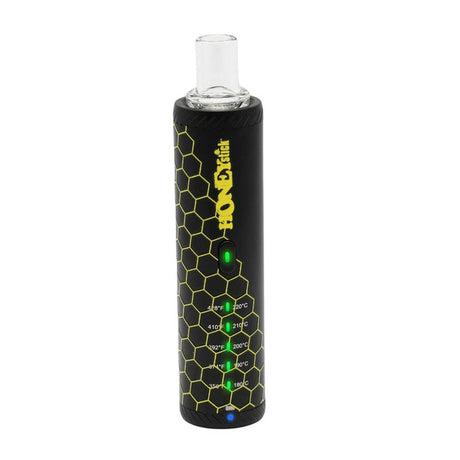


CHOOSING THE RIGHT VAPE PENS COMES DOWN TO ONE QUESTION NOBODY ASKS FIRST
The question isn't which pen looks the best; it's what you're loading into it. Concentrate pens and dry herb vaporizers share a form factor but work completely differently, and dropping a wax into a herb chamber (or vice versa) is a fast way to ruin both your session and your atomizer. Smoke & Vape carries dab pens from brands like Dip Devices, Yocan, Dr. Dabber, and ELF Hardware because the concentrate side of this category is where atomizer material actually matters, with ceramic and quartz chambers pulling noticeably cleaner flavor than cheap coils that scorch at high temps. Once you know what you're vaping, the rest of the decision, size, button controls versus draw activation, built-in storage, sorts itself out pretty quickly.
| Product | Best For | Why We'd Recommend It | One Thing to Know |
|---|---|---|---|
 Dip Devices Lunar Dab Pen |
Someone who wants a concentrate pen that pockets like a regular pen and nothing more | Slim cylindrical body, single firing button, and smooth airflow in one of the most carry-friendly forms in the lineup. | No built-in storage, so you'll need to carry your concentrate separately. |
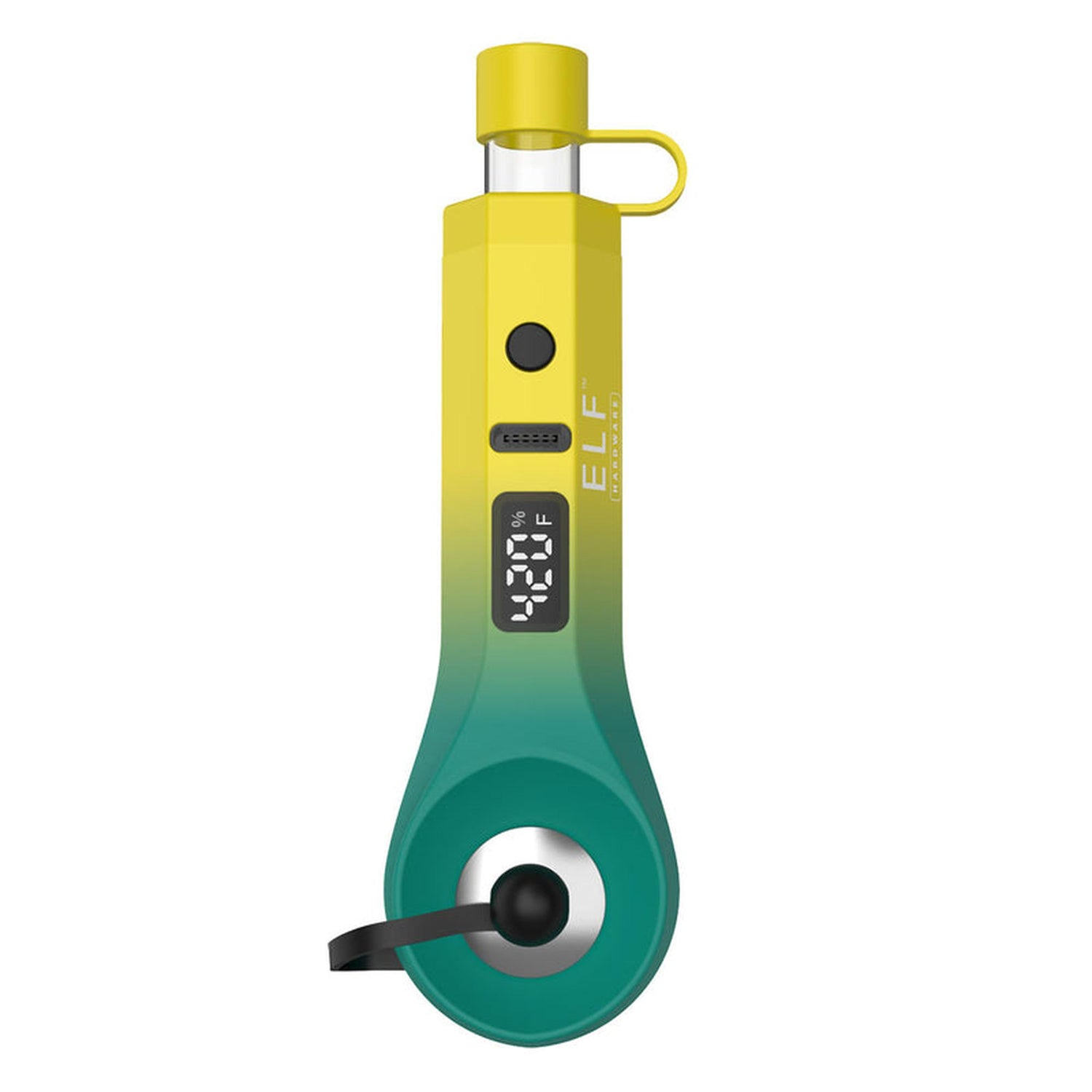 ELF CannDab Wax Vape Pen |
Concentrate users who want to see their temperature in real time, not guess by color or click count | Full ceramic chamber and a real-time digital display in a compact pipe-style body that shows you exactly where you're at. | Pipe-style shape means it won't sit in a pocket the same way a slim pen body does. |
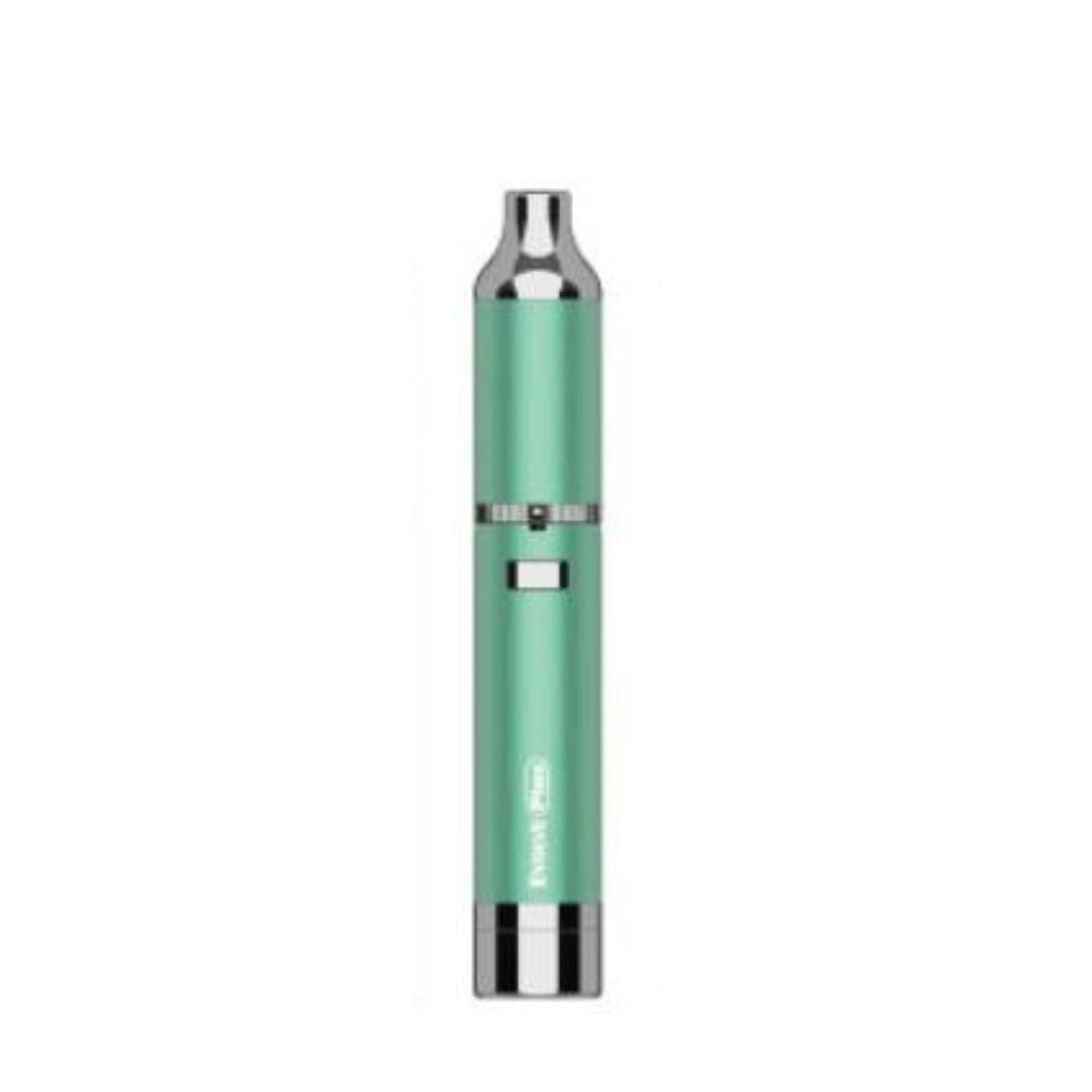 Yocan Evolve Plus Concentrate Vaporizer |
Someone who wants quartz vapor quality and built-in concentrate storage in one unit | Quartz dual atomizer and a built-in stash jar mean you're loading from the same device you're carrying, no separate container needed. | It's a coil setup, so the atomizer will need replacing over time. |
 Dip Devices Rover Dab Pen |
Someone who wants a portable dab rig experience without a full rig on the table | Clear glass tank with terp pearls for even heating gives you a noticeably different draw than a standard pen atomizer. | It's a bigger form factor than the Lunar, so pocketability takes a hit. |
If you want the slimmest possible carry, the Lunar is the straightforward call. If you'd rather have real-time temp readouts and a ceramic chamber, the CannDab is where to go. The Evolve Plus is the one if you want quartz flavor and built-in concentrate storage without carrying anything extra, and the Rover steps it up again for anyone who wants the feel of a rig session in a portable body.
What Vape Pens Actually Teach You About Buying Smart
Atomizer material, body shape, and heating design all affect what your session actually feels like, and most people don't realize any of that until they've already bought the wrong thing. These sections cover the mechanics behind those differences so you can evaluate any pen on substance.
Why Atomizer Material Changes Flavor More Than Any Other Spec
Most people assume all concentrate pens taste the same and the difference is just vapor volume. It's not. Ceramic retains heat evenly across its surface, which means your concentrate vaporizes gradually rather than burning off in a spike of heat. Quartz heats faster and reaches higher temperatures more quickly, which produces a cleaner, more immediate flavor hit but requires more attention to how long you hold the button. Cheap coil setups, the kind you'll find in bargain pens, heat unevenly and tend to scorch material at the contact point, which is where that harsh, burnt taste comes from.
What Terp Pearls Actually Do Inside a Chamber
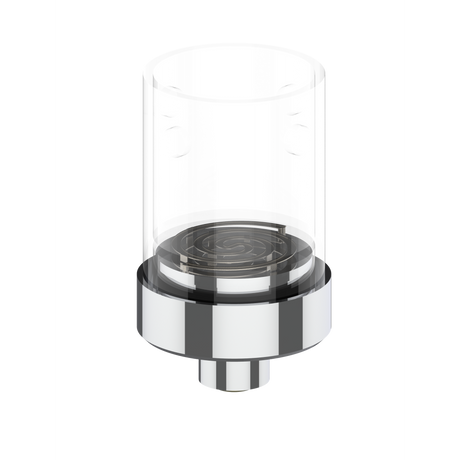
Terp pearls look like a cosmetic feature. They're not. When airflow moves through the chamber during a draw, the pearls spin, redistributing the concentrate across the heated surface so it vaporizes evenly rather than pooling and burning in one spot. The Dip Devices Rover Dab Pen uses this approach in its clear glass tank, and the mechanism is the same reason a full dab rig with a spinning insert produces more consistent vapor than a static banger. Without that movement, concentrate tends to sit on the hottest part of the chamber and cook unevenly, which wastes material and flattens the flavor.
How Body Shape Affects More Than Pocketability
A slim cylindrical pen like the Dip Devices Lunar Dab Pen fits in any pocket and draws no attention. A pipe-style body like the ELF CannDab Wax Vape Pen sits differently in the hand and won't disappear into a jacket pocket the same way. That's not just a carry preference, it also changes how you hold the device while drawing, which affects the angle of airflow through the chamber. At Smoke & Vape, we hear this one a lot: someone buys a compact pen expecting it to work identically to a larger body, then notices the draw feels different. The chamber geometry and mouthpiece angle are doing work that the body dimensions don't advertise.
Why Built-In Concentrate Storage Changes How You Actually Use the Device
Carrying concentrate separately sounds like a minor inconvenience until you're loading a pen in a hurry and realize your container is somewhere else. The Yocan Evolve Plus Concentrate Vaporizer solves this with a stash jar built into the base of the device, which means your concentrate travels with the pen rather than in a separate container. Most people don't think about this until they've lost a silicone jar or left it at home, but once you've used a pen with integrated storage, going back to carrying things separately feels like a step backward. It's a small mechanical detail that changes the whole workflow.
Frequently Asked Questions
What safety features should I look for in a rechargeable vape pen battery?
The most important one is short circuit protection, which shuts the device down if the connection between the battery and atomizer malfunctions. Without it, a shorted coil or a damaged connector can cause the battery to overheat, and that's not a theoretical risk. It's the reason reputable brands build protection circuits into their pens in the first place. Any pen you're considering should have this as a baseline, not a bonus feature.
Overcharge protection is the second thing to look for. Lithium-ion batteries, which power virtually every rechargeable vape pen on the market, don't respond well to being left on a charger indefinitely. Overcharge protection cuts the current once the battery reaches full capacity, which prevents the cell from degrading prematurely or, in rare cases, swelling. Devices from brands like Yocan, Dip Devices, and Dr. Dabber generally include this, but it's worth confirming rather than assuming, especially if you tend to charge overnight.
Auto shutoff is the third feature that matters more than people realize. This is the timer that kills power after a set number of seconds of continuous firing, usually around 10 to 15 seconds. It prevents the atomizer from overheating if the button gets pressed accidentally in your pocket or bag. The Dip Devices Lunar Dab Pen, for example, uses a single firing button design, and that auto shutoff acts as a safeguard against unintentional activation when the pen is being carried.
One practical note: always charge your pen with the cable it came with or a cable rated for the same output. Using a fast charger meant for a phone can push more current than the pen's battery is designed to handle, and that's one of the most common ways people damage an otherwise well-built device.
How do I choose the right battery voltage for a vape pen?
Voltage determines how much heat reaches your material, and the right setting depends entirely on what you're vaping. Concentrates like shatter, wax, and live resin each have different consistencies and melting points, so there's no single voltage that works perfectly for everything. As a general rule, lower voltage produces smoother, more flavourful vapour with smaller clouds, while higher voltage creates thicker clouds and a stronger throat hit but increases the risk of scorching your material.
If you're using a concentrate pen, somewhere in the range of 2.5V to 3.2V is a reasonable starting point for most waxes. The ELF CannDab Wax Vape Pen makes this easier than most because its real-time digital display shows you exactly what voltage or temperature you're running, so you're not guessing based on LED colour codes or click patterns. You can dial in a low setting, take a draw, and adjust upward in small increments until the vapour density and flavour hit the balance you're after.
For pens without adjustable voltage, the manufacturer has already chosen a fixed output they think works best with the included atomizer. The Dr. Dabber Ghost, for instance, is designed so the battery output matches its atomizer's heating characteristics without requiring user adjustment. That's a perfectly fine approach if you don't want to think about settings, but it does mean you can't fine-tune the experience the way you can with a variable device.
The honest advice is this: if you tend to experiment with different types of concentrates, a pen with adjustable output gives you flexibility you'll actually use. If you stick to one type of material consistently, a fixed voltage pen that's well matched to its atomizer will serve you just fine without the extra decision-making.
Are button-activated vape pens better than draw-activated ones for beginners?
It depends on what kind of beginner you are. Draw-activated pens are simpler in the most literal sense: you inhale, the sensor detects airflow, and the device fires. There's no button to learn, no click sequence to memorize, and no chance of accidentally activating the pen in your pocket. For someone who just wants to pick up a pen and use it without reading instructions, draw activation removes one layer of interaction.
Button-activated pens add a step, but that step gives you control. Holding a button lets you decide exactly when heating begins and ends, which matters more with concentrates than most beginners expect. Wax doesn't vaporize the instant you draw; it needs a moment to melt and reach the right temperature. With a button, you can preheat the chamber for a second or two before inhaling, which produces a more consistent first draw. The Dip Devices Lunar Dab Pen uses a single button for firing, and that simplicity keeps the learning curve short while still giving you the ability to time your hits.
The tradeoff with draw activation is that the sensor has to interpret your inhale, and not every draw is the same strength. A gentle pull might not trigger the sensor reliably, and a hard pull might cool the chamber faster than the element can keep up. Button activation sidesteps that entirely because the heating element runs as long as you hold the button, regardless of how you're breathing.
For most beginners using concentrate pens, a single button device is the better starting point. It's barely more complicated than draw activation, and the control it gives you over heat timing makes a noticeable difference in vapour quality from the very first session.
What's the difference between temperature control and preset voltage settings?
They're solving the same problem, which is giving you control over how hot your chamber gets, but they do it differently. Preset voltage settings give you a handful of fixed power levels, usually three or four, that you cycle through by clicking a button. Each level sends a specific voltage to the atomizer, and the resulting temperature depends on the resistance of the coil or chamber. You're not choosing a temperature directly; you're choosing a power output and letting the hardware determine the rest.
True temperature control works the other way around. You set an actual temperature, and the device's chip monitors the atomizer in real time, adjusting power up or down to hold that target consistently throughout your draw. The ELF CannDab Wax Vape Pen's real-time digital display is a good example of this approach in a pen format. You can see the temperature reading as it climbs and stabilizes, which means you know exactly what's happening inside the chamber rather than interpreting what a green LED versus a blue LED is supposed to mean.
The practical difference shows up most clearly at the end of a session. With preset voltage, the atomizer gets hotter as you take consecutive draws because residual heat builds up in the chamber between hits. Temperature control compensates for that by reducing power as the chamber warms, keeping each draw closer to the same experience. If you're someone who takes several draws in a row, that consistency matters.
For casual users who take a hit or two and put the pen down, preset voltage levels work perfectly well. But if you're particular about flavour or you've noticed that your last few draws in a session taste harsher than the first, temperature control addresses that specific problem in a way that voltage presets can't.
What airflow style should I look for if I want smoother hits from a pen?
Smoother hits come down to how much air mixes with the vapour before it reaches your mouth. A pen with a more open airflow path lets you draw in more cool air alongside the vapour, which dilutes the heat and reduces throat irritation. A restricted airflow path concentrates the vapour, which produces denser clouds and a stronger sensation but can feel harsher, especially at higher temperatures.
The Dip Devices Rover Dab Pen is a good reference point for understanding how airflow design changes the experience. Its clear glass tank and terp pearl system create a draw that feels closer to pulling through a small dab rig than hitting a standard pen. The air travels through the chamber, moves the terp pearls to distribute concentrate evenly, and passes through enough open space that the vapour cools slightly before reaching the mouthpiece. That's a meaningfully different sensation compared to a pen where the air path is just a short channel from the atomizer to your lips.
Slimmer pens like the Dip Devices Lunar Dab Pen naturally have a more restricted draw because the body diameter limits how much air can flow through the device. That's not a flaw; it's a consequence of the form factor. If you prioritize pocketability, you're accepting a draw that's a bit more concentrated in exchange for a pen that disappears into a pocket. If smoothness is your main concern, a slightly larger body with more chamber volume will almost always deliver a cooler, gentler hit.
One thing worth trying regardless of which pen you choose: take slower, longer draws instead of short, sharp inhales. A slow draw gives the air more time to mix with the vapour and lets the heating element maintain a steadier temperature. It's a free upgrade to smoothness that doesn't require buying anything different.
Vape Pen FAQ
What is a vape pen?
What is a vape pen?
A vape pen is a portable, electronic device designed to vaporize e-liquids, concentrates, or dry herbs. It typically consists of a battery, a heating element (atomizer or coil), and a cartridge or chamber. Vape pens offer a convenient and discreet way to enjoy various substances, making them popular among vapers seeking portability and ease of use. At Smoke & Vape, we offer a wide variety of vape pens to suit different needs and preferences.
How do you use a vape pen?
How do you use a vape pen?
Using a vape pen is generally straightforward, but specific steps may vary depending on the type of pen:
- Charge the Device: Ensure your vape pen is fully charged.
- Load the Cartridge/Chamber: If using a cartridge, attach it to the battery. For pens with chambers, carefully load your chosen material.
- Power On: Most vape pens turn on with 5 rapid clicks of the power button.
- Heat and Inhale: Press and hold the power button while inhaling through the mouthpiece. Some pens are draw-activated, meaning they heat up automatically when you inhale.
- Power Off: Turn off the device with 5 rapid clicks of the power button after use.
Always refer to the user manual for your specific vape pen model for detailed instructions.
How long does it take to charge a vape pen?
How long does it take to charge a vape pen?
Charging times vary depending on the vape pen's battery capacity and charging method. Most vape pens take between 30 minutes to 2 hours to fully charge.
- Tips for optimal charging:
Use the provided USB charger. - Avoid overcharging.
- Do not leave the vape pen charging unattended for extended periods.
- Make sure to always check the user manual.
How do you unclog a disposable vape pen?
How do you unclog a disposable vape pen?
Clogging can occur in disposable vape pens due to residue buildup. Here are some methods to try:
- Warm it up: Gently warm the vape pen with a hair dryer on a low setting (avoid overheating). This can help loosen any thick residue.
- Use a paperclip or needle: Carefully insert a thin paperclip or needle into the mouthpiece to gently dislodge any blockage.
- Inhale sharply: Try taking short, sharp inhales to force air through the blockage.
- Store it upright: Storing your vape pen upright can help prevent clogging.
- Gentle tapping: Lightly tapping the vape pen can help loosen any debris.
- Blow into the bottom: If possible, gently blowing into the bottom of the device may dislodge the clog.
If the clog persists, the disposable vape pen may be at the end of its life cycle. Disposable vapes are meant to be disposed of once they stop functioning correctly.