Discover Rolling Tips, Rolling Machines & More !
Do you want to smooth your smoking experience? Rolling Tips, rolling machines and other rolling accessories are what you're looking for. Our rolling tips come in different materials and flavors. Included are Rolling Machines, Cone Loaders and Canna Molds making these rolling accessories appreciated by beginners and expert smokers. And did we mention we offer free shipping everywhere in Canada on orders over $49? Shop our high-quality bongs built for every occasion now.
Rolling Papers | Pre-Rolled Cones | Wraps | Rolling Trays | Ashtrays | Grinders | Grinder Cards
Discover Rolling Tips, Rolling Machines & More !
Do you want to smooth your smoking experience? Rolling Tips, rolling machines and other rolling accessories are what you're looking for. Our rolling tips come in different materials and flavors. Included are Rolling Machines, Cone Loaders and Canna Molds making these rolling accessories appreciated by beginners and expert smokers. And did we mention we offer free shipping everywhere in Canada on orders over $49? Shop our high-quality bongs built for every occasion now.
Rolling Papers | Pre-Rolled Cones | Wraps | Rolling Trays | Ashtrays | Grinders | Grinder Cards
 NEWNew arrival
-
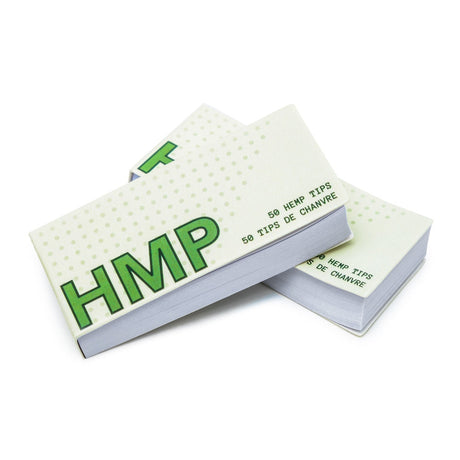
![Rolling Paper Tips - Pack of 50, featuring perforated edges for easy use, ideal for pairing with rolling papers. Each booklet contains 50 tips.]()
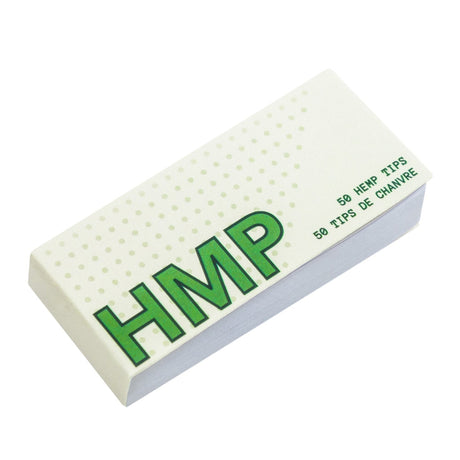
![HMP Tips-Turning Point Brands Canada]() Up to 39% off
Up to 39% off -
-
![Premium Stainless Steel Tray - Multicolor, featuring a sleek, metallic finish, raised edges, and dual funnel system for efficient, tidy herb preparation.]()
-
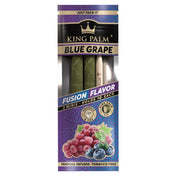
![Flavoured Filter Tips Display Box - 2 pack (Carton of 50) featuring King Palm logo and packaging, highlighting a popular smoking accessory with flavor-enhancing filter tips.]()
![Flavoured Filter Tips Display Box - 2 pack (Carton of 50), featuring King Palm logo, ideal for enhancing joints with flavor beads in corn husk filters.]()
![Flavoured Filter Tips Display Box - 2 pack (Carton of 50) featuring watermelon flavor, highlighting King Palm's natural corn husk filters with flavor bead activation.]()
-
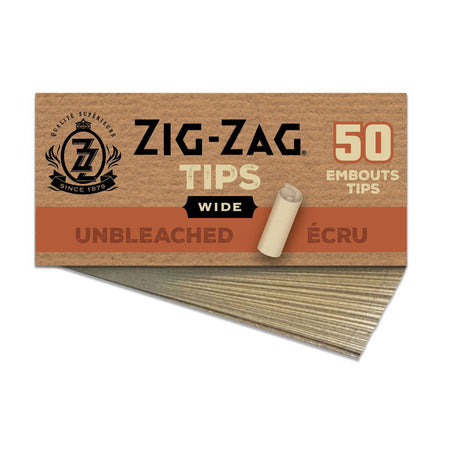
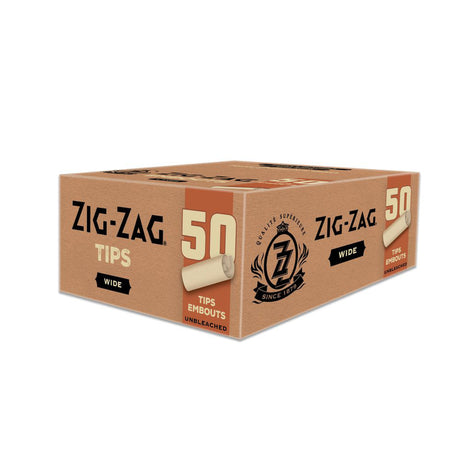
![Rolling Paper Tips - Unbleached Wide - Pack of 50 in a branded box, showcasing natural fiber tips for enhanced airflow and smoother smoking experience.]()
-
-
-
-
-
-
-
Buy 4 for $20 (4/20)
-
-
-
-
![Black Rolling Tips - Pack of 50 - Carton of 24, featuring a galaxy-themed box design, highlighting eco-friendly, durable rolling tips for enhanced smoking experiences.]()
-
![Cone Rolling Machine - Carton of 12: Retail box with star-field design, showcasing a versatile cone roller for King-Size and 1¼ cones. Perfect for quick, easy cone rolling.]()
-
![GET LOST dry-herb vaporizer kit includes a speckled vaporizer, base, packing tool, cleaning brush, hex key, metal piece, and USB charging cable.]()
-
![Bioplastic Cone Loader with helmet graphic and GET LOST banner, designed for sustainable, ergonomic use, enhancing efficiency in material preparation.]()
![Bright blue Bioplastic Cone Loader with narrow spout, wide mouth, and GET LOST graphic, designed for efficient material preparation and sustainable use.]()

![1 1/4 Rolling Machines 78 mm - Carton of 12; clear plastic device with dual rollers for efficiently packing and rolling tobacco, ensuring uniform results.]()
-
-
Sold out






Your Rolling Tips & Accessories Setup Matters More Than Your Rolling Technique
Most people blame their joints on their rolling skills, but a flimsy paper tip that collapses or a tray that sends herb everywhere is doing more damage than your fingers are. The tip material alone changes the whole experience: unbleached cardboard from Zig-Zag keeps things neutral, glass holds its shape and stays cool, and King Palm's flavoured corn husk filters add a pop of taste right at the draw. At Smoke & Vape, we carry the full range because the right filter for a quick solo smoke is a different call than what you'd reach for when you're packing cones with an electric filler. Get the setup right first, and the roll follows.
| Product | Best For | Why We'd Recommend It | One Thing to Know |
|---|---|---|---|
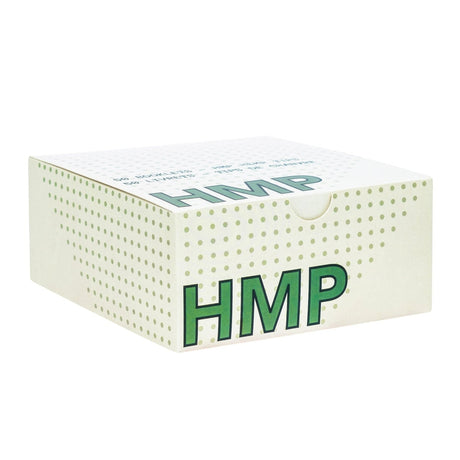
| HMP Rolling Paper Tips | Anyone who wants a clean, consistent tip without folding one from scratch every time | Perforated edges tear into a ready-to-roll tip without the guesswork of improvising from cardboard. | Cardboard material, so it won't hold its shape as long as glass or wood under heat. |
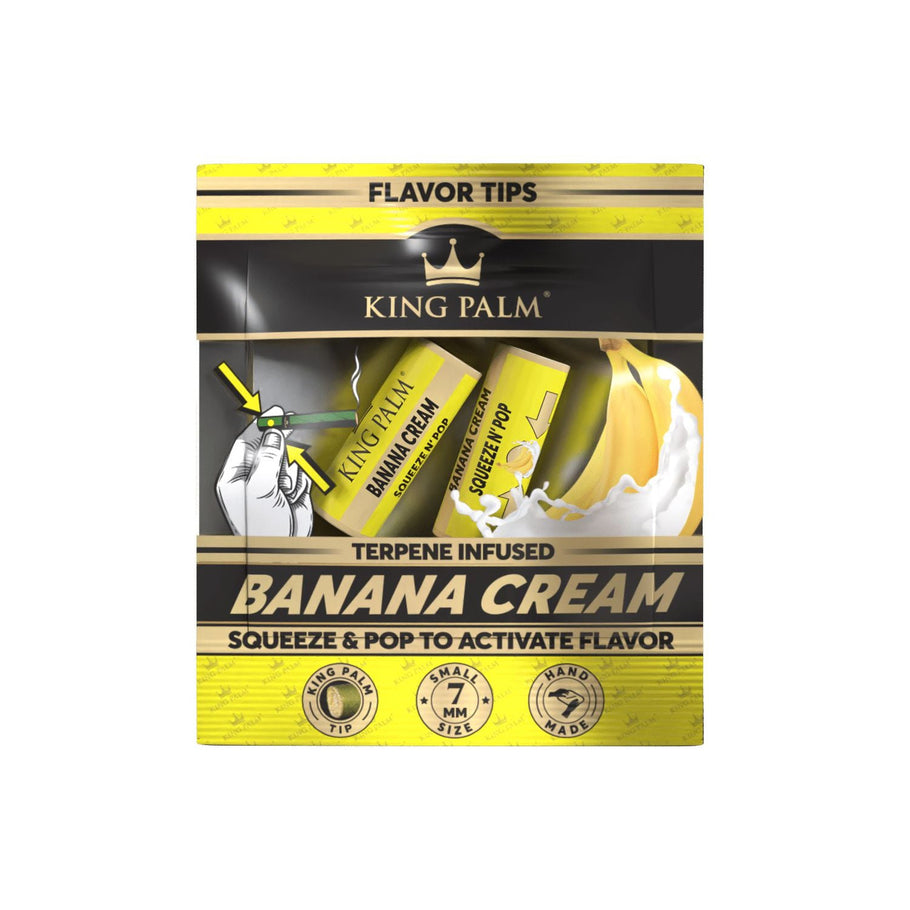 King Palm Flavoured Filter Tips |
Someone who wants a flavour hit at the draw without switching papers or wraps | Natural corn husk filters with flavour beads give you a taste pop right at the mouthpiece in four flavours. | The flavour is the whole point here, so if you want a neutral smoke, these aren't it. |
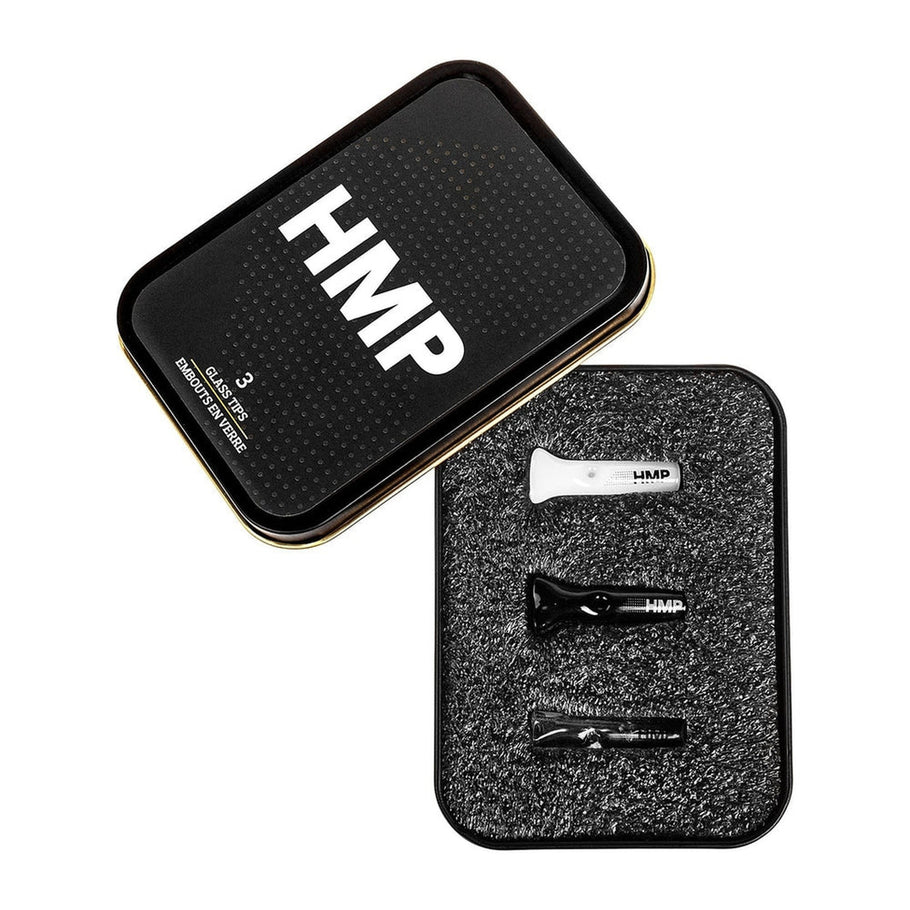 HMP Rolling Paper Tips - Glass |
Someone who wants a tip that won't compress, heat up, or need replacing after one use | Borosilicate glass holds its shape and stays reusable, so you're not tearing a new tip every session. | Pack of 3 only, so you'll want to keep track of them; they're easy to misplace. |
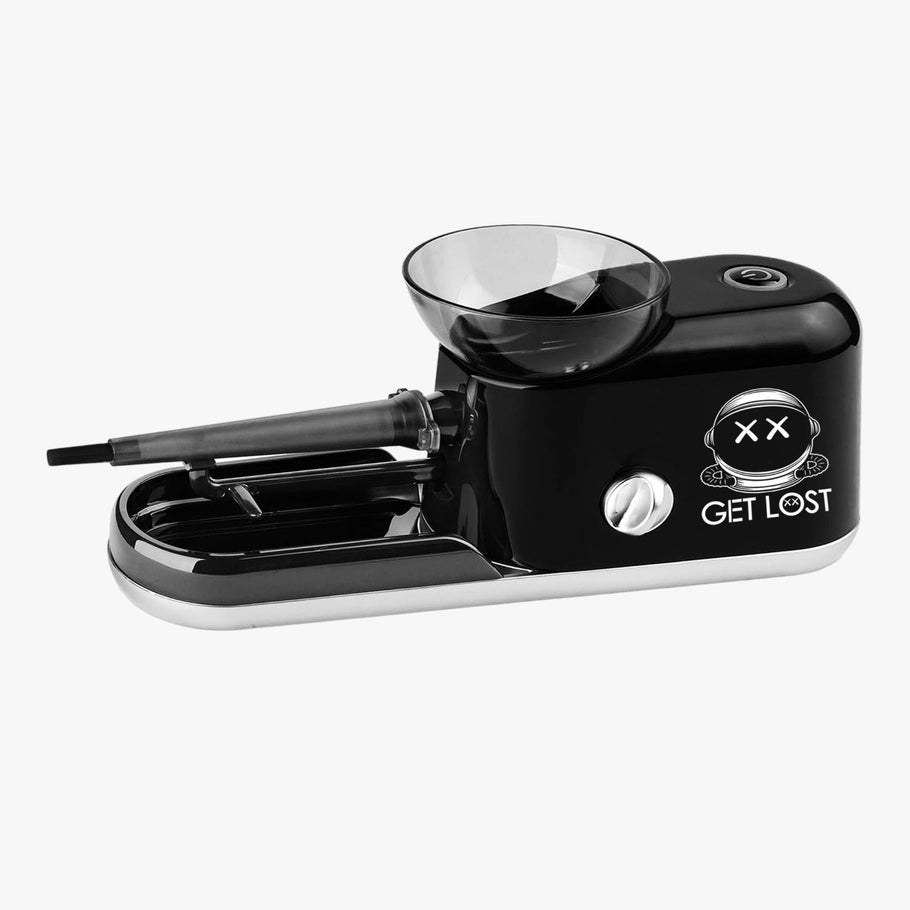 GET LOST Electric Pre Rolled Cone Filling Machine |
Someone packing multiple cones at once who doesn't want to do it by hand | Electric filling means you're loading cones faster and more consistently than any manual method. | It's a countertop machine, not something you'd pull out for a single cone on a casual night. |
 GET LOST Premium Stainless Steel Tray |
Anyone who wants a rolling surface that keeps herb contained and funnels it back cleanly | Raised edges and a dual pour-spout funnel system mean less herb lost to the table between rolls. | Stainless steel shows residue and buildup more visibly than a matte surface, so it needs regular wipes. |
Tip material is what splits most of these. Cardboard from HMP is the grab-and-go call, glass is the reusable upgrade for people who roll often, and King Palm's corn husk filters are their own category if flavour at the draw is what you're after. If you're packing volume, the GET LOST cone filler changes the whole workflow, and the steel tray pairs with any of them to keep your setup from spreading across the table.
What Rolling Tips & Accessories Actually Teach You About Airflow, Flavor, and Waste
The tip you roll with controls how open or restricted your draw feels, how much resin reaches your lips, and whether your joint holds its shape or collapses halfway through. This guide covers the mechanics behind those differences so you can judge any tip or accessory by what it actually does, not just what it's made of.
How Tip Diameter and Roll Tightness Change Your Airflow
The inner opening of your tip dictates how much air moves through the joint per draw. Roll a tip too narrow and you'll pull hard for thin, hot smoke. Too wide and the draw feels loose, letting the cherry burn faster than you can keep up with. Cardboard tips like the HMP Rolling Paper Tips - Glass give you control here because you set the diameter yourself as you roll them, but that also means inconsistency between sessions if your technique shifts. Zig-Zag's Unbleached Wide tips start wider than their Original size, which creates a more open channel before you even begin shaping. What catches people off guard is that the same herb, same paper, and same pack density will smoke noticeably different just from a couple millimeters of change in that inner opening.
Why Tip Width Affects Resin Buildup at the Mouthpiece
A wider tip doesn't just change airflow; it changes where resin collects. When smoke passes through a narrow channel, more of it contacts the tip walls, and that contact is where resin deposits. A wider opening means less surface contact per draw, so resin builds slower and you're less likely to get that sticky, harsh taste in the last third of a joint. Zig-Zag offers both Original and Wide sizes in their unbleached line for exactly this reason. Customers at Smoke & Vape often assume the wide tips are just for king size papers, but the real benefit is a cleaner draw that stays consistent from first light to the end.
What Happens When Heat Reaches Your Tip Material
Cardboard, wood, and glass all respond to heat differently, and that response matters more as the cherry burns down. Cardboard softens and can start to taste papery once heat gets close, which is why the last few puffs through a standard tip often taste off. Zig-Zag's Wood tips resist heat longer because wood is a natural insulator; it absorbs less warmth than processed cardboard and doesn't transfer it to your lips as fast. Glass, like the HMP borosilicate tips, doesn't degrade at all under heat, but glass conducts warmth more readily than wood, so it can feel warm to the touch on a short joint even though it won't break down. Knowing how each material handles heat helps you pick the right tip for how far you smoke your joints down.
Why Tray Design Determines How Much Herb You Lose Between Rolls
A flat surface seems fine until you realize how much ground herb migrates off the edges during a session. Raised walls solve part of that, but the real differentiator is how the tray moves herb back toward center. The GET LOST Premium Stainless Steel Tray uses a dual pour spout funnel system, which means the tray's edges angle inward so loose herb channels toward two collection points instead of sitting in corners you can't reach. The NWTN HOME Roseland Rolling Tray Set takes a different approach with its tray geometry and included accessories. Flat trays or book covers lose you a small amount every roll, and over weeks that adds up to real waste you'd never notice in the moment.
How Flavour Beads Work Inside a Filter Tip
King Palm's Flavoured Filter Tips use a small bead embedded inside a corn husk filter that you crush before smoking. That bead releases concentrated flavour oil into the filter material, and as you draw, the air passing through picks up that flavour and carries it into your mouth alongside the smoke. The flavour hits strongest in the first few draws because the oil is freshest, then tapers as the filter absorbs heat and resin. Crushing the bead too early (like hours before you smoke) lets the oil soak through and dissipate, which dulls the effect. If you've tried flavoured tips and found them underwhelming, the timing of that crush is almost always the issue, not the product itself.
Frequently Asked Questions
How do I clean a reusable glass rolling tip between sessions?
The quickest method is a soak in isopropyl alcohol, 90% concentration or higher. Drop your glass tip into a small container or zip-lock bag with enough alcohol to submerge it, and let it sit for 15 to 30 minutes. Resin softens in the alcohol, and because a glass tip is essentially a short, open tube, there's very little geometry for buildup to hide in. After soaking, run a pipe cleaner or cotton swab through the centre to clear anything that's still clinging, then rinse under warm water and let it air dry.
If you're smoking daily, a quick rinse after every session keeps things manageable. Just running hot water through the HMP Glass Tips right after use, before the resin has time to cool and harden, removes a surprising amount of residue on its own. The longer you wait between cleanings, the more stubborn that buildup becomes, and once it darkens and hardens inside the tube, you'll need a longer alcohol soak to break it loose.
One thing to avoid: don't use abrasive tools like metal picks or coarse salt inside a glass tip. Unlike a full pipe or bong, the walls of a rolling tip are thin and the opening is small enough that aggressive scrubbing can chip the edges. A soft pipe cleaner and alcohol are all you need. Borosilicate glass is durable, but the mouthpiece edge is the part that touches your lips, so keeping it smooth matters more here than on a bigger piece.
Do rolling tips filter out any harmful stuff, or are they just for structure?
Rolling tips aren't filters in the way a cigarette filter is. A standard cardboard tip, like the HMP Rolling Paper Tips - Glass or Zig-Zag Unbleached Original, is really a spacer that keeps the end of your joint open, prevents herb from pulling into your mouth, and gives your lips something to hold. It doesn't have the density or the material properties to trap tar or particulates the way a cotton or activated charcoal filter would.
That said, tips do reduce what reaches your mouth in a practical sense. Any physical barrier between the burning herb and your lips catches some amount of resin and ash. Wider tips, like the Zig-Zag Unbleached Wide, create a slightly larger channel that lets smoke cool a fraction more before it hits your tongue, which makes the draw feel less harsh even though the tip isn't chemically filtering anything. Wood tips from Zig-Zag absorb a small amount of moisture and resin into the wood grain, which can slightly mellow the last few draws compared to cardboard.
King Palm's Flavoured Filter Tips are closer to an actual filter than a standard cardboard tip. The corn husk material is denser than paper, so it catches more particulate along the way. You'll notice a corn husk filter looks noticeably darker after a session compared to a cardboard tip, which tells you it's intercepting more of what passes through. It's still not a medical grade filter, but if reducing harshness is a priority for you, a denser filter material does more work than a folded strip of cardboard.
What rolling accessories does a complete beginner actually need to start with?
You need three things to roll a joint: papers, tips, and ground herb. Everything else is a convenience upgrade. If you already have a grinder and papers, a pack of HMP Rolling Paper Tips - Glass is the simplest addition. The perforated edges let you tear off a tip and roll it into shape without measuring or cutting anything. That alone solves the two problems beginners run into most often: herb pulling through the mouthpiece, and the end of the joint collapsing when it gets damp.
A rolling tray is the next thing worth adding, and it's the one accessory beginners tend to skip until they've lost enough herb off the edge of a book or table to regret it. The GET LOST Premium Stainless Steel Tray keeps everything contained with raised edges and a dual pour spout system that funnels loose herb back to where you can actually use it. The NWTN HOME Roseland Rolling Tray Set is another option if you want a tray that comes with additional accessories built into the kit.
Beyond that, don't overcomplicate it. You don't need a rolling machine, a cone filler, or specialty tips on day one. Learn to roll with basic cardboard tips first, get comfortable with the motion, and then explore upgrades like Zig-Zag Wood tips or HMP Glass Tips once you know what you want out of your setup. Buying everything at once before you know your preferences usually means half of it sits unused.
Is a rolling machine worth it if I can already roll by hand?
If your hand rolls come out consistent and you enjoy the process, a rolling machine isn't going to change your life. The real value of a machine is consistency without effort, and that matters most for people who roll frequently or who want uniform results every time without thinking about it. If you're rolling a couple of joints for a weekend hike, your hands are fine. If you're prepping a dozen cones for a group session, a machine saves you real time.
Where machines genuinely shine is with pre-rolled cones. The GET LOST Electric Pre Rolled Cone Filling Machine isn't a traditional roller that shapes the paper for you; it fills cones that are already formed. That's a different workflow entirely. You load ground herb into the hopper, and the machine packs it into cones evenly and quickly. For someone who buys pre-rolled cones in bulk, this takes a repetitive manual task and automates it. Hand packing cones one at a time with a poker works, but it's slow and the density varies from cone to cone.
The honest tradeoff is this: rolling by hand gives you more control over how each joint feels, how the paper wraps, and how the pack density sits. A machine gives you speed and uniformity. If you take pride in the craft of rolling and each one comes out the way you want, a machine is a lateral move at best. But if rolling feels like a chore that stands between you and smoking, or if you're producing volume, the machine earns its place quickly.
How long does a reusable rolling tip typically last before it needs replacing?
Glass tips, like the HMP Rolling Paper Tips - Glass in borosilicate glass, don't wear out from normal use. Borosilicate is heat resistant and chemically inert, so smoke and resin don't degrade the material the way they would with plastic or thin glass. The realistic lifespan of a glass tip comes down to whether you drop it or lose it, not whether it wears down. With regular cleaning, a single glass tip can last you months or even years of daily use.
Wood tips occupy a middle ground. Zig-Zag's Wood tips are designed for reuse, but wood is porous. Over time, resin soaks into the grain and becomes harder to fully remove, which gradually changes the flavour of your draw. You'll notice this as a slight staleness that persists even after cleaning. Depending on how often you smoke and how thoroughly you clean them, wood tips tend to stay pleasant for a few weeks to a couple of months of regular rotation before they start tasting off.
Cardboard tips from HMP or Zig-Zag are single use by design. The perforated cardboard softens from moisture and heat during a session, and by the time you're done, the tip has served its purpose. Trying to reuse a cardboard tip from a previous joint usually means a soggy, compressed mouthpiece that doesn't hold its shape. At that point, tearing a fresh one from the booklet takes two seconds and gives you a better result every time.
Can I use the same tips with different sizes of rolling papers?
Cardboard tips are the most flexible here because you control the diameter when you roll them. A single strip from an HMP Rolling Paper Tips booklet works with single wide, 1 1/4, and king size papers. You just adjust how loosely or densely you coil the strip. For narrower papers, roll the tip with more overlap so the outer diameter stays small. For king size, let the coil open up a bit so the tip matches the wider paper. The Zig-Zag Unbleached Original tips work the same way, and their Wide version gives you a taller strip that naturally suits larger format papers without needing to stack two tips together.
Glass tips are a different story. The HMP Rolling Paper Tips - Glass come in a fixed diameter, and that diameter works well with standard and king size papers but can feel oversized if you're rolling with slim or single wide sheets. You can make it work by wrapping the paper around the glass and sealing it, but the proportions won't look or feel as natural as they would with a king size cone. If you mostly roll one size, glass tips are great. If you switch between sizes regularly, cardboard gives you more versatility per session.
King Palm's King Palm Flavoured Filter Tips are sized for their own wraps but also fit comfortably into most standard and king size rolling papers. The corn husk filter has a fixed diameter similar to a loosely rolled cardboard tip, so it slots into the end of a joint the same way. Just keep in mind that the flavour bead is the reason you're using these, so pairing them with a paper that has its own flavour or a heavy wrap can muddy the taste.
What is a cone loader, and how is it different from a rolling machine?
A cone loader fills pre-rolled cones that are already shaped. You're not forming the paper or tucking anything; the cone is done, and your job is just to pack herb into it. The GET LOST Electric Pre Rolled Cone Filling Machine is a powered version of this concept. You load ground herb into a hopper, place your cones, and the machine distributes and packs the herb evenly. It's designed for volume, so if you're filling five or ten cones in one sitting, this is where it pays off. Manual cone loaders exist too, typically a funnel and a packing stick, and they do the same thing on a smaller scale without electricity.
A rolling machine is fundamentally different because it shapes the paper itself. You place a paper and a tip into the roller, add herb, and the machine tucks and rolls the paper into a finished joint. The output is a hand rolled style joint, not a cone. Rolling machines are compact, usually pocket sized, and they're aimed at people who want one joint at a time without learning the manual technique.
The choice between them comes down to your preferred format. If you buy pre-rolled cones and want to fill them efficiently, a cone loader is the right tool. If you prefer the shape and feel of a hand rolled joint but don't want to do the rolling yourself, a machine handles that. They're solving different problems, and owning both doesn't create redundancy if you use cones sometimes and roll from flat papers other times.